Forklift safety matters in warehouses because accidents can have serious consequences. Knowing OSHA rules helps keep your workplace safe. This article outlines key OSHA forklift standards, why operator training matters, and practical steps to prevent accidents. Addressing these areas lowers injury risk and keeps you compliant. We also cover a forklift safety checklist and how training reduces common hazards.

What Are the Key OSHA Forklift Safety Standards for Warehouses?

OSHA standards protect workers from the risks of operating forklifts in warehouses. They cover operator certification, equipment safety, and daily inspection requirements. Following these rules improves workplace safety and reduces employer liability. Understanding these regulations is essential to running a safe warehouse.

Understanding OSHA Forklift Certification Requirements

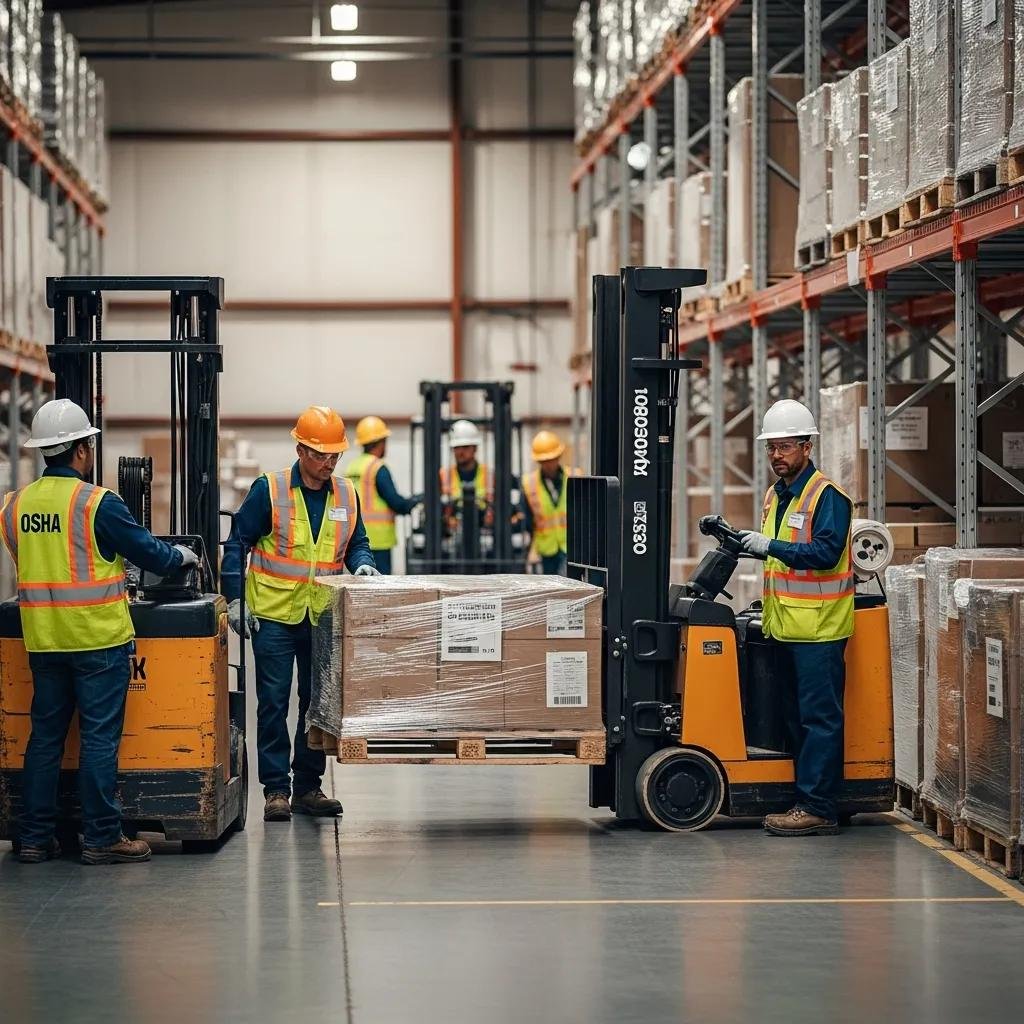
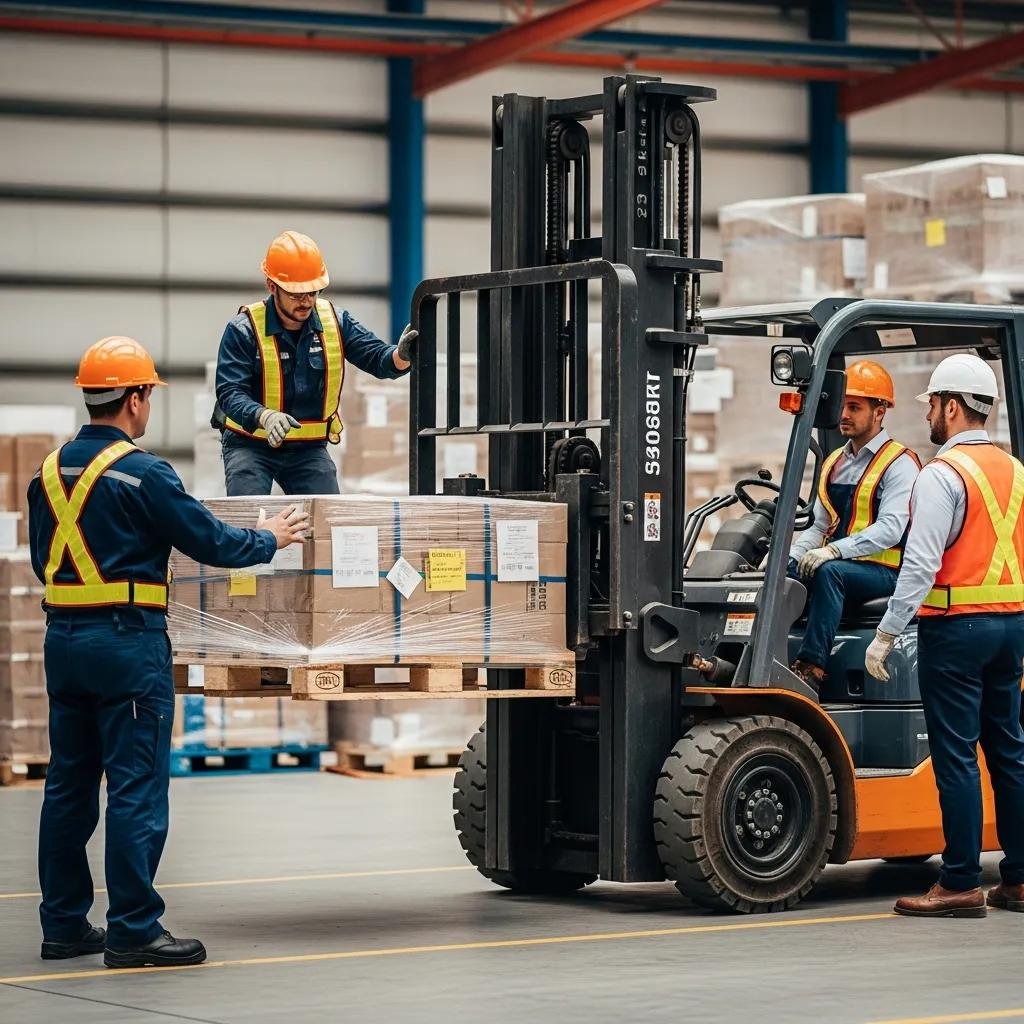
Forklift training session highlighting safety education and operator certification

To operate a forklift legally, workers need proper training and certification. OSHA requires both classroom instruction and hands-on practice. Training covers safety protocols, equipment handling, and emergency procedures. Regular retraining keeps operators current with practices and any equipment changes.

Warehouse Equipment Safety Standards and Compliance

Warehouse equipment must meet safety standards to operate safely. OSHA requires regular inspections and maintenance to avoid mechanical failures. Safety features such as seat belts, lights, and alarms must function correctly. Employers should train staff to use safety equipment and enforce protocols consistently.

How Can Forklift Operator Training Prevent Accidents?

Effective operator training is a core way to prevent accidents. When operators have the right skills, they recognise hazards sooner and respond correctly. Training should cover safety rules, hazard detection, and emergency responses.

Research reinforces the vital role of comprehensive training in reducing the risks tied to forklift operations.

Forklift Safety & Training in Warehouse Operations

This paper examines the challenges warehouses face meeting customer demand and rapid growth, with a focus on forklift operators. Forklifts are versatile and essential, but they pose significant safety concerns, with thousands of work-related injuries and fatalities each year. The literature review covers factors tied to operator safety and efficiency, including energy consumption, training, the Internet of Things, ergonomics, and human factors like worker fatigue. The study aims to build a methodological framework that integrates these factors to improve operator efficiency and safety. The research questions focus on techniques to measure forklift operator safety and productivity. The paper highlights the need to prioritise preventative measures such as training, facility layout, and technological advances.

Forklift operator safety & productivity: A review of current research and future directions, A Sharotry, 2023

Components of Effective Forklift Operator Training Programs

An effective training program starts with clear instruction on safety protocols. Include focused hazard-recognition training so operators can spot risks in the workspace. Finish with scheduled refresher courses to keep skills sharp and safety top of mind.

Common Forklift Hazards and How Training Addresses Them

Forklifts create hazards such as collisions, slips, and trips. Training teaches operators to navigate crowded aisles and handle loads correctly. Operators learn to maintain visibility and use spotters when needed. Understanding hazards and the right responses reduces accident rates.

What Should a Warehouse Forklift Safety Checklist Include?

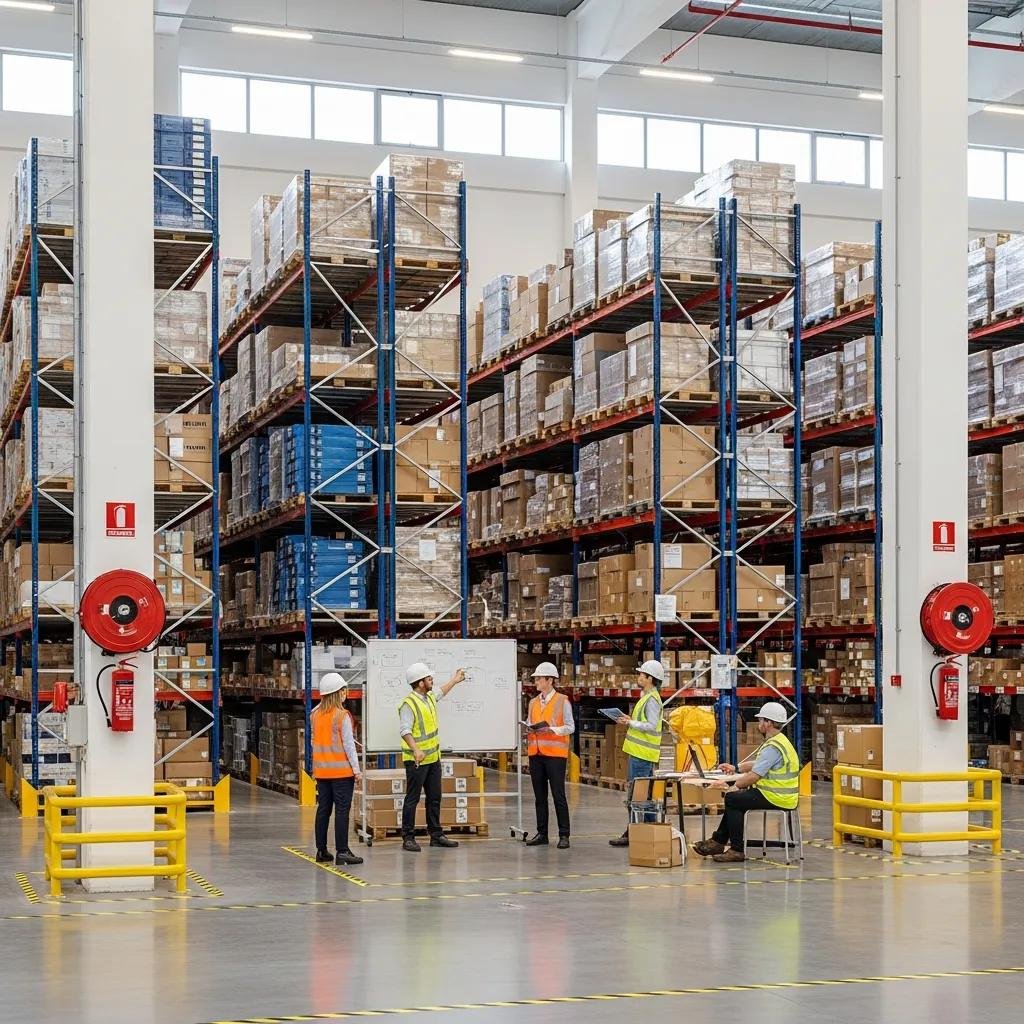
Safety checklist review in a warehouse emphasizing compliance and safety measures

A thorough forklift safety checklist ensures protocols are followed. Include operator certification, daily inspection logs, and safety-equipment checks. Regular reviews keep you compliant with OSHA and help build a safety-first culture.

Daily and Pre-Operation Safety Inspection Items

Daily and pre-operation inspections catch issues before they cause accidents. Key items to check include:

  1. Forklift Condition : Inspect for any visible damage or mechanical issues.
  2. Safety Equipment : Ensure that seat belts, lights, and alarms are functioning properly.
  3. Load Capacity : Verify that the load does not exceed the forklift’s rated capacity.

These checks confirm forklifts are safe to operate and ready for use.

Using Safety Checklists to Ensure OSHA Compliance

Safety checklists support OSHA compliance by documenting daily inspections and checks. Records demonstrate your commitment to safety and are vital during audits. Keeping checklists current helps ensure protocols are followed consistently and can reduce liability.

Which Strategies Are Most Effective for Forklift Accident Prevention?

The most effective strategies combine strong operator training with rigorous equipment maintenance to form a comprehensive safety programme.

Implementing Safety Audits and Regular Equipment Maintenance

Regular safety audits help you identify hazards proactively. Audits should verify OSHA compliance and test how well safety protocols work. A centralised maintenance program keeps forklifts serviced and inspected, lowering the chance of mechanical failure.

Emergency Procedures and Response in Warehouse Settings

Clear emergency procedures are essential for effective accident response. Train employees on evacuation plans, fire safety, and first aid. Regular drills reinforce procedures so staff act quickly and correctly. Being prepared reduces the impact of incidents.

Quantum Warehouse Solutions offers comprehensive warehouse safety services, including consultation, equipment solutions, and training programs that focus on OSHA forklift safety compliance. Working with experts can help you strengthen protocols and create a safer workplace for everyone.

Frequently Asked Questions

What are the consequences of not following OSHA forklift safety standards?

Not following OSHA standards can result in workplace accidents, injuries, and fatalities. Employers may face fines, legal liability, higher insurance costs, and reputational damage. Compliance protects employees and helps safeguard the organisation financially and legally.

How often should forklift operators undergo training and certification?

OSHA recommends training and certification at least every three years. Retraining is also required after workplace or equipment changes or if an operator shows unsafe behaviour. Regular refreshers reinforce protocols and keep operators up to date.

What types of safety equipment should be used in conjunction with forklifts?

Use personal protective equipment such as hard hats, safety shoes, and high-visibility vests. Forklifts should have seat belts, horns, lights, and backup alarms. In busy areas, use spotters. Proper training on equipment use is essential to make it effective.

What role do safety audits play in forklift operations?

Safety audits identify hazards and verify OSHA compliance in forklift operations. They reveal where protocols need improvement so you can update training and reduce risk. Regular audits show a commitment to employee safety and help prevent accidents.

How can technology improve forklift safety in warehouses?

Technology improves safety through collision-detection systems, telematics, and automated alerts. These tools monitor operations in real time and provide data on operator behaviour and equipment performance. Training simulators let operators practise realistic scenarios safely. Integrating technology reduces accidents and improves efficiency.

What should be included in a forklift safety training program?

A complete training program covers theory and hands-on skills. Include safety protocols, hazard recognition, load-handling techniques, and emergency response. Cover the specific forklift types used and their limits. Add regular assessments and refreshers to keep operators competent.

What are the best practices for maintaining forklifts to ensure safety?

Best practices include regular inspections, a scheduled maintenance programme, and detailed maintenance records. Operators should do daily pre-operation checks for visible damage. Ensure lights, alarms, and seat belts work. Prioritising maintenance prevents failures and improves safety.

Conclusion

Prioritizing forklift safety protects employees and ensures OSHA compliance. With effective training and regular safety audits, organisations can reduce accidents and improve operational efficiency. Following standards safeguards workers and lowers employer liability. Take the next step toward a safer workplace by exploring our comprehensive safety training solutions today.