Clear incident reporting and reliable recordkeeping keep warehouses compliant with OSHA, reduce workplace risk, and help prevent repeat incidents. This article outlines OSHA requirements, practical reporting steps, recordkeeping best practices, and the role of safety audits.

What Are OSHA Requirements for Warehouse Incident Reporting?

OSHA requires timely reporting, documentation, and follow-up so hazards are addressed and workers protected. Non-compliance can lead to fines and higher accident risk, so understanding these rules helps operators maintain a safer workplace.

Understanding OSHA citation impacts helps warehouses build stronger safety protocols.

OSHA Citations & Effective Warehouse Safety

A review of OSHA citations for warehousing and storage highlights key elements for monitoring and enforcing safety policies among employees. It serves as a guide to core components of an effective safety programme.

Warehousing & storage safety, 2010

Which Records Must Warehouses Keep for Safety Compliance?

Warehouses must keep several core records to meet OSHA standards. These documents prove compliance and support incident analysis.

  • Safety Protocols : Documentation of safety measures, including emergency procedures and equipment maintenance.
  • Employee Training Records : Evidence that all employees have been trained on safety protocols and operational procedures.
  • Inspection Reports : Records of regular safety audits and inspections, including findings and corrective actions taken.
  • Equipment Maintenance Logs : Documentation showing that all warehouse equipment meets safety standards and is properly maintained.
  • Hazardous Material Handling Records : Proper labeling and documentation of hazardous materials, including safety data sheets.
  • Permit Documentation : Records of any required permits, such as high pile storage permits, ensuring compliance with local regulations.

Keeping these records is essential to show compliance and protect everyone on site.

How Long Should OSHA Logs Be Retained?

Keep OSHA logs for at least five years after the end of the calendar year in which the incident occurred to support reviews, trend analysis and inspections.

How to Follow Warehouse Incident Reporting Procedures Effectively?

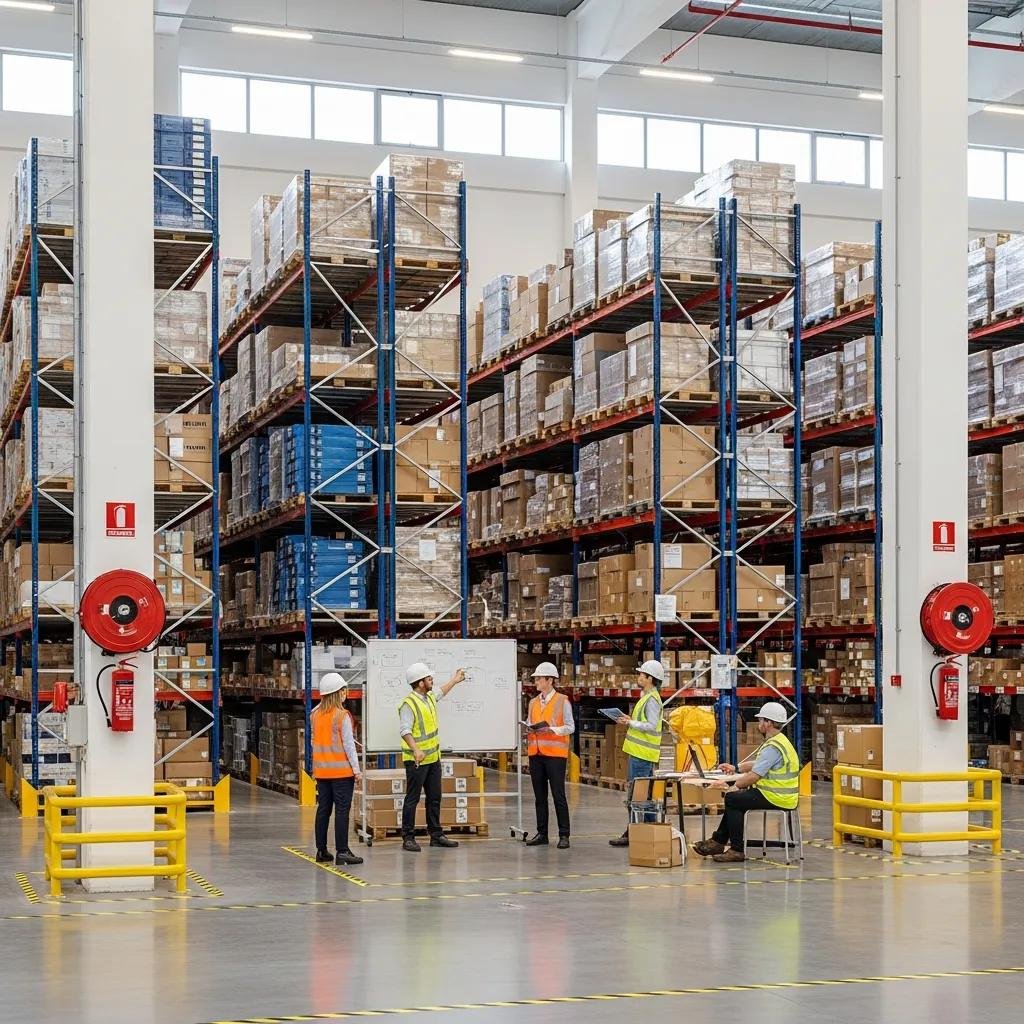
Warehouse supervisor explaining incident reporting procedures to employees

Practical reporting procedures ensure incidents are recorded and acted on quickly. Clear steps reduce incident impact and improve overall safety.

What Are the Step-by-Step Incident Reporting Workflows?

A structured incident reporting workflow typically includes the following steps:

  1. Immediate Reporting : Employees must report incidents to supervisors immediately to ensure timely response and documentation.
  2. Documentation Requirements : Complete detailed incident reports noting time, location, people involved and a clear description of events.
  3. Follow-Up Actions : Take corrective actions and track outcomes to prevent repeat incidents.

These steps help manage incidents consistently and improve safety over time.

Which Common Warehouse Accident Reporting Procedures Should Be Used?

Common reporting procedures include standard forms, formal investigations and clear communication of outcomes.

  • Incident Reporting Forms : Standardized forms should be used to document incidents consistently.
  • Investigation Protocols : A designated team should investigate incidents to determine root causes and recommend corrective actions.
  • Communication of Findings : Results of investigations should be communicated to all employees to raise awareness and prevent similar incidents.

These steps build a culture of safety and accountability across the warehouse.

Practical guides and templates often provide the forms and instructions needed to meet these rules.

OSHA Regulations & Warehouse Safety Forms

This guide covers warehouse safety from A to Z, explains OSHA requirements and includes a variety of practical forms to assist implementation.

Warehouse safety: a practical guide to preventing warehouse incidents and injuries, 1999

What Are Best Practices for Warehouse Safety Recordkeeping?

Accurate, complete safety records support compliance and faster incident response. Good recordkeeping makes investigations and continuous improvement possible.

How to Manage Warehouse Incident Logs Efficiently?

Manage incident logs efficiently by using digital tools, updating records promptly and keeping audit trails of changes.

  • Digital Tools : Utilizing safety recordkeeping software can streamline the documentation process and improve accessibility.
  • Regular Updates : Logs should be updated promptly after incidents to ensure accuracy and completeness.
  • Audit Trails : Maintaining an audit trail of changes to incident logs can help track modifications and ensure accountability.

These practices make recordkeeping more organised and reliable.

What Digital Tools Improve Warehouse Safety Recordkeeping?

Digital tools that help include safety management platforms, mobile reporting apps and secure cloud storage.

  • Safety Management Software : These platforms provide comprehensive solutions for incident reporting, tracking, and analysis.
  • Mobile Applications : Mobile apps allow employees to report incidents in real-time, improving response times and documentation accuracy.
  • Cloud Storage Solutions : Storing records in the cloud ensures that they are easily accessible and secure, facilitating compliance and audits.

Using technology improves record accuracy, speeds responses and simplifies audits.

How to Conduct Warehouse Safety Audits and Inspections?

Regular audits and inspections catch hazards early and confirm compliance with OSHA rules. They are key to a safer workplace.

What Should a Warehouse Safety Audit Checklist Include?

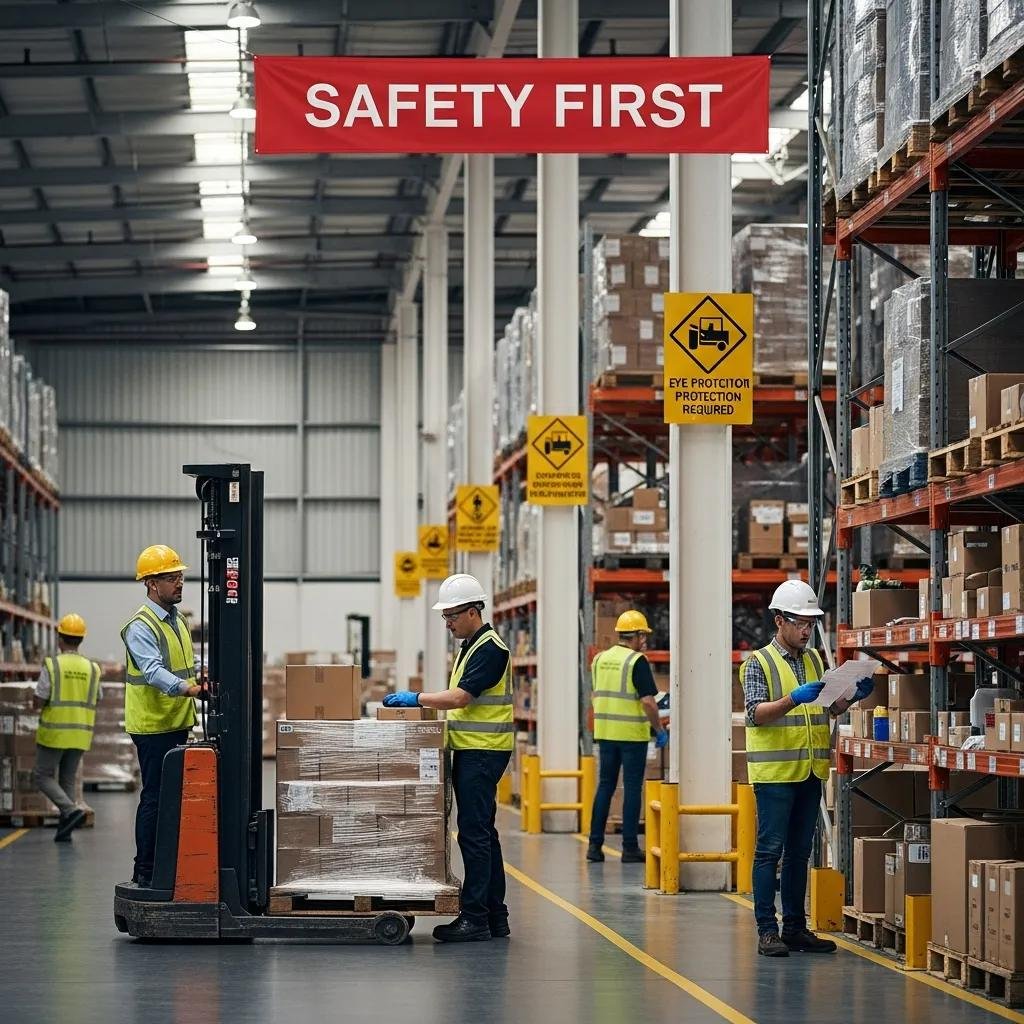
Safety officer reviewing a checklist during a warehouse safety audit

A comprehensive safety audit checklist should include the following items:

  • Personal Protective Equipment (PPE) : Ensure that all employees have access to and are using appropriate PPE.
  • Emergency Exits : Verify that emergency exits are clearly marked and accessible.
  • Equipment Safety : Check that all equipment is in good working condition and properly maintained.
  • Hazardous Material Storage : Review the storage and labeling of hazardous materials to ensure compliance with safety standards.

A checklist ensures auditors review every critical area consistently.

How Do Safety Audits Enhance Compliance and Reduce Incidents?

Safety audits improve compliance and lower incident rates by finding hazards, guiding training and promoting accountability.

  • Identifying Hazards : Regular audits help identify potential hazards before they result in incidents.
  • Improving Training : Findings from audits can inform training programs, ensuring that employees are aware of safety protocols.
  • Promoting Accountability : Audits foster a culture of accountability, encouraging employees to prioritize safety in their daily operations.

Thorough audits help warehouses boost safety performance and stay aligned with OSHA requirements.

Emerging tech like virtual reality is becoming a useful tool for training and audit simulations.

VR for Warehouse Safety Training & Auditing

Research observations show gaps in current safety practices and training. Semi-structured interviews and discussions indicate that VR training can enhance safety skills, improve auditing capabilities and encourage proactive risk management.

Virtual reality safety training and auditing in warehouse environments: AHP and critical thinking approach, A Al-Hamad, 2025

To ensure comprehensive warehouse solutions , consider services that optimise operations and strengthen safety.

Frequently Asked Questions

What are the consequences of failing to comply with OSHA incident reporting requirements?

Failing to meet OSHA reporting rules can result in fines, legal exposure and increased regulatory scrutiny. It also raises accident risk, damages morale and reputation, and complicates hiring. Staying compliant protects employees and the business.

How can warehouses improve employee awareness of safety protocols?

Raise awareness with regular training, toolbox talks and clear safety communications. Use posters, involve staff in audits and hazard reporting, and consider incentives for safe behaviour.

What role do safety audits play in incident prevention?

Audits find hazards, uncover unsafe practices and equipment faults, and guide corrective actions. Findings shape training and controls to reduce incidents and build a culture of accountability.

How can technology enhance incident reporting in warehouses?

Technology speeds reporting and improves data quality. Mobile apps and safety platforms enable real-time reports, trend analysis and easier record access; cloud storage keeps records secure for audits.

What are the best practices for maintaining safety records?

Best practices include updating records promptly, ensuring accuracy, and storing them securely. Digital tools streamline filing and retrieval. Regular reviews of records reveal trends and inform training and safety improvements.

How often should safety audits be conducted in warehouses?

Conduct audits regularly — commonly quarterly — and after major incidents or operational changes. Adjust frequency based on warehouse size, operations and risk level.

Conclusion

Strong incident reporting and thorough recordkeeping are vital for OSHA compliance and a safer warehouse. Accurate records, clear procedures and regular audits cut risk, protect workers and improve operational efficiency. Use the available resources to strengthen your safety programme today.