Table of Contents
ToggleWarehouse Rules and Regulations 2026: Essential Safety Standards and Compliance Requirements
Warehouses are evolving with modern logistics. In 2026, complying with safety rules is both a legal duty and a way to keep operations efficient and staff safe. This guide summarizes key OSHA, fire-safety, and health compliance requirements and provides a practical inspection checklist to reduce risk and support productivity.
What Are the Key OSHA Warehouse Regulations to Follow in 2026?
The Occupational Safety and Health Administration (OSHA) publishes the standards warehouses must follow to protect workers: forklift operation certification, walking-working-surface rules, and PPE requirements are among the essentials. Compliance reduces workplace hazards and legal exposure.
For example, OSHA requires forklifts be operated by trained, certified staff to lower accident risk. Keeping aisles clear and lighting adequate prevents slips, trips, and falls, which in turn supports productivity and morale.
Quantum Warehouse Solutions offers compliance consulting, regulatory audits, staff training, and layout recommendations to help warehouses meet 2026 standards.
How Do OSHA Standards Impact Warehouse Safety Compliance?
OSHA standards establish clear practices that prevent accidents and keep operations running. A strong safety framework promotes worker engagement with safety protocols and can reduce costs via fewer injuries and lower insurance claims.
What Are the Penalties for Non-Compliance with OSHA in Warehouses?
Failure to meet OSHA rules can result in fines, legal action, and increased regulatory scrutiny. Missing required training, such as for forklift operators, often leads to escalating penalties and a higher risk of preventable incidents. Prioritising compliance protects staff and the business.
Which Warehouse Fire Safety Rules Must Be Implemented in 2026?
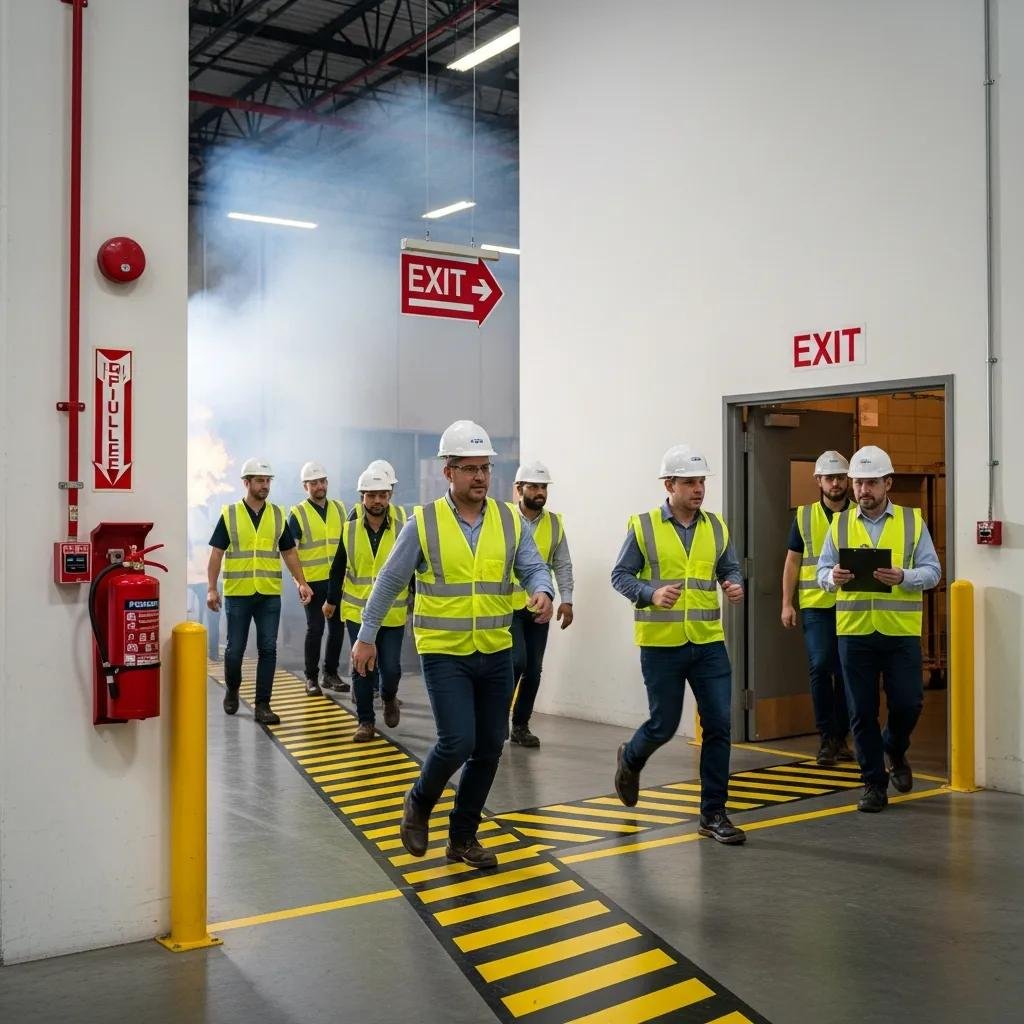
Fire safety remains central to warehouse operations. In 2026, facilities should run regular inspections of suppression systems and extinguishers, train staff on evacuation and response, and keep documented emergency procedures accessible.
Regular checks of alarms and suppression systems are essential; staff training on evacuation and emergency actions further reduces injury risk.
Emerging technologies are being explored to strengthen fire safety in complex warehouse settings.
Automatic Fire-Fighting Robots for Warehouse Safety
Warehouses and storage facilities are especially vulnerable to fires because of flammable materials and dense storage layouts. Traditional detection and suppression systems can be limited by delayed responses and restricted access to fire sources. The study outlines the design and development of an automatic fire-fighting robot built for warehouses and storage facilities.
Automatic Fire-Fighting Robot for Warehouses & Storages, S Bhise, 2025
The role of consulting services in fire-safety planning is valuable: experts identify hazards and implement practical controls to reduce risk and ensure readiness for inspections.
What Are the Required Fire Prevention and Emergency Procedures?
Required steps include scheduled fire drills, clear evacuation routes, and ensuring staff know emergency protocols. Maintaining written, accessible emergency plans supports effective responses and audit readiness.
How to Maintain Fire Safety Equipment According to 2026 Standards?
Maintain extinguishers, alarms, sprinklers, and suppression systems per manufacturer guidance, local codes, and industry best practices. Regular inspections and documented maintenance schedules help demonstrate compliance.
Train staff on using fire equipment and reacting to alarms so everyone can act quickly and safely during incidents.
How to Ensure Warehouse Health Compliance and Environmental Safety?
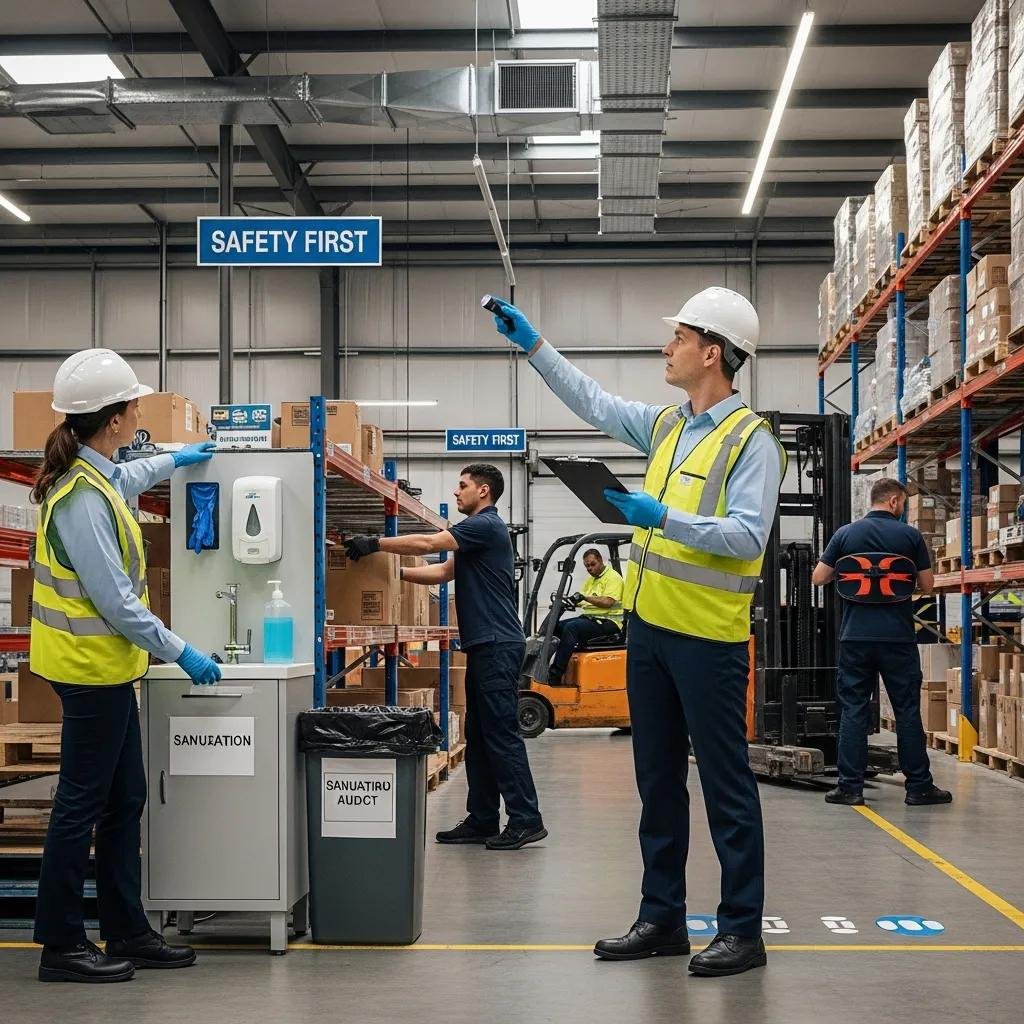
Health and environmental safety require adequate ventilation, sanitation, and ergonomic practices. These measures protect workers from respiratory, contamination, and musculoskeletal hazards.
Regular audits identify health risks and verify adherence to regulations; acting on findings improves conditions and reduces liability.
What Are the Health Regulations Affecting Warehouse Operations?
Health regulations address ventilation, sanitation, and ergonomics to protect worker well‑being. Warehouses should apply ergonomic controls and documented sanitation practices to lower injury and illness rates.
How to Manage Hazard Communication and Environmental Risks?
Provide up-to-date safety data sheets (SDS), clear communication protocols, and training so staff recognise and respond to chemical and material risks. Regular audits help close gaps in hazard communication and environmental controls.
What Should a Comprehensive Warehouse Inspection Checklist Include for 2026?
A practical checklist covers documentation, safety equipment availability, emergency procedures, and operational controls. Systematic reviews allow operators to correct gaps before they cause incidents.
How Often Should Warehouse Safety Audits Be Conducted?
Conduct annual full audits with quarterly spot checks and more frequent reviews for high‑risk areas. Regular audits maintain compliance and catch hazards early.
To support audits and training, consider safety training programs tailored to your operations.
What Are the Critical Items to Review in a Warehouse Safety Audit?
Audits should prioritise PPE use, fire systems, emergency documentation, and hazard communication to ensure immediate worker safety and regulatory compliance.
- PPE Verification : Confirm employees have access to and use appropriate personal protective equipment.
- Fire Safety Systems Inspection : Verify fire alarms, extinguishers, and sprinklers are operational and maintained.
- Emergency Procedures Documentation : Ensure emergency plans are documented, accessible, and practised.
Focusing on these items helps operators improve safety, maintain compliance, and reinforce accountability among staff.
Frequently Asked Questions
What training is required for warehouse employees to ensure safety compliance?
Provide forklift certification, emergency response training, PPE instruction, and regular drills. OSHA requires formal forklift training and documentation of ongoing competency.
How can technology improve warehouse safety and compliance?
Technology reduces human error and speeds response: inventory controls, safety-monitoring systems, wearable devices, and advanced detection improve situational awareness and emergency handling.
What are the best practices for maintaining warehouse cleanliness and sanitation?
Keep a cleaning schedule, use approved agents, separate food areas, manage waste, and inspect hygiene practices regularly to limit contamination and illness.
What role do safety audits play in warehouse operations?
Audits reveal gaps, test controls, and guide corrective actions. Regular records support compliance and strengthen the safety culture.
How can warehouses prepare for emergency situations effectively?
Maintain clear emergency plans, run drills, label evacuation routes, and keep safety equipment accessible. Regular reviews keep plans current and staff prepared.
What are the implications of failing to comply with warehouse regulations?
Non-compliance can bring fines, legal exposure, operational disruption, reputational harm, and higher insurance costs. Compliance protects employees and organisational viability.
Conclusion
Adhering to OSHA, fire-safety, and health regulations is essential for safe, compliant, and efficient warehouse operations in 2026. Proactive audits, training, and maintenance reduce risk and build a resilient safety culture. For tailored support, consider professional consulting services.