Table of Contents
ToggleEngineered Warehouse Solutions: Understanding What "Engineered" Really Means
Engineered warehouse solutions apply engineering principles to improve efficiency and safety. Tailored to client needs, they ensure regulatory compliance and optimize space and workflow. This article outlines the core components of engineered designs, how they strengthen structures and safety, the benefits of layout optimization, and the role of consultation in creating custom solutions. Understanding these elements helps warehouse owners and operators make informed choices that boost performance and safety.
What Defines Engineered Warehouse Solutions?
Engineered warehouse solutions begin with a detailed analysis of operational needs, structural requirements, and regulatory standards. The design process prioritizes functionality and compliance so each area of the warehouse is optimized for productivity and safety.
Quantum Warehouse Solutions specializes in customized warehouse design, compliance, and operational efficiency, delivering client-focused solutions for common challenges warehouse operators face.
Key Components of Engineered Warehouse Design
Key components include structural analysis, fire protection engineering, and compliance with local regulations. Together these elements keep the facility safe and efficient.
- Structural Analysis: Evaluating load capacities and structural integrity to ensure the building supports intended operations.
- Fire Protection Engineering: Implementing fire safety systems and plans that protect people, inventory, and infrastructure.
- Compliance with Local Regulations: Meeting local building codes and safety rules to avoid legal issues and maintain safe operations.
How Engineered Solutions Enhance Warehouse Structural Integrity
Engineered solutions improve structural integrity by assessing loads, producing stamped drawings, and coordinating engineering with installation teams. These coordinated steps ensure components work together and the building withstands daily operational stresses.
How Do Engineered Solutions Ensure Warehouse Safety Standards?
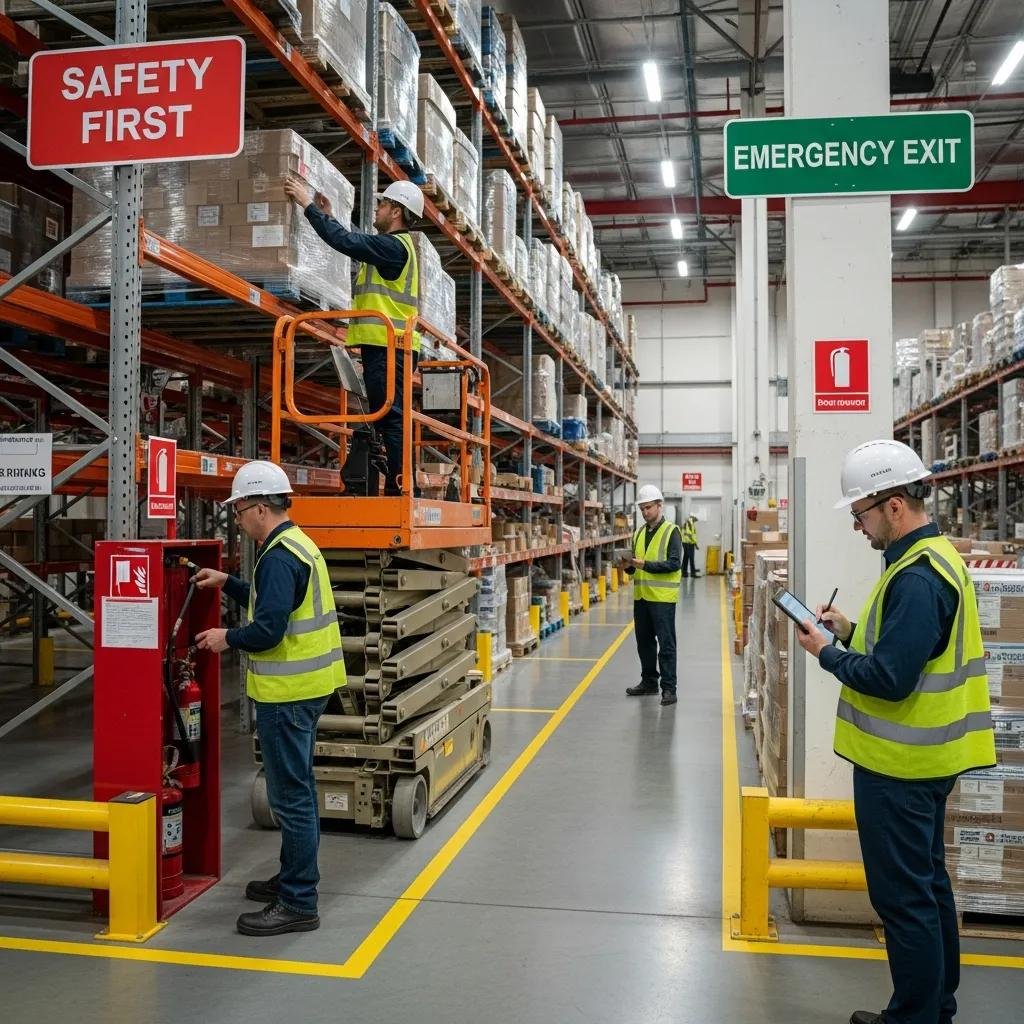
Meeting safety standards requires a multi-pronged approach: regulatory compliance, scheduled inspections, and clear employee training. Combined, these measures reduce risk and raise operational safety across the facility.
Warehouse Compliance and Risk Management Practices
Effective risk management—regular compliance audits, up-to-date documentation, and expert reviews—helps spot hazards and apply corrective actions quickly. This proactive approach strengthens safety and builds accountability among staff.
Common Safety Regulations in Engineered Warehouse Systems
Common rules address forklift certification and maintenance, racking system standards, and unobstructed emergency exits. Knowing and applying these regulations protects workers and keeps facilities compliant.
What Are the Benefits of Warehouse Layout Optimization in Engineered Designs?
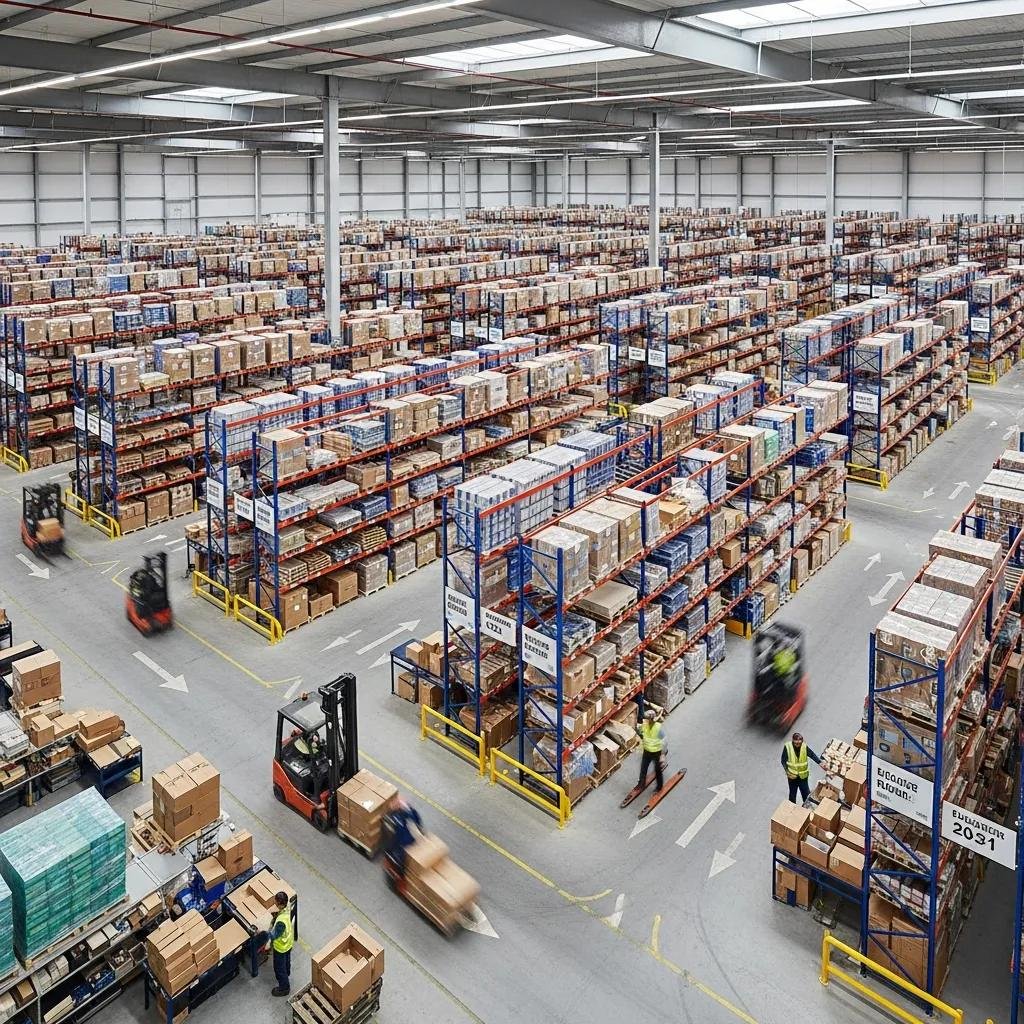
Optimized warehouse layouts increase space utilization, improve operational flow, and reduce costs. These gains come from strategic planning and engineering applied during the design phase.
Maximizing Space Utilization and Operational Efficiency
Practical layout strategies—strategic racking, vertical storage, and regular audits—can significantly boost usable space and streamline workflows.
Research highlights practical techniques for optimizing warehouse layouts to improve efficiency.
Warehouse Layout Optimization for Efficiency
Efficient warehouse layout design streamlines operations, reduces costs, and improves order fulfillment. This study examines techniques such as slotting optimization, zone-based picking, and the use of advanced automation like Automated Storage and Retrieval Systems (AS/RS).
Warehouse Layout Optimization: Techniques for Improved Order Fulfillment Efficiency, SKC Tulli, 2023
Integrating Industrial Warehouse Engineering Principles
Applying industrial engineering principles—consulting experts, using advanced software, and enforcing strict compliance—helps operations reach peak performance while meeting safety requirements.
How Does Consultation Support Customized Engineered Warehouse Solutions?
Consultation provides expert guidance tailored to client needs, streamlines permitting, and helps refine layouts to deliver the best operational outcomes.
Tailored Engineering Services for Warehouse Owners and Operators
Quantum Warehouse Solutions offers tailored engineering services, including structural engineering, fire protection engineering, and customized storage systems, designed to meet owners’ and operators’ specific requirements for efficient, compliant facilities.
Steps to Request a Consultation and Implementation Process
To request a consultation, expect an initial meeting to discuss needs, a site assessment to review existing conditions, and application preparation to gather required documentation for a smooth implementation.
Frequently Asked Questions
What types of industries benefit from engineered warehouse solutions?
Engineered warehouse solutions benefit retail, manufacturing, logistics, and e-commerce. Each sector has distinct priorities—retail focuses on inventory flow, while manufacturing may prioritise load-bearing capacity and strict safety compliance. Tailored designs help businesses improve efficiency, safety, and overall performance.
How can technology improve engineered warehouse solutions?
Technology—warehouse management systems (WMS), robotics, and AS/RS—optimizes inventory tracking, speeds order fulfillment, lowers labour costs, and improves accuracy. Integrated into engineered designs, these tools increase productivity and make resource use more efficient.
What are the costs associated with implementing engineered warehouse solutions?
Costs vary by facility size, design complexity, and chosen technologies. Upfront expenses often include consultation fees, structural assessments, and compliance audits. Viewed as an investment, these costs can deliver long-term savings through improved efficiency, reduced operational risk, and stronger safety compliance.
How often should warehouses undergo compliance audits?
Plan for at least annual compliance audits, increasing frequency when operations or regulations change. Regular audits reveal hazards, confirm adherence to rules, and keep operations efficient. Working with compliance experts can provide ongoing guidance on best practices and new requirements.
What role does employee training play in engineered warehouse solutions?
Training ensures staff can operate equipment safely, follow protocols, and understand the facility layout. Ongoing training reinforces standards, improves efficiency, and reduces accidents—contributing to a safer, more productive workplace.
Can engineered warehouse solutions be adapted for smaller facilities?
Yes. Engineered solutions scale to smaller facilities through custom layouts, vertical storage, and cost-effective technology choices. Smaller warehouses can realise the same efficiency and safety benefits as larger operations.
Conclusion
Engineered warehouse solutions deliver clearer safety, optimised layouts, and regulatory compliance. Implementing tailored designs improves operational efficiency and reduces risk. To explore how custom solutions could transform your warehouse, consider reaching out for a consultation.