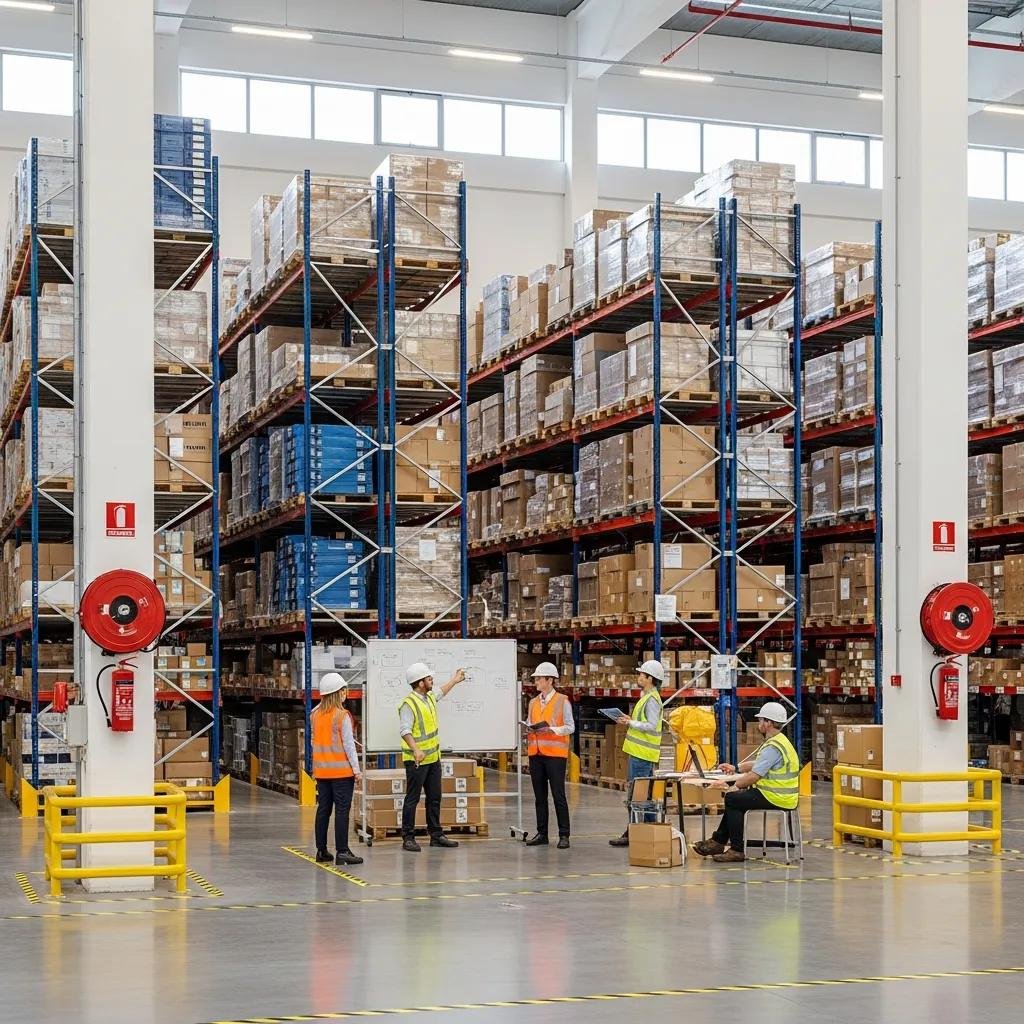
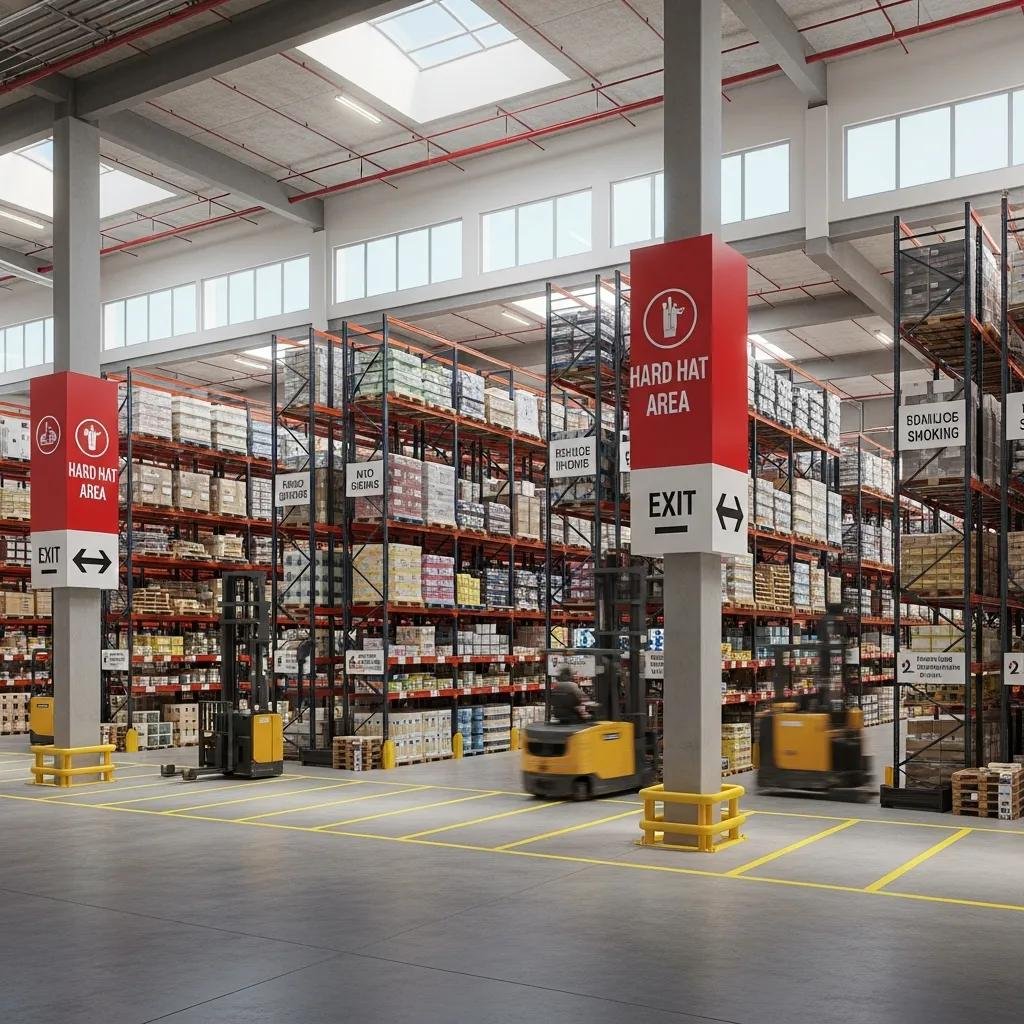
Creating an efficient warehouse layout reduces costs, improves productivity and keeps safety standards up to date. This article outlines the primary steps in layout design, how to sustain safety compliance through each project phase, and the core elements of warehouse project management. Review the complete warehouse solutions from design to final sign-off to streamline operations and improve throughput.

What are the essential steps in warehouse layout design for operational efficiency?

Good layout design maximises space and supports faster operations. Focus on needs assessment, smart racking choices and effective vertical storage to build a practical, efficient facility.

  1. Assessing Space Requirements : Map inventory types, volume and handling needs to size areas correctly.
  2. Implementing Strategic Racking Systems : Match racking type to goods and throughput to improve capacity and access.
  3. Maximizing Vertical Storage : Use height where safe to expand usable footprint and organise inventory.

These steps create a foundation for a layout that meets operational goals.

Optimising flow and space through thoughtful redesign is a common goal for many operations.

Warehouse Layout Redesign for Optimized Flow & Space

Warehouse managers want to redesign the layout and procedures. Currently items are not received, scanned, or shipped on time. The flow of people and items in receiving and shipping is chaotic and space is limited, especially during plant outages. The objective of this project is to: • Redesign the current layout to promote flow of items and people and better utilise space. • Create work procedures that standardise processes and save time. • Calculate costs and benefits of proposed solutions. • Suggest ways to implement the solutions.

Layout and Procedure Re-Design of DCPP Receiving Warehouse, 2010

How does customized warehouse layout ensure compliance and safety?

Warehouse worker inspecting safety compliance measures in a well-organized environment

A customised layout reduces hazards and supports day-to-day compliance. Clear aisles, placement of equipment and visible signage are core elements that reduce risk and support workflows.

  1. Adherence to Regulations : Design to meet applicable safety and storage regulations from the outset.
  2. Optimized Storage Practices : Place high-use items for quick access and segregate hazardous materials.
  3. Clear Pathways and Signage : Mark routes and post instructions to prevent accidents and confusion.

Together these measures create a safer, compliant workplace.

Which best practices optimize warehouse facility planning and logistics integration?

Apply targeted facility planning and logistics integration: choose the right racking, maintain clear traffic lanes and run routine audits to keep operations lean.

  1. Strategic Racking Systems : Select racks by SKU size, turnover and equipment to improve flow.
  2. Clear Pathways : Separate pedestrian and equipment paths and allow for safe turning radii.
  3. Regular Audits : Schedule audits to catch layout drift and process gaps early.

These practices maintain accessibility, safety and throughput.

How to achieve full warehouse safety compliance throughout the project lifecycle?

Safety compliance must be managed across planning, construction and handover. Know requirements, audit often and prepare for inspections.

  1. Familiarize with Regulations : Identify applicable national and local rules early in the project.
  2. Conduct Regular Audits : Use audits to verify controls and correct issues quickly.
  3. Prepare for Inspections : Keep documentation current and ensure inspection access and records.

These actions reduce risk and support regulatory obligations.

What are the key warehouse regulatory standards and compliance checklists?

Core standards cover occupational safety, fire protection and storage system rules. Use a simple checklist to verify training, fire systems and storage integrity.

StandardDescriptionCompliance Checklist
OSHA RegulationsOccupational Safety and Health Administration standards ensure workplace safety.Regular safety training, hazard assessments, and emergency procedures.
NFPA StandardsNational Fire Protection Association standards focus on fire safety in warehouses.Fire extinguisher placement, clear exits, and fire drills.
Storage System ComplianceEnsures that storage systems meet safety and operational standards.Regular inspections, load capacity checks, and maintenance logs.

Use this checklist as a practical guide to meet essential safety standards.

How can automation and IoT enhance warehouse compliance audits?

Automation and IoT supply timely data, reduce manual errors and speed reporting, making audits more accurate and less resource intensive.

  1. Real-Time Monitoring : Sensors track conditions and flag deviations for rapid action.
  2. Automated Data Collection : Remove manual entry to improve record accuracy for audits.
  3. Enhanced Reporting : Auto-generated reports simplify inspection preparation and traceability.

These technologies strengthen compliance and lower the risk of violations.

Integrating IoT provides a practical way to manage real-time compliance in modern warehouses.

IoT for Real-Time Warehouse Safety & Compliance

The rapid adoption of the Internet of Things (IoT) in retail has created a highly connected ecosystem spanning stores, warehouses, and distribution centers. Technologies such as smart shelves, RFID-based inventory management, automated checkout systems, and environmental sensors generate vast volumes of data, enabling unprecedented operational efficiency, accuracy, and responsiveness. However, this interconnectedness also introduces significant challenges in maintaining regulatory and corporate compliance, as retailers must adhere to a growing set of obligations including data privacy laws (e.g., GDPR, CCPA), workplace safety regulations (e.g., OSHA), and evolving environmental and sustainability standards.

AI-Driven Real-Time Compliance Management in IoT-Enabled Retail Operations, 2025

What are the critical components of warehouse project management for successful delivery?

Project manager collaborating with a team in a warehouse setting with blueprints

Effective project management emphasises safety and compliance, clear documentation and regular internal audits to keep work on schedule and aligned with regulations.

  1. Safety and Compliance : Maintain safety control and compliance checkpoints throughout.
  2. Documentation and Record Keeping : Keep accurate records for accountability and inspections.
  3. Internal Audits and Inspections : Run audits to find and fix issues before they escalate.

These elements help projects finish on time and meet regulatory needs.

How to coordinate construction oversight and stakeholder responsibilities?

Early engagement, clear communication and formal pre-application meetings assign responsibilities and keep projects moving.

  1. Engage Experts Early : Bring technical and safety specialists into planning to reduce rework.
  2. Establish Clear Communication : Use regular updates and defined channels for decisions and changes.
  3. Conduct Pre-Application Meetings : Agree responsibilities, timelines and escalation paths before work starts.

Clear coordination reduces delays and conflicts.

Which project phases ensure quality assurance and regulatory adherence?

Embed QA and regulatory checks across planning, construction and handover. Schedule audits and inspections at key milestones.

  1. Compliance Audits : Audit during construction to confirm standards are met.
  2. On-Site Inspection : Conduct inspections at stages to catch defects early.
  3. Ongoing Support : Offer post-handover support to address latent issues and training needs.

These phases preserve quality through delivery and handover.

What is involved in the final warehouse sign-off process to confirm compliance?

Final sign-off verifies compliance, operational readiness and documentation completeness through a defined set of checks.

  1. Assessment of Requirements : Confirm all regulatory and operational requirements are met.
  2. Gathering Necessary Documents : Compile reports, checklists and certificates for approval.
  3. Final Inspection : Carry out a thorough inspection and record any final corrections.

Completing these steps confirms the site is ready for operations.

How to use warehouse inspection checklists for final certification?

Use inspection checklists in internal audits to verify compliance and address findings before certification.

  1. Preparation and Review : Prepare checklists and review them with the team before audits.
  2. Conduct Internal Audits : Use the checklist to identify gaps and corrective actions.
  3. Address Compliance Issues : Resolve findings promptly and update records for the final inspection.

These steps help ensure a smooth certification process.

Who are the responsible parties and what are the timelines for final sign-off?

Assign stakeholder roles, set clear phase deadlines and coordinate tasks to avoid bottlenecks at sign-off.

  1. Identify Stakeholders : List owners, contractors and compliance leads with contact points.
  2. Establish Timelines : Define milestone dates and review cycles for each phase.
  3. Coordinate Responsibilities : Ensure all parties understand deliverables and escalation routes.

Clear roles and deadlines enable timely sign-off and project closeout.

Managing sign-off with modern document systems reduces delays and supports timely project closure.

Streamlining Project Sign-Off with Document Management Systems

Many project teams still rely on emailing and posting sign-off documents and calling approvers as reminders. This approach is inefficient and often delays receipt of verified sign-offs. The paper presents an integrated solution: a sign-off documents management system (SOMs) for project-based business processes, intended to solve issues within inter-organisational sign-off workflows.

A web-based project management system: sign-off documents management system (SOMs), 2014

Frequently Asked Questions

What factors should be considered when selecting a warehouse location?

Consider proximity to suppliers and customers, transport links, local labour, zoning and expansion space. Balance operating costs with service levels when choosing the site.

How can technology improve warehouse management efficiency?

Use a WMS for inventory control, automation (robotics, conveyors) to reduce manual handling, and IoT sensors for real-time stock and environment data. These tools cut errors and speed processing.

What are the benefits of regular warehouse audits?

Regular audits keep operations compliant and efficient, spot safety risks early and highlight process improvements to reduce downtime and incidents.

How does employee training impact warehouse safety and efficiency?

Training reduces mistakes and injuries, ensures safe equipment use and helps staff adopt new systems and workflows, improving overall productivity.

What role does inventory management play in warehouse operations?

Inventory management aligns stock with demand, sets reorder points, and ensures accurate fulfilment to avoid excess inventory or stockouts, lowering costs and improving delivery reliability.

How can layout design influence warehouse productivity?

A well-considered layout reduces travel time, prevents congestion and improves access to goods. Place high-turn SKUs near pick zones and plan aisles to suit handling equipment.

Conclusion

A focused warehouse layout and disciplined project management improve efficiency and maintain safety compliance across the lifecycle. Follow clear steps for design, audits and sign-off, and adopt suitable technology to streamline operations and protect compliance. Our expert solutions can help transform your warehouse into a safer, more productive facility.