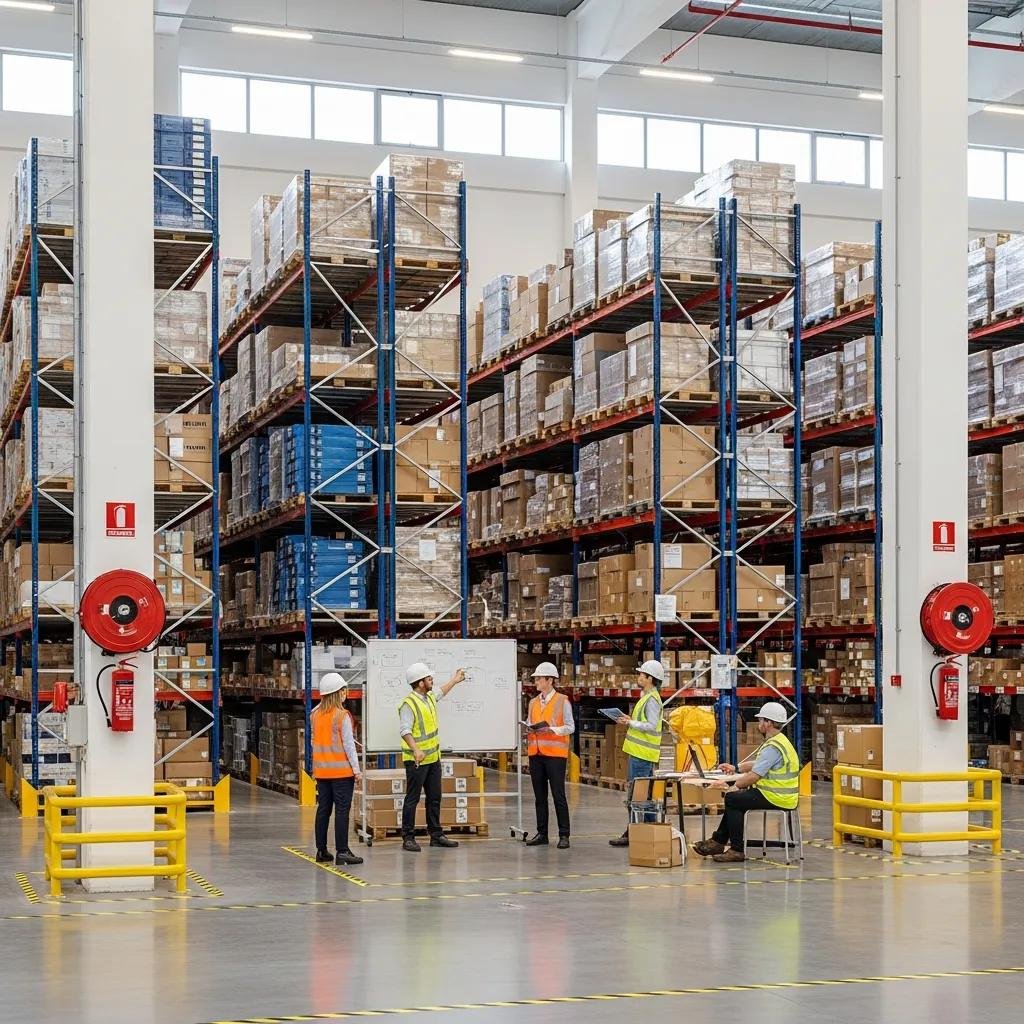

Texas High Pile Storage Permit Fees & Engineering RequirementsHigh Pile Permit Cost in Texas: Fees and Engineering Requirements Explained
High pile storage permits in Texas can be complex for warehouse operators and business owners. Knowing the fees and engineering requirements is essential for compliance and smooth operations. This article explains the permit fees, required engineering reports, and the Texas Fire Marshal application process so you can plan costs and streamline approvals.
What Are the Key Fees for High Pile Storage Permits in Texas?
Permit fees vary by jurisdiction and specific project needs, so budgeting is essential. Application fees typically start around $300; additional costs may include inspections and document preparation.
How Are Texas Fire Marshal Permit Fees Structured?
The Texas Fire Marshal framework reflects local rules. Fees generally begin near $300 and increase based on city requirements. For example, Dallas uses a two-part structural and fire plan review, while Houston requires online plan uploads plus a separate fire district permit. Check local fee schedules to avoid surprises.
What Components Make Up Warehouse Permit Costs?
Permit costs include several elements:
- Application Fees: Charges for submitting the permit application.
- Inspection Fees: Costs associated with inspections required by local authorities.
- Document Preparation Costs: Expenses for preparing necessary documentation, which can vary by location.
Knowing these components helps businesses budget for permitting and avoid unexpected expenses.
What Engineering Reports Are Required for Texas High Pile Storage Permits?

Engineering reports verify that proposed storage layouts meet local fire codes and safety requirements. A detailed plan showing layout, rack configuration and materials is typically required for approval.
Which Engineering Standards Must Be Met for Compliance?
Meeting engineering standards is required for permit approval. Key standards include:
- Building Code Compliance: Adhering to local building codes is essential for safety and legality.
- Fire Code Compliance: Ensuring that racking systems comply with fire codes protects against potential hazards.
These rules ensure high pile storage systems remain safe and code-compliant.
How Do Engineering Consulting Services Support Permit Applications?
Engineering consultants guide compliance, prepare required documentation and submit reports. Their expertise improves the quality of submissions and increases the chance of timely permit approval.
How Does the Texas Fire Marshal Permit Application Process Work?
The application process requires a series of defined steps. Following the correct sequence helps secure timely approvals and maintain compliance.
What Are the Steps to Apply for a High Pile Storage Permit?
Applying involves these steps:
- Evaluate Warehouse Layout: Ensure that the layout complies with local regulations.
- Gather Essential Documents: Collect all necessary documentation for submission.
- Schedule Inspections: Coordinate with local authorities to schedule required inspections.
Following these steps streamlines the process and reduces delays.
How Long Does the Permit Approval Process Typically Take?
Approval timelines vary by project complexity and jurisdiction; typically the process takes two to four weeks. Use this window to plan operations and manage expectations.
What Fire Safety Compliance Requirements Affect High Pile Storage in Texas?

Fire safety compliance protects personnel and property and is a legal requirement for high pile storage operations in Texas.
Which Fire Safety Codes and NFPA Standards Apply?
Fire codes and NFPA standards reduce fire risks in high pile storage facilities. Key codes include:
- NFPA Standards: These standards provide guidelines for fire safety in storage facilities.
- International Building Code (IBC): Compliance with IBC requirements is crucial for structural safety.
Knowing these codes helps businesses remain compliant and improve on-site safety measures.
How Are Inspections and Permit Renewals Managed?
Regular inspections and renewals keep permits current and operations compliant. Quantum Warehouse Solutions manages inspections and permit renewals, helping clients navigate racking permit requirements so they stay up to date with changing regulations.
| Fee Component | Description | Typical Cost |
|---|---|---|
| Application Fee | Initial fee for submitting the permit application | Starts at $300 |
| Inspection Fee | Costs associated with required inspections | Varies by jurisdiction |
| Document Preparation | Expenses for preparing necessary documentation | Varies by location |
This table summarizes key fee components to help businesses plan their budgets for high pile storage permits.
Understanding the fees, required engineering reports and the application process lets businesses navigate permit requirements more effectively and maintain operational efficiency.
Frequently Asked Questions
What is the importance of high pile storage permits?
Permits confirm warehouses meet local fire and building regulations. They reduce fire risks from stacked goods and protect staff and assets while ensuring legal compliance.
Are there any exemptions for high pile storage permits in Texas?
Some exemptions may apply depending on the materials stored and local rules. Non-combustible storage often faces different requirements than flammable goods. Consult local fire marshals to determine whether exemptions apply to your facility.
What types of materials are typically regulated under high pile storage permits?
Permits focus on materials that pose fire hazards—combustibles such as paper, wood, textiles and certain plastics. Hazardous items like chemicals and flammable liquids are subject to stricter controls. Material classification drives engineering and safety requirements.
How can businesses prepare for inspections related to high pile storage permits?
Prepare by confirming layouts meet local rules, testing fire suppression systems, keeping exits clear and maintaining up-to-date documentation. Internal audits and mock inspections help identify issues before the official review.
What are the consequences of operating without a high pile storage permit?
Operating without a permit can lead to fines, legal penalties or forced shutdowns. It also increases liability after an incident, since non-compliance may be seen as negligence. Obtaining permits protects operations, employees and assets.
Can engineering reports be prepared in-house, or is professional assistance recommended?
Some organisations prepare reports in-house, but professional engineering assistance is recommended. Consultants ensure reports meet local codes and standards, improving submission quality and reducing the risk of costly revisions or delays.
Conclusion
Knowing the costs, required reports and application steps for high pile storage permits in Texas helps you secure approvals and improve facility safety. If you need further assistance or want to explore available resources, connect with us to learn more.