High-Pile Storage Layout Regulations: Aisle Width, Flue Space & AccessHigh-Pile Storage Layout Rules: Warehouse Aisle Width, Flue Space, and Access Requirements
High-pile storage affects safety, compliance, and efficiency in high-volume warehouses. Understanding aisle width, flue space, and access rules is essential to meeting fire codes and protecting staff and inventory. This article summarizes standards for layout, measurement, access, and permits for high-pile storage.
What are the required aisle width standards for high-pile warehouse storage?

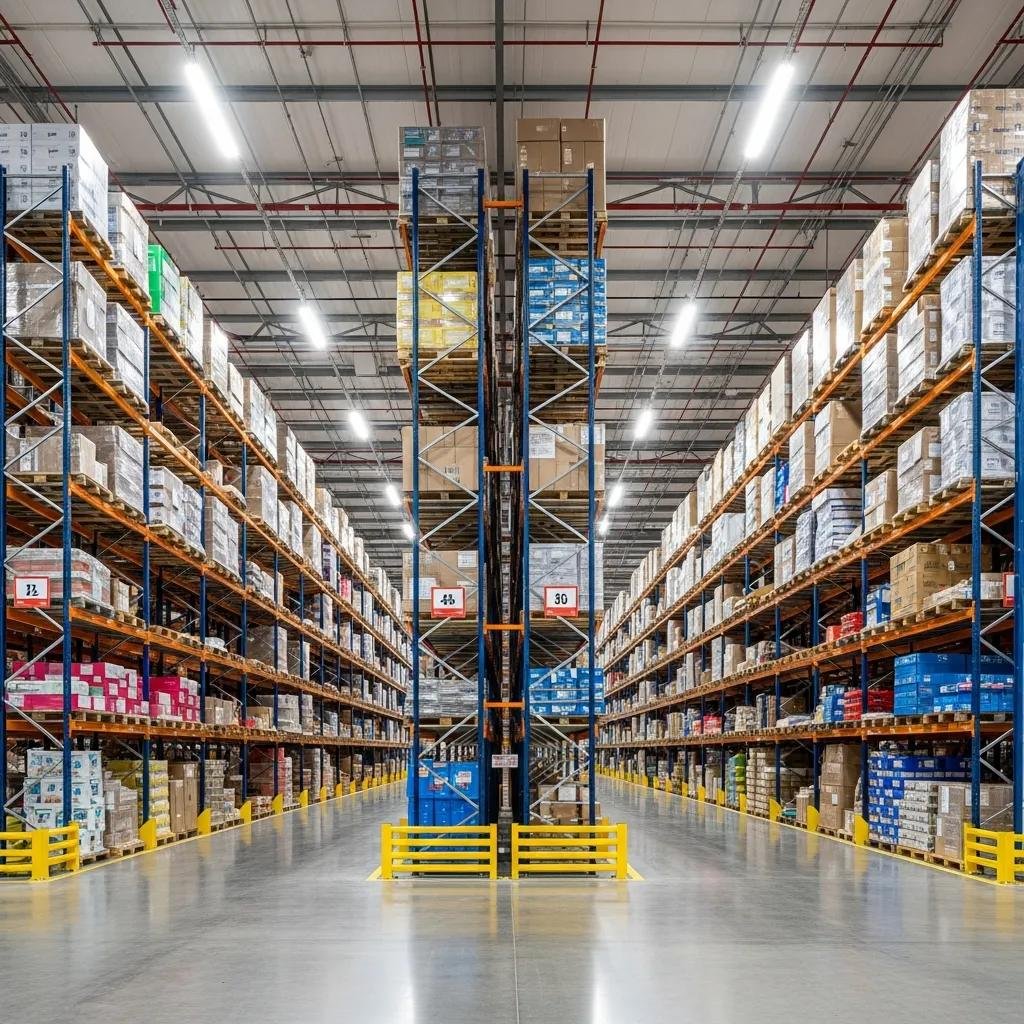
Aisle width standards set minimum distances between racks so personnel, handling equipment, and fire suppression systems can move safely. Requirements vary by local code and by materials stored; for example, NFPA guidance generally requires wider aisles where flammable items are present so fire services can access the area.
The table compares common aisle-width requirements:
| Regulation | Aisle Width Requirement | Purpose |
|---|---|---|
| NFPA 13 | Minimum 3 feet | General storage |
| NFPA 14 | Minimum 4 feet | Flammable materials |
| Local Codes | Varies (3-8 feet) | Specific to local fire safety needs |
Understanding and applying these standards helps managers keep operations safe and compliant. Quantum Warehouse Solutions specializes in optimizing storage layouts and advising on compliance for high-pile systems.
How do aisle width requirements ensure fire safety and operational efficiency?
Sufficient aisle space is critical for emergency response and daily operations: it lets suppression teams reach incidents, reduces collisions, and improves pick-and-place flow. Local codes set aisle dimensions according to material hazards and facility design to balance safety and efficiency.
How is flue space defined and measured for fire safety compliance?

Flue space refers to vertical and horizontal gaps between stored goods, adjacent racks, or the ceiling. It permits airflow and allows sprinklers and smoke to behave as designed; common measurements include top-of-stock to ceiling and clear gaps between rack rows.
Maintaining correct flue space is both a code requirement and a practical safeguard: it helps suppression systems reach all areas and reduces the chance of unseen fire spread.
What are the fire safety benefits of maintaining proper flue space between storage racks?
- Airflow : Adequate flue space allows proper airflow to support effective fire suppression.
- Effective Sprinkler Operation : Proper spacing helps sprinklers distribute water evenly, lowering the risk of fire spread.
- Regulatory Compliance : Adhering to flue-space requirements helps warehouses meet local fire codes and avoid penalties.
These benefits show why flue space is a core design consideration for high-pile storage—important for both safety and regulatory compliance.
What access and egress standards must warehouses meet for high-pile storage?
Access and egress rules ensure safe entry and exit from high-pile areas, specifying pathway widths, required exits, and clear routes for emergency responders. Clear access routes enable firefighters and suppression equipment to reach storage zones and help facilities meet minimum clearance dimensions.
Prioritising access and egress improves safety and operational reliability by ensuring staff and emergency teams can move through the facility quickly and without obstruction.
How to obtain and comply with high-pile storage permits and regulations?
Obtaining and maintaining a high-pile storage permit begins with assessing storage needs against local fire codes. That assessment identifies specific layout or material restrictions and any changes required for compliance.
Warehouse Rack & Solid Pile Storage Heights
Rack storage of Group A plastics is permitted in this facility to a height of 20 ft. beneath a 24 ft. ceiling on the main floor. Shelf and solid pile storage of Group A plastics is permitted on the second floor of this facility to a height of 10 ft. Construction Warehouse, 1999
- Assess Storage Needs : Evaluate the types of materials to be stored and their respective fire hazards.
- Consult Local Fire Codes : Review local regulations to determine applicable high-pile requirements.
- Prepare and Submit Application : Compile documentation and submit the high-pile permit application to the authority having jurisdiction.
Quantum Warehouse Solutions offers consultation to guide businesses through permit requirements and ensure facilities meet safety standards.
What are the key steps in the high-pile storage permit application process?
- Initial Assessment : Conduct a focused evaluation of warehouse layout and stored materials.
- Documentation Preparation : Gather plans and specifications that demonstrate compliance with local fire codes.
- Permit Approval Process : Submit the application to the local fire department and address any required modifications.
Frequently Asked Questions
What types of materials are typically stored in high-pile storage systems?
High-pile systems commonly store bulk items, pallets, and packaged goods across retail, manufacturing, and distribution. Typical materials include plastics, textiles, food products, and construction materials—each with different fire-hazard profiles that affect layout and safety controls.
How can warehouse managers ensure compliance with local fire codes?
Managers should stay current with regulations, verify aisle widths, flue spaces, and access routes, and run regular inspections. Working with fire safety consultants or local authorities and training staff on emergency procedures supports ongoing compliance.
What are the consequences of non-compliance with high-pile storage regulations?
Non-compliance can lead to fines, legal exposure, higher insurance costs, and operational shutdowns until issues are resolved. It also increases the risk of accidents and fire, threatening personnel safety and business continuity.
What role does employee training play in high-pile storage safety?
Training equips staff to handle materials safely, follow fire protocols, and keep access routes clear. Programs should cover material handling, emergency response, and routine safety checks, with regular refreshers to maintain safe practices.
How can technology improve high-pile storage management?
Technology—such as warehouse management systems, automated tracking, and analytics—optimises layouts, improves inventory accuracy, and streamlines operations. RFID and automation improve tracking and flow control while analytics reveal opportunities to boost safety and efficiency.
What are the best practices for maintaining high-pile storage systems?
Best practices include scheduled rack inspections, routine cleaning to limit dust, ongoing staff training, and maintaining clear access paths and correct flue space. These measures reduce hazards and help keep facilities compliant and efficient.
Conclusion
Applying high-pile layout rules for aisle width, flue space, and access pathways is essential to protect people, comply with codes, and optimize storage. Following these standards improves fire safety and operational performance. For expert help navigating high-pile regulations, consider contacting the team at Quantum Warehouse Solutions.