Table of Contents
ToggleHow to Ensure Your Warehouse Racking Installation Passes Inspection the First Time
Ensuring that your warehouse racking installation passes inspection on the first attempt is crucial for maintaining safety and compliance in your storage operations. This comprehensive guide will explore the essential safety standards, installation steps, and inspection practices necessary for successful racking systems. Many warehouse managers face challenges with compliance, which can lead to costly delays and safety hazards. By understanding the key requirements and best practices, you can streamline your installation process and enhance your operational efficiency. This article will cover the key warehouse racking safety standards, essential installation steps, effective inspection checklists, and maintenance practices to sustain compliance.
What Are the Key Warehouse Racking Safety Standards and Compliance Codes?
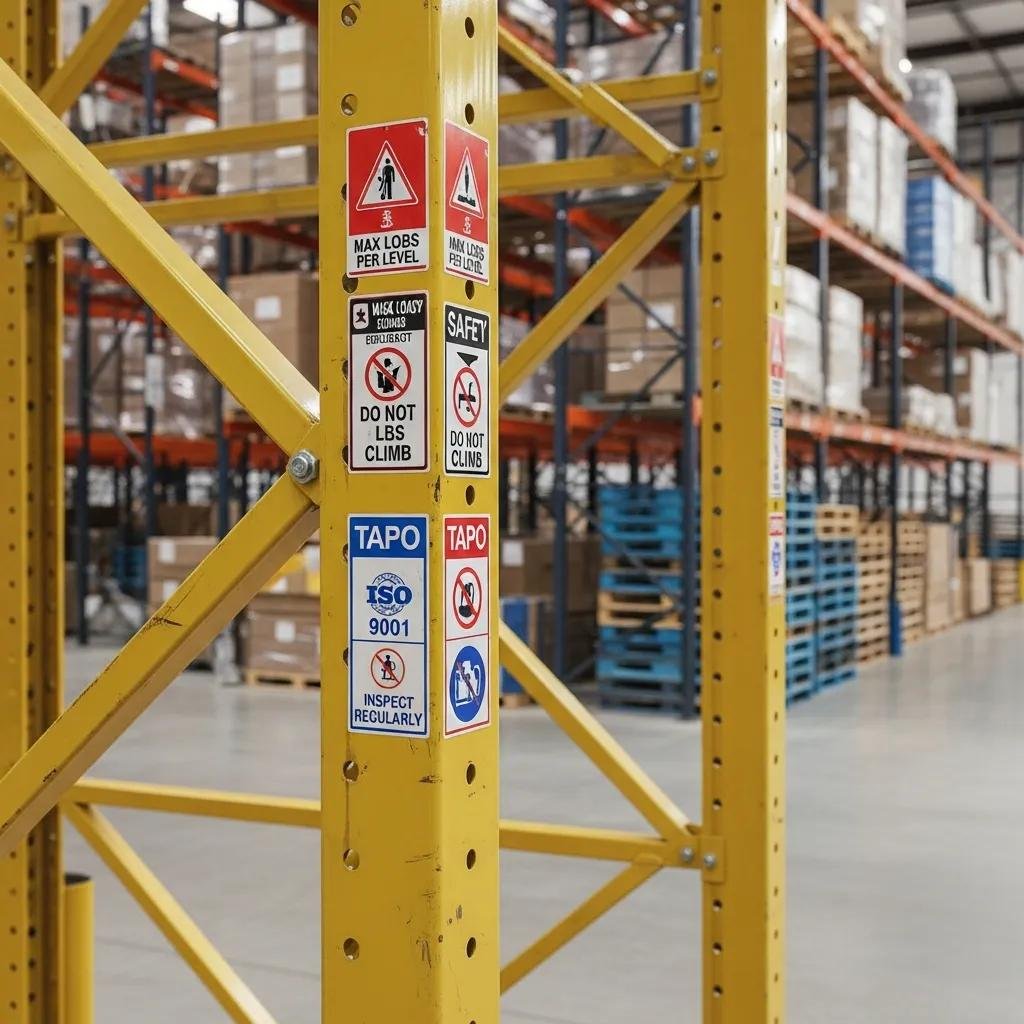
Warehouse racking safety standards are critical for ensuring the structural integrity and safety of storage systems. Compliance with these standards not only protects employees but also minimizes liability for warehouse operators. Key standards include local building codes, OSHA regulations, and ANSI/RMI standards, which collectively govern the safety and functionality of racking systems. Understanding these regulations is essential for any warehouse manager looking to ensure compliance and safety.
| Safety Standard | Description | Compliance Requirement |
|---|---|---|
| OSHA Regulations | Guidelines for workplace safety | Adherence to structural integrity and load capacity |
| ANSI/RMI Standards | Specifications for racking systems | Compliance with design and installation guidelines |
| NFPA Codes | Fire safety regulations | Implementation of fire suppression systems and emergency access |
Quantum Warehouse Solutions specializes in warehouse storage infrastructure, focusing on racking installation and compliance. Their professional services include inspection readiness consulting, ensuring that your installation meets all necessary safety standards.
Which OSHA and ANSI Standards Govern Warehouse Racking Safety?
The Occupational Safety and Health Administration (OSHA) and the American National Standards Institute (ANSI) set forth critical guidelines that govern warehouse racking safety. OSHA regulations emphasize the importance of structural integrity, requiring that racking systems be designed to withstand specified loads without failure. ANSI standards, particularly ANSI/RMI guidelines, provide detailed specifications for the design, testing, and installation of racking systems, ensuring they meet safety and performance criteria.
How Do NFPA Fire Safety Codes Impact Racking Installation Compliance?
The National Fire Protection Association (NFPA) codes significantly influence racking installation compliance by establishing fire safety requirements. These codes mandate the installation of fire suppression systems and ensure that emergency access routes are maintained. Compliance with NFPA codes is essential for minimizing fire hazards and ensuring the safety of warehouse operations. Understanding these requirements helps warehouse managers implement effective safety measures during racking installation.
What Are the Essential Steps for Professional Warehouse Racking Installation?
Professional warehouse racking installation involves several critical steps to ensure compliance and safety. These steps include obtaining necessary permits, conducting site assessments, and preparing documentation. Following a structured installation process minimizes the risk of errors and enhances the overall safety of the racking system.
- Permit Requirements: Before installation, ensure that all necessary permits are obtained from local authorities to comply with building codes.
- Site Assessment: Conduct a thorough assessment of the installation site to determine the appropriate racking system based on space and load requirements.
- Documentation Preparation: Prepare all required documentation, including installation plans and compliance checklists, to facilitate inspections.
Quantum Warehouse Solutions offers expert guidance throughout the installation process, ensuring that all steps are followed correctly to meet compliance standards.
How to Follow ANSI MH16.1 Procedures for Safe Racking Installation?
Following ANSI MH16.1 procedures is essential for safe racking installation. This standard outlines specific steps for assessing the needs of the racking system, including load calculations and site evaluations. By adhering to these procedures, warehouse managers can ensure that their installations are safe and compliant with industry standards.
What Are the Best Practices to Avoid Common Installation Errors?
To avoid common installation errors, warehouse managers should implement best practices such as conducting pre-application meetings with local officials and thoroughly understanding local regulations. These practices help identify potential issues before installation begins, reducing the likelihood of compliance failures.
How to Use a Warehouse Racking Inspection Checklist to Pass Inspections?
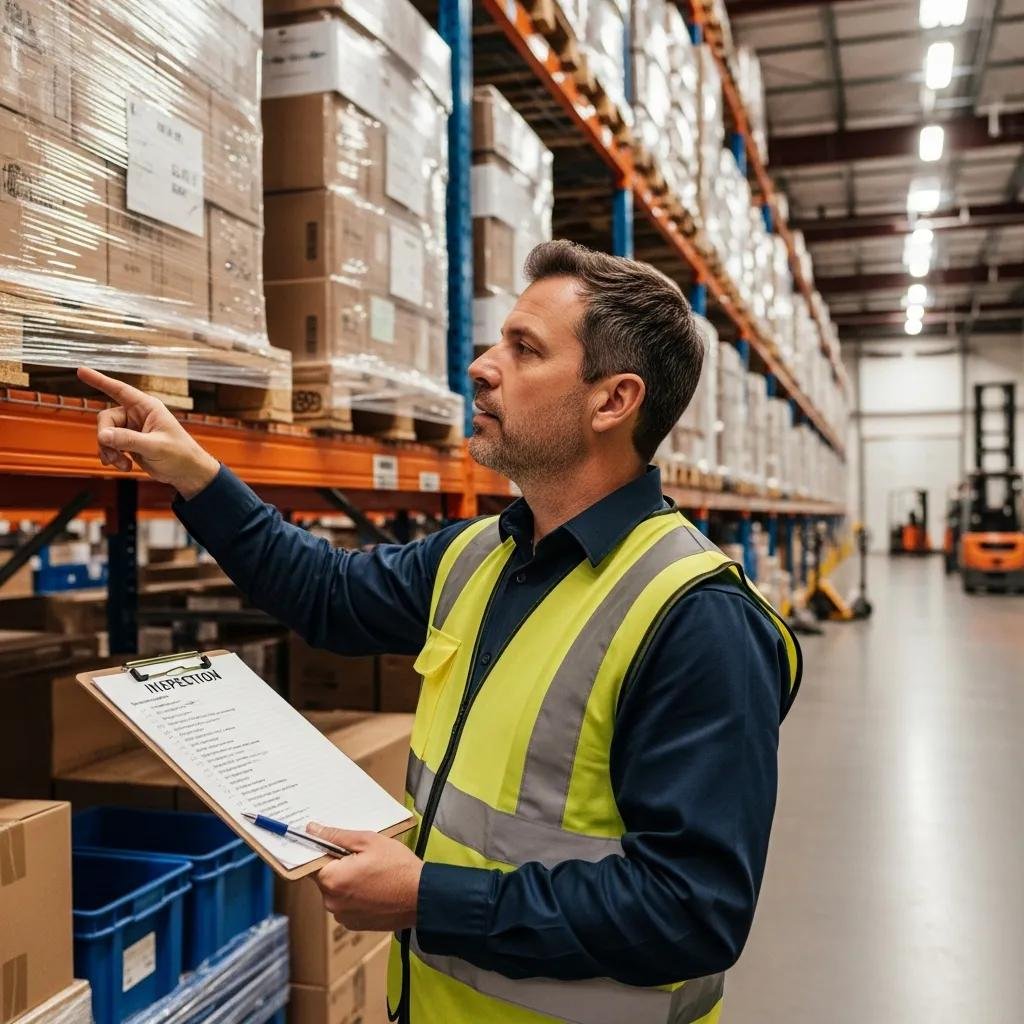
Using a warehouse racking inspection checklist is a vital tool for ensuring compliance and safety. This checklist should include all critical items that need verification during inspections, helping warehouse managers maintain high safety standards.
- Documentation Preparation: Ensure that all relevant documentation is organized and readily available for inspectors.
- Conducting Regular Audits: Schedule regular audits to assess the condition of racking systems and identify any potential issues before inspections.
- Training Employees: Provide training for employees on inspection protocols and safety standards to foster a culture of compliance.
Consulting with Quantum Warehouse Solutions can provide additional insights into effective inspection practices and compliance strategies.
What Items Must Be Verified on a Racking Inspection Checklist?
A comprehensive racking inspection checklist should include the following key items:
- Structural Integrity Checks: Verify that all components of the racking system are intact and free from damage.
- Visible Damage Inspections: Inspect for any signs of wear or damage that could compromise safety.
- Load Capacity Verification: Ensure that the racking system is not overloaded beyond its specified capacity.
How Often Should Warehouse Racks Be Inspected for Compliance?
Warehouse racks should be inspected regularly to ensure ongoing compliance. It is recommended that formal inspections occur at least annually, with routine visual checks or self-inspections conducted more frequently, such as monthly or quarterly. This proactive approach helps identify potential issues early and maintain safety standards.
What Maintenance and Damage Assessment Practices Sustain Warehouse Rack Compliance?
Regular maintenance and damage assessment practices are essential for sustaining warehouse rack compliance. These practices help identify and address issues that could lead to inspection failures, ensuring the safety and functionality of racking systems.
- Regular Inspections: Conduct regular inspections to assess the condition of racking systems and identify any potential hazards.
- Engaging Certified Professionals: Hire certified professionals to perform thorough assessments and maintenance on racking systems.
- Immediate Action on Damage: Address any identified damage promptly to prevent further issues and maintain compliance.
Quantum Warehouse Solutions emphasizes the importance of ongoing maintenance and inspection readiness to help clients pass inspections on the first attempt.
How to Identify and Address Common Causes of Racking Inspection Failure?
Common causes of racking inspection failure include improper installation, inadequate load capacity, and lack of regular maintenance. Identifying these issues early can prevent costly compliance failures. Warehouse managers should implement regular training and audits to ensure that all staff are aware of safety standards and compliance requirements.
What Are Effective Maintenance Tips to Ensure Ongoing Safety and Compliance?
To ensure ongoing safety and compliance, warehouse managers should adopt effective maintenance tips such as:
- Regular Internal Audits: Conduct internal audits to assess compliance with safety standards and identify areas for improvement.
- Employee Training: Provide ongoing training for employees on safety protocols and inspection procedures.
- Documentation Updates: Keep all documentation up to date to facilitate smooth inspections and compliance checks.
By following these practices, warehouse managers can maintain a safe and compliant racking system, ultimately enhancing operational efficiency and safety.