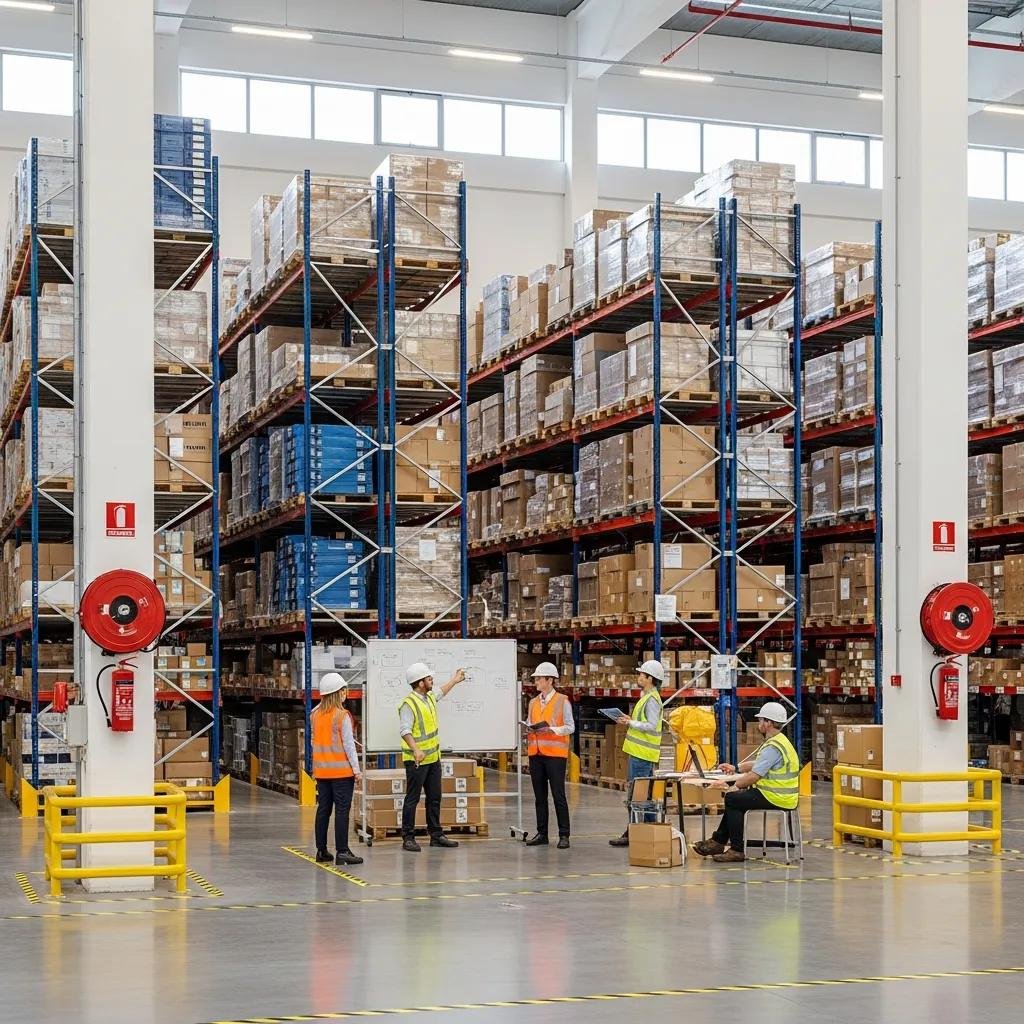

Pallet Racking Inspection Checklist: Essential Safety & ComplianceWarehouse Inspection Checklist for Pallet Racking: Essential Safety and Compliance Guide
Keeping pallet racking safe and compliant protects people and assets. A clear inspection checklist reduces risks from improper storage and handling. This guide summarizes the key safety standards, inspection steps, and maintenance best practices so warehouse managers can lower risk and improve efficiency. It also outlines essential standards, step-by-step checks, maintenance actions, and how Quantum Warehouse Solutions can help with compliance and safety audits.
What Are the Key Safety Standards for Pallet Rack Inspections?
Pallet rack inspections follow established safety standards designed to protect structural integrity and operational safety. These rules help prevent accidents and ensure regulatory compliance. Regular inspections catch hazards early and keep the workplace secure, protecting employees and warehouse assets.
Which OSHA Guidelines Apply to Pallet Racking Systems?

OSHA guidance for pallet racking emphasizes structural integrity, visible load limits, and worker training. Following these guidelines reduces workplace accident risk and helps keep employees safe.
How Do Industry Standards Influence Warehouse Safety Audits?
Industry standards shape safety audits by highlighting compliance gaps and preventing hazards. Regular audits based on these standards keep protocols consistent, improve efficiency, and reduce the likelihood of accidents. Aligning with industry norms strengthens an organization’s safety culture.
How to Perform a Step-by-Step Pallet Rack Inspection Checklist
A thorough inspection uses a systematic checklist to find and document problems. A structured list ensures all critical components are reviewed and any damage is recorded, keeping pallet racking safe and operational.
What Are the Critical Components to Inspect in Pallet Racking?
Inspect frame integrity, beam condition, and overall stability. Look for dents, bends, loose hardware, and other visible damage. Confirm load limits are posted and that safety devices are installed and functional.
How to Identify and Document Common Pallet Rack Damages?
Watch for bent frames, loose bolts, and worn safety clips. Photograph defects, note their location and severity, and keep detailed inspection logs to track repairs and demonstrate compliance.
What Are Best Practices for Pallet Rack Maintenance and Repair?

Follow maintenance best practices to extend the life of racking systems. Regular upkeep improves safety and operational efficiency; prioritize repairs by severity and safety impact.
How to Prioritize Repairs Based on Damage Severity?
Assess damage severity and safety impact to prioritize repairs. Use routine inspections and logs to flag urgent fixes. For major structural issues, engage qualified professionals to restore compliance.
What Are Recommended Procedures for Load Capacity Verification?
Verify load capacity by consulting manufacturer specifications, performing regular inspections, and training staff on load limits. These measures ensure racking is used safely and effectively.
Frequently Asked Questions
What are the common causes of pallet rack failures?
Overloading, improper installation, and inadequate maintenance. Forklift impacts are also a major cause.
How often should pallet racking systems be inspected?
At least annually, with more frequent checks in high-traffic warehouses.
What should be done if damage is found?
Isolate the area, document the issue, and prioritize repairs immediately.
Are regulations different by industry?
Yes, food, pharma, and chemical storage often require stricter controls.
How can technology help inspections?
Sensors, RFID, mobile apps, and automation improve accuracy and speed.
Conclusion
A complete inspection checklist is essential to ensure pallet racking safety and compliance. Regular inspections, clear documentation, and structured maintenance reduce risk and improve efficiency.