What are OSHA’s recordkeeping and incident reporting requirements?
- Recordkeeping: Keep an OSHA log (Form 300) of work-related injuries and illnesses.
- Reporting: Report fatalities and severe incidents to OSHA within required timeframes.
How do safety audits contribute to ongoing warehouse compliance?
- Identifying Non-Compliance: Find areas that need correction to meet OSHA standards.
- Enhancing Safety Culture: Regular audits reinforce accountability and improvement.
- Data-Driven Decisions: Use findings to prioritise fixes and training.
Conclusion
Understanding and implementing OSHA guidelines is essential for warehouse safety and compliance. Build a tailored compliance program, provide focused training, maintain accurate records, and use incident data to drive continuous improvements. Prioritise safety to protect your workforce and improve operational performance.
Which training topics are mandatory under OSHA for warehouse employees?
- Hazard Communication: Chemical hazards, labeling, and SDS use.
- Forklift Operation: Safe operation and certification requirements.
- Emergency Procedures: Evacuation and response protocols.
- Personal Protective Equipment (PPE): Correct selection, use, and care.
Cover these core areas to equip employees for safe work.
How to Manage Incident Reporting and Continuous Safety Improvement in Warehouses?

Clear reporting procedures and a continuous-improvement cycle let you learn from events and reduce recurrence.
What are OSHA’s recordkeeping and incident reporting requirements?
- Recordkeeping: Keep an OSHA log (Form 300) of work-related injuries and illnesses.
- Reporting: Report fatalities and severe incidents to OSHA within required timeframes.
How do safety audits contribute to ongoing warehouse compliance?
- Identifying Non-Compliance: Find areas that need correction to meet OSHA standards.
- Enhancing Safety Culture: Regular audits reinforce accountability and improvement.
- Data-Driven Decisions: Use findings to prioritise fixes and training.
Conclusion
Understanding and implementing OSHA guidelines is essential for warehouse safety and compliance. Build a tailored compliance program, provide focused training, maintain accurate records, and use incident data to drive continuous improvements. Prioritise safety to protect your workforce and improve operational performance.
How can risk assessments and hazard prevention be integrated into the program?
Integrate regular risk assessments, preventive controls, and continued monitoring so you act before incidents occur.
- Regular Risk Assessments: Identify hazards and evaluate risk levels.
- Preventive Measures: Apply engineering, administrative, or PPE controls.
- Continuous Monitoring: Update protocols after incidents or new information.
What Are the OSHA Training Requirements for Warehouse Staff?
Training ensures staff understand hazards, controls, and emergency actions required by OSHA.
Which training topics are mandatory under OSHA for warehouse employees?
- Hazard Communication: Chemical hazards, labeling, and SDS use.
- Forklift Operation: Safe operation and certification requirements.
- Emergency Procedures: Evacuation and response protocols.
- Personal Protective Equipment (PPE): Correct selection, use, and care.
Cover these core areas to equip employees for safe work.
How to Manage Incident Reporting and Continuous Safety Improvement in Warehouses?
Clear reporting procedures and a continuous-improvement cycle let you learn from events and reduce recurrence.
What are OSHA’s recordkeeping and incident reporting requirements?
- Recordkeeping: Keep an OSHA log (Form 300) of work-related injuries and illnesses.
- Reporting: Report fatalities and severe incidents to OSHA within required timeframes.
How do safety audits contribute to ongoing warehouse compliance?
- Identifying Non-Compliance: Find areas that need correction to meet OSHA standards.
- Enhancing Safety Culture: Regular audits reinforce accountability and improvement.
- Data-Driven Decisions: Use findings to prioritise fixes and training.
Conclusion
Understanding and implementing OSHA guidelines is essential for warehouse safety and compliance. Build a tailored compliance program, provide focused training, maintain accurate records, and use incident data to drive continuous improvements. Prioritise safety to protect your workforce and improve operational performance.
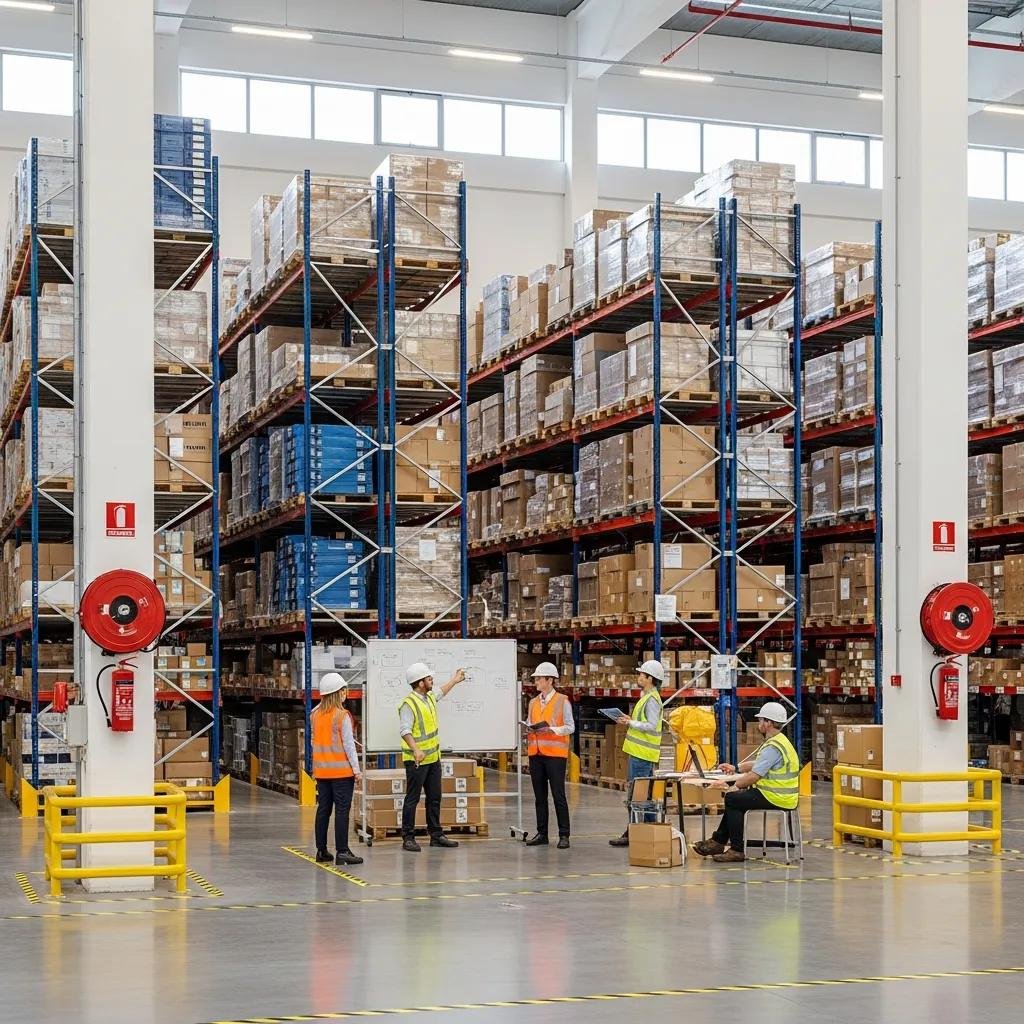
What are the essential steps to create a warehouse OSHA compliance program?
- Conduct a Safety Audit: Assess practices and identify improvements.
- Develop Safety Policies: Write clear procedures and assign roles.
- Implement Training Programs: Train employees on controls and emergencies.
- Establish Reporting Procedures: Make reporting simple for incidents and near misses.
These steps create a proactive, safety-first culture.
How can risk assessments and hazard prevention be integrated into the program?
Integrate regular risk assessments, preventive controls, and continued monitoring so you act before incidents occur.
- Regular Risk Assessments: Identify hazards and evaluate risk levels.
- Preventive Measures: Apply engineering, administrative, or PPE controls.
- Continuous Monitoring: Update protocols after incidents or new information.
What Are the OSHA Training Requirements for Warehouse Staff?
Training ensures staff understand hazards, controls, and emergency actions required by OSHA.
Which training topics are mandatory under OSHA for warehouse employees?
- Hazard Communication: Chemical hazards, labeling, and SDS use.
- Forklift Operation: Safe operation and certification requirements.
- Emergency Procedures: Evacuation and response protocols.
- Personal Protective Equipment (PPE): Correct selection, use, and care.
Cover these core areas to equip employees for safe work.
How to Manage Incident Reporting and Continuous Safety Improvement in Warehouses?
Clear reporting procedures and a continuous-improvement cycle let you learn from events and reduce recurrence.
What are OSHA’s recordkeeping and incident reporting requirements?
- Recordkeeping: Keep an OSHA log (Form 300) of work-related injuries and illnesses.
- Reporting: Report fatalities and severe incidents to OSHA within required timeframes.
How do safety audits contribute to ongoing warehouse compliance?
- Identifying Non-Compliance: Find areas that need correction to meet OSHA standards.
- Enhancing Safety Culture: Regular audits reinforce accountability and improvement.
- Data-Driven Decisions: Use findings to prioritise fixes and training.
Conclusion
Understanding and implementing OSHA guidelines is essential for warehouse safety and compliance. Build a tailored compliance program, provide focused training, maintain accurate records, and use incident data to drive continuous improvements. Prioritise safety to protect your workforce and improve operational performance.
How do warehouse safety checklists support compliance?
Checklists make inspections consistent and document safety efforts.
- Systematic Inspections: Regular checklists ensure all safety areas are reviewed.
- Documentation: Checklists create a record useful for inspections and trend analysis.
- Employee Accountability: Clear assignments build a culture of responsibility.
Use checklists to standardize inspections, preserve records, and assign responsibility.
How to Develop an Effective OSHA Compliance Program for Warehouses?

Build a program that fits your facility: clear policies, practical procedures, assigned ownership, and regular review.
Indeed, the evolution of safety management underscores OSHA’s increasing emphasis on formal safety programs and new regulations designed to prevent incidents and injuries.
OSHA’s Formal Safety Programs for Warehouse Incident Prevention
Warehouse safety: a practical guide to preventing warehouse incidents and injuries, 1999
What are the essential steps to create a warehouse OSHA compliance program?
- Conduct a Safety Audit: Assess practices and identify improvements.
- Develop Safety Policies: Write clear procedures and assign roles.
- Implement Training Programs: Train employees on controls and emergencies.
- Establish Reporting Procedures: Make reporting simple for incidents and near misses.
These steps create a proactive, safety-first culture.
How can risk assessments and hazard prevention be integrated into the program?
Integrate regular risk assessments, preventive controls, and continued monitoring so you act before incidents occur.
- Regular Risk Assessments: Identify hazards and evaluate risk levels.
- Preventive Measures: Apply engineering, administrative, or PPE controls.
- Continuous Monitoring: Update protocols after incidents or new information.
What Are the OSHA Training Requirements for Warehouse Staff?
Training ensures staff understand hazards, controls, and emergency actions required by OSHA.
Which training topics are mandatory under OSHA for warehouse employees?
- Hazard Communication: Chemical hazards, labeling, and SDS use.
- Forklift Operation: Safe operation and certification requirements.
- Emergency Procedures: Evacuation and response protocols.
- Personal Protective Equipment (PPE): Correct selection, use, and care.
Cover these core areas to equip employees for safe work.
How to Manage Incident Reporting and Continuous Safety Improvement in Warehouses?
Clear reporting procedures and a continuous-improvement cycle let you learn from events and reduce recurrence.
What are OSHA’s recordkeeping and incident reporting requirements?
- Recordkeeping: Keep an OSHA log (Form 300) of work-related injuries and illnesses.
- Reporting: Report fatalities and severe incidents to OSHA within required timeframes.
How do safety audits contribute to ongoing warehouse compliance?
- Identifying Non-Compliance: Find areas that need correction to meet OSHA standards.
- Enhancing Safety Culture: Regular audits reinforce accountability and improvement.
- Data-Driven Decisions: Use findings to prioritise fixes and training.
Conclusion
Understanding and implementing OSHA guidelines is essential for warehouse safety and compliance. Build a tailored compliance program, provide focused training, maintain accurate records, and use incident data to drive continuous improvements. Prioritise safety to protect your workforce and improve operational performance.
Which OSHA regulations apply specifically to warehouse environments?
Several OSHA regulations are especially relevant:
- General Duty Clause: Employers must provide a workplace free from recognized hazards.
- Hazard Communication Standard (HCS): Requires proper labeling and safety data sheets for hazardous materials.
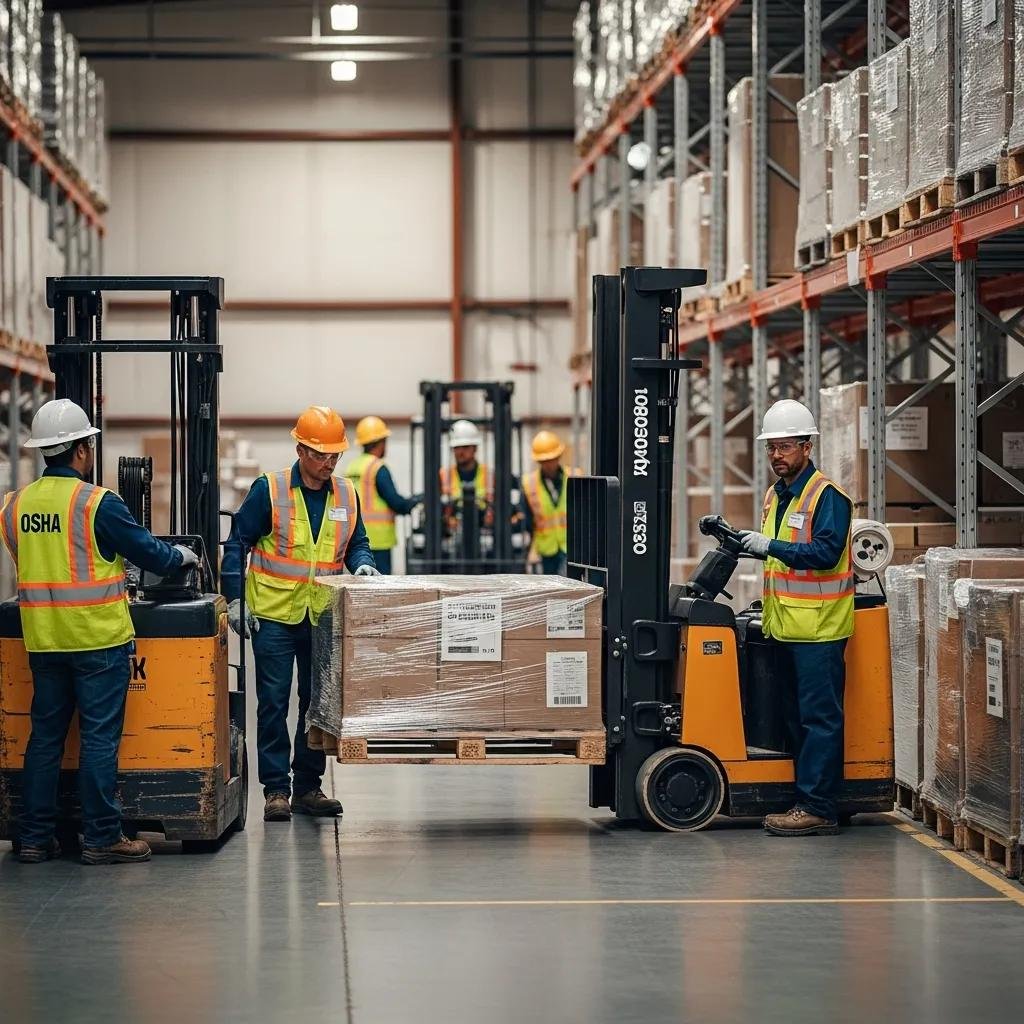
- Forklift Safety Regulations: Mandates training and certification for forklift operators.
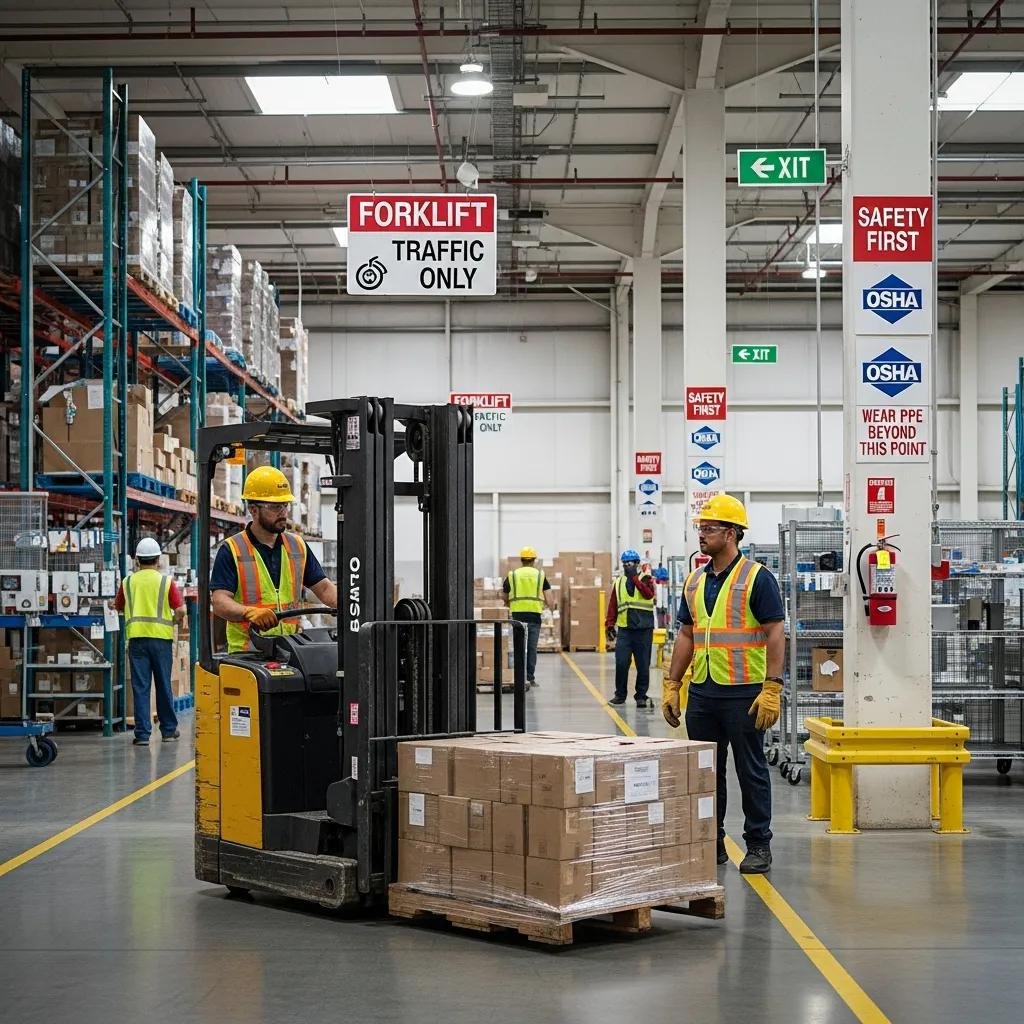
- Personal Protective Equipment (PPE): Employers must provide appropriate PPE for identified hazards.
Knowing these core rules is the starting point for protecting staff and staying compliant.
How do warehouse safety checklists support compliance?
Checklists make inspections consistent and document safety efforts.
- Systematic Inspections: Regular checklists ensure all safety areas are reviewed.
- Documentation: Checklists create a record useful for inspections and trend analysis.
- Employee Accountability: Clear assignments build a culture of responsibility.
Use checklists to standardize inspections, preserve records, and assign responsibility.
How to Develop an Effective OSHA Compliance Program for Warehouses?
Build a program that fits your facility: clear policies, practical procedures, assigned ownership, and regular review.
Indeed, the evolution of safety management underscores OSHA’s increasing emphasis on formal safety programs and new regulations designed to prevent incidents and injuries.
OSHA’s Formal Safety Programs for Warehouse Incident Prevention
Warehouse safety: a practical guide to preventing warehouse incidents and injuries, 1999
What are the essential steps to create a warehouse OSHA compliance program?
- Conduct a Safety Audit: Assess practices and identify improvements.
- Develop Safety Policies: Write clear procedures and assign roles.
- Implement Training Programs: Train employees on controls and emergencies.
- Establish Reporting Procedures: Make reporting simple for incidents and near misses.
These steps create a proactive, safety-first culture.
How can risk assessments and hazard prevention be integrated into the program?
Integrate regular risk assessments, preventive controls, and continued monitoring so you act before incidents occur.
- Regular Risk Assessments: Identify hazards and evaluate risk levels.
- Preventive Measures: Apply engineering, administrative, or PPE controls.
- Continuous Monitoring: Update protocols after incidents or new information.
What Are the OSHA Training Requirements for Warehouse Staff?
Training ensures staff understand hazards, controls, and emergency actions required by OSHA.
Which training topics are mandatory under OSHA for warehouse employees?
- Hazard Communication: Chemical hazards, labeling, and SDS use.
- Forklift Operation: Safe operation and certification requirements.
- Emergency Procedures: Evacuation and response protocols.
- Personal Protective Equipment (PPE): Correct selection, use, and care.
Cover these core areas to equip employees for safe work.
How to Manage Incident Reporting and Continuous Safety Improvement in Warehouses?
Clear reporting procedures and a continuous-improvement cycle let you learn from events and reduce recurrence.
What are OSHA’s recordkeeping and incident reporting requirements?
- Recordkeeping: Keep an OSHA log (Form 300) of work-related injuries and illnesses.
- Reporting: Report fatalities and severe incidents to OSHA within required timeframes.
How do safety audits contribute to ongoing warehouse compliance?
- Identifying Non-Compliance: Find areas that need correction to meet OSHA standards.
- Enhancing Safety Culture: Regular audits reinforce accountability and improvement.
- Data-Driven Decisions: Use findings to prioritise fixes and training.
Conclusion
Understanding and implementing OSHA guidelines is essential for warehouse safety and compliance. Build a tailored compliance program, provide focused training, maintain accurate records, and use incident data to drive continuous improvements. Prioritise safety to protect your workforce and improve operational performance.
OSHA Guidelines for Warehouses: How to Build a Compliant Program
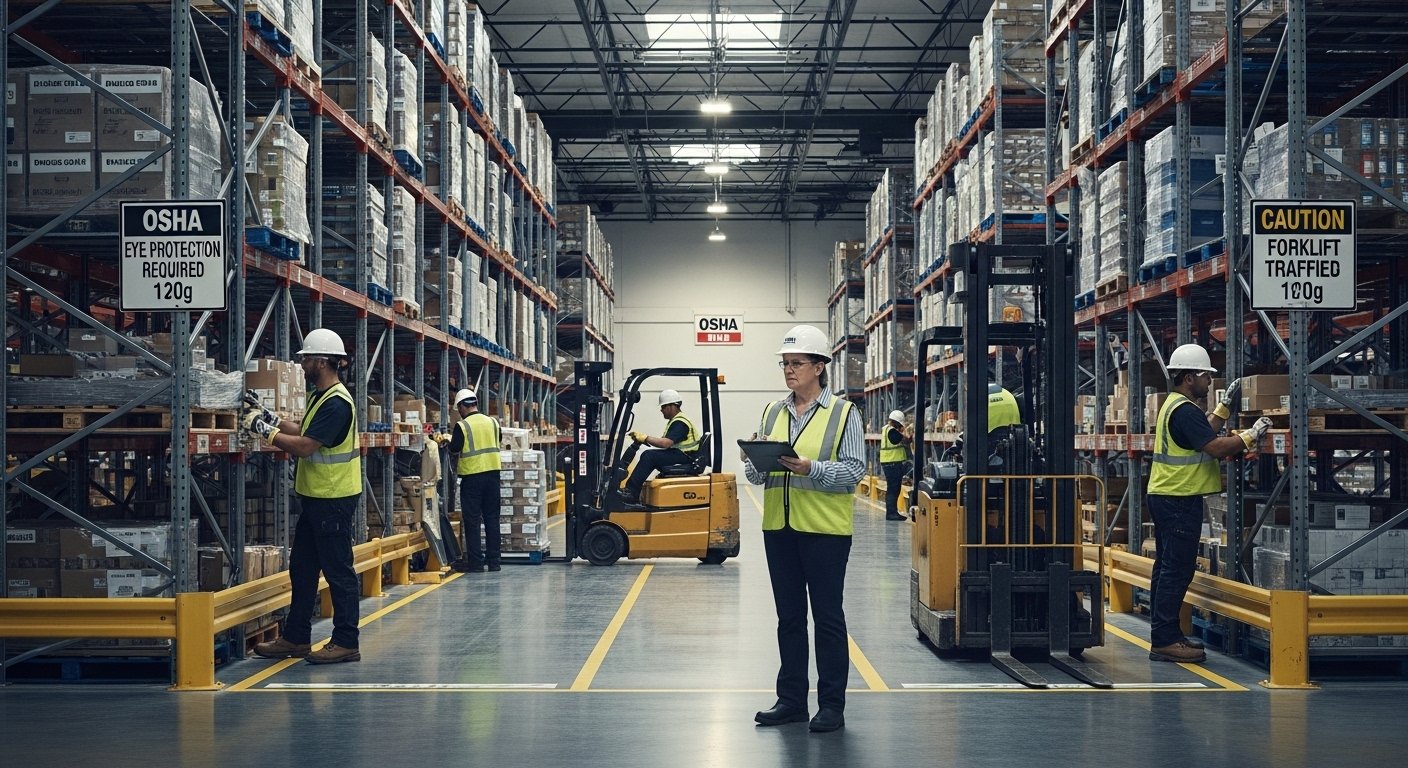
Warehouse safety protects people and helps you meet OSHA requirements. This article summarizes key OSHA guidelines, steps to build a compliant program, core staff training topics, incident reporting, and continuous improvement practices to reduce risk.
What Are the Key OSHA Warehouse Safety Standards to Know?
OSHA defines standards for common warehouse hazards, covering material handling, equipment use, chemical communication, and general workplace safety. Compliance reduces accidents and regulatory exposure.
Which OSHA regulations apply specifically to warehouse environments?
Several OSHA regulations are especially relevant:
- General Duty Clause: Employers must provide a workplace free from recognized hazards.
- Hazard Communication Standard (HCS): Requires proper labeling and safety data sheets for hazardous materials.
- Forklift Safety Regulations: Mandates training and certification for forklift operators.
- Personal Protective Equipment (PPE): Employers must provide appropriate PPE for identified hazards.
Knowing these core rules is the starting point for protecting staff and staying compliant.
How do warehouse safety checklists support compliance?
Checklists make inspections consistent and document safety efforts.
- Systematic Inspections: Regular checklists ensure all safety areas are reviewed.
- Documentation: Checklists create a record useful for inspections and trend analysis.
- Employee Accountability: Clear assignments build a culture of responsibility.
Use checklists to standardize inspections, preserve records, and assign responsibility.
How to Develop an Effective OSHA Compliance Program for Warehouses?
Build a program that fits your facility: clear policies, practical procedures, assigned ownership, and regular review.
Indeed, the evolution of safety management underscores OSHA’s increasing emphasis on formal safety programs and new regulations designed to prevent incidents and injuries.
OSHA’s Formal Safety Programs for Warehouse Incident Prevention
Warehouse safety: a practical guide to preventing warehouse incidents and injuries, 1999
What are the essential steps to create a warehouse OSHA compliance program?
- Conduct a Safety Audit: Assess practices and identify improvements.
- Develop Safety Policies: Write clear procedures and assign roles.
- Implement Training Programs: Train employees on controls and emergencies.
- Establish Reporting Procedures: Make reporting simple for incidents and near misses.
These steps create a proactive, safety-first culture.
How can risk assessments and hazard prevention be integrated into the program?
Integrate regular risk assessments, preventive controls, and continued monitoring so you act before incidents occur.
- Regular Risk Assessments: Identify hazards and evaluate risk levels.
- Preventive Measures: Apply engineering, administrative, or PPE controls.
- Continuous Monitoring: Update protocols after incidents or new information.
What Are the OSHA Training Requirements for Warehouse Staff?
Training ensures staff understand hazards, controls, and emergency actions required by OSHA.
Which training topics are mandatory under OSHA for warehouse employees?
- Hazard Communication: Chemical hazards, labeling, and SDS use.
- Forklift Operation: Safe operation and certification requirements.
- Emergency Procedures: Evacuation and response protocols.
- Personal Protective Equipment (PPE): Correct selection, use, and care.
Cover these core areas to equip employees for safe work.
How to Manage Incident Reporting and Continuous Safety Improvement in Warehouses?
Clear reporting procedures and a continuous-improvement cycle let you learn from events and reduce recurrence.
What are OSHA’s recordkeeping and incident reporting requirements?
- Recordkeeping: Keep an OSHA log (Form 300) of work-related injuries and illnesses.
- Reporting: Report fatalities and severe incidents to OSHA within required timeframes.
How do safety audits contribute to ongoing warehouse compliance?
- Identifying Non-Compliance: Find areas that need correction to meet OSHA standards.
- Enhancing Safety Culture: Regular audits reinforce accountability and improvement.
- Data-Driven Decisions: Use findings to prioritise fixes and training.
Conclusion
Understanding and implementing OSHA guidelines is essential for warehouse safety and compliance. Build a tailored compliance program, provide focused training, maintain accurate records, and use incident data to drive continuous improvements. Prioritise safety to protect your workforce and improve operational performance.