
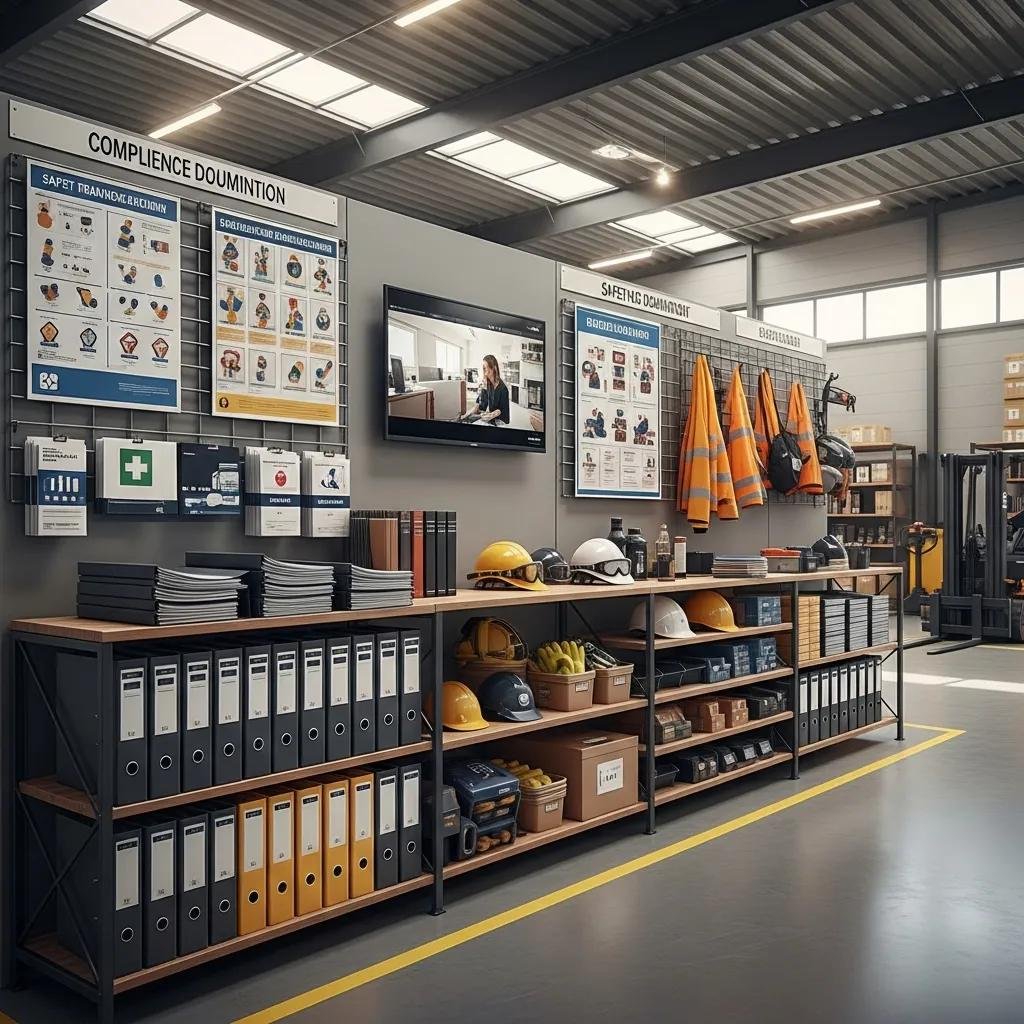
Warehouse Compliance Documentation: What to Keep and Where
Warehouse compliance documentation demonstrates your operation meets regulatory and safety standards. This guide lists the documents you must keep, recommended retention windows, and simple systems to organise records for audits. Poor documentation increases inspection risk and penalties; following the steps below helps you stay inspection-ready while reducing administrative overhead.
What Are the Essential Warehouse Compliance Documents to Keep?
The core documents — safety manuals, training records, and inspection reports — prove legal and safety compliance and reveal improvement opportunities. Well-organised records lower audit risk and make operational gaps easier to address.
Quantum Warehouse Solutions specialises in delivering warehouse compliance services focused on documentation management, audit preparation, and regulatory adherence to help ensure required records are in place.
Which Inspection Reports and Safety Certificates Are Required?

Inspection reports and safety certificates form the backbone of compliance. Typical required reports include:
- Fire Safety Inspection Reports: Verify fire systems and suppression equipment are functional.
- Health and Safety Audits: Identify hazards and confirm adherence to OSHA and local rules.
- Equipment Inspection Certificates: Record maintenance for forklifts, conveyors, and machinery.
Keeping these reports current improves safety and reduces fines.
What Records Should Be Maintained for Regulatory Adherence?
- Training Records: Proof employees completed required safety training.
- Incident Reports: Documentation for investigations and corrective actions.
- Inventory Records: Critical for tracking goods, especially hazardous materials.
Together, these records create a verifiable audit trail for regulators.
How Long Should Warehouse Compliance Records Be Retained?
What Are the Legal Retention Periods for Audit Documentation?
- Financial Records: Typically 7 years.
- Employee Training Records: Duration of employment + 2 years.
- Incident Reports: Minimum 5 years.
What Are Best Practices for Compliance Record Keeping Duration?
- Regular Reviews: Remove outdated records.
- Legal Compliance Checks: Update retention policies as laws change.
- Document Management System: Automate retention tracking.
How to Prepare and Organize Warehouse Documentation for Audits?
What Is Included in a Warehouse Audit Checklist?
- Documentation Review: Ensure all records are current and accessible.
- Safety Equipment Checks: Verify inspection logs and condition.
- Training Verification: Match staff roles with certifications.
Who Is Responsible for Maintaining Compliance Records?
- Warehouse Managers: Overall compliance responsibility.
- Safety Officers: Maintain safety documentation.
- Administrative Staff: Organise and retrieve records.
What Digital Solutions Enhance Compliance Documentation Management?
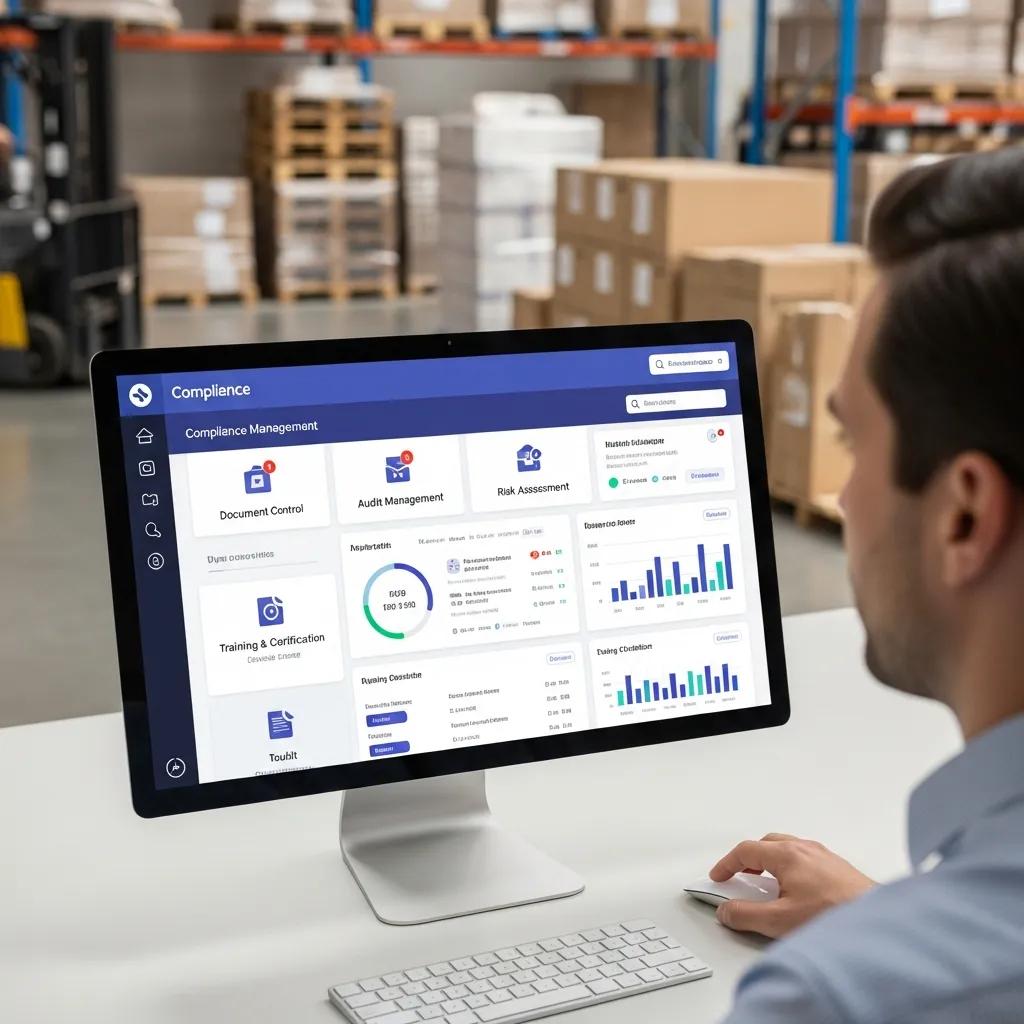
Digital tools reduce manual effort and improve audit readiness. See warehouse compliance documentation services for implementation support.
- Automated Storage: Organises and archives records.
- Expiration Tracking: Alerts for expiring certifications.
- Real-Time Collaboration: Enables multi-user updates.
What Are the Benefits of Digital Documentation?
- Accessibility: Instant remote access.
- Organisation: Faster retrieval.
- Proactive Compliance: Early issue detection.
Frequently Asked Questions
What are the consequences of non-compliance?
Fines, shutdowns, legal penalties, and reputational damage.
How should staff be trained?
Use structured training programs with documented completion tracking.
How often should records be reviewed?
At least quarterly or after regulatory changes.
Key Takeaways: Organizing Warehouse Compliance DocumentationConclusion
Organised compliance documentation ensures safety, efficiency, and regulatory adherence. Using digital systems and structured processes reduces risk and improves audit readiness.