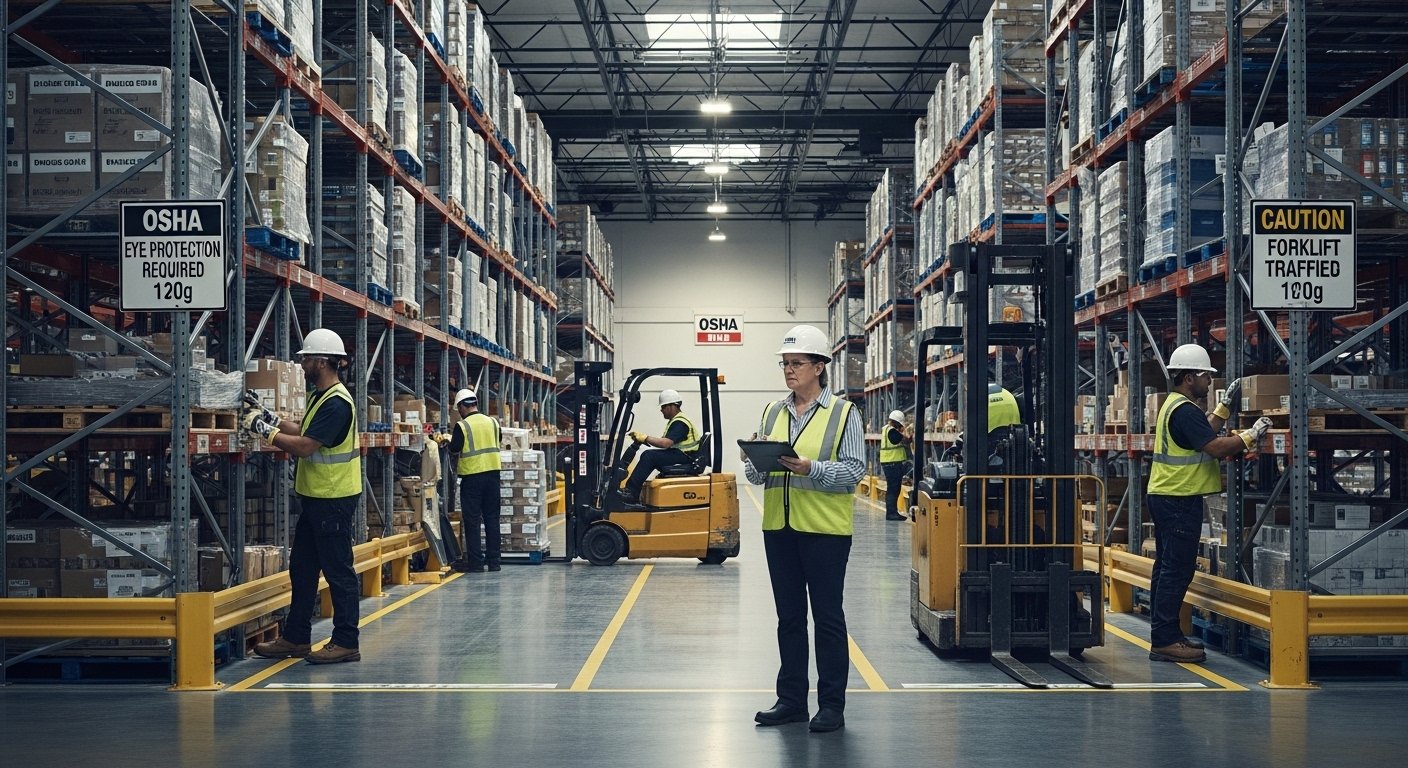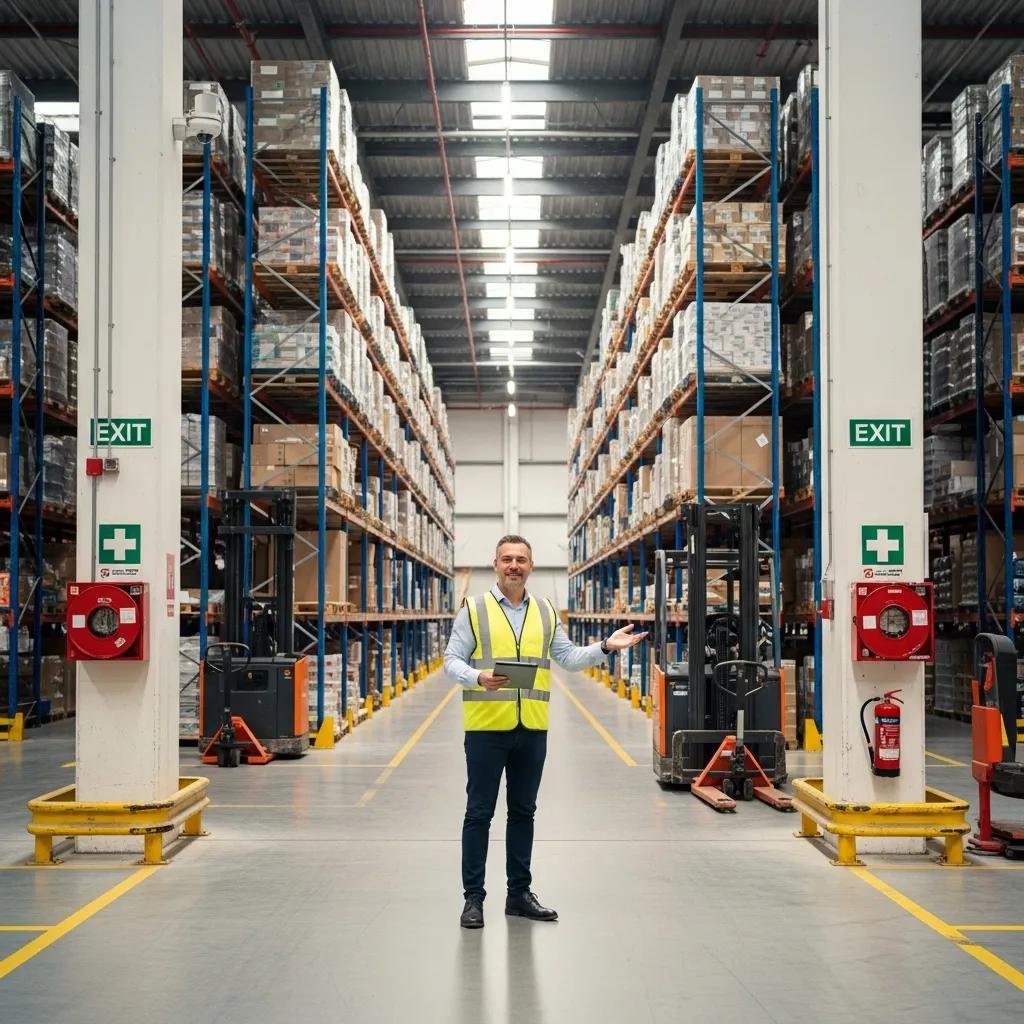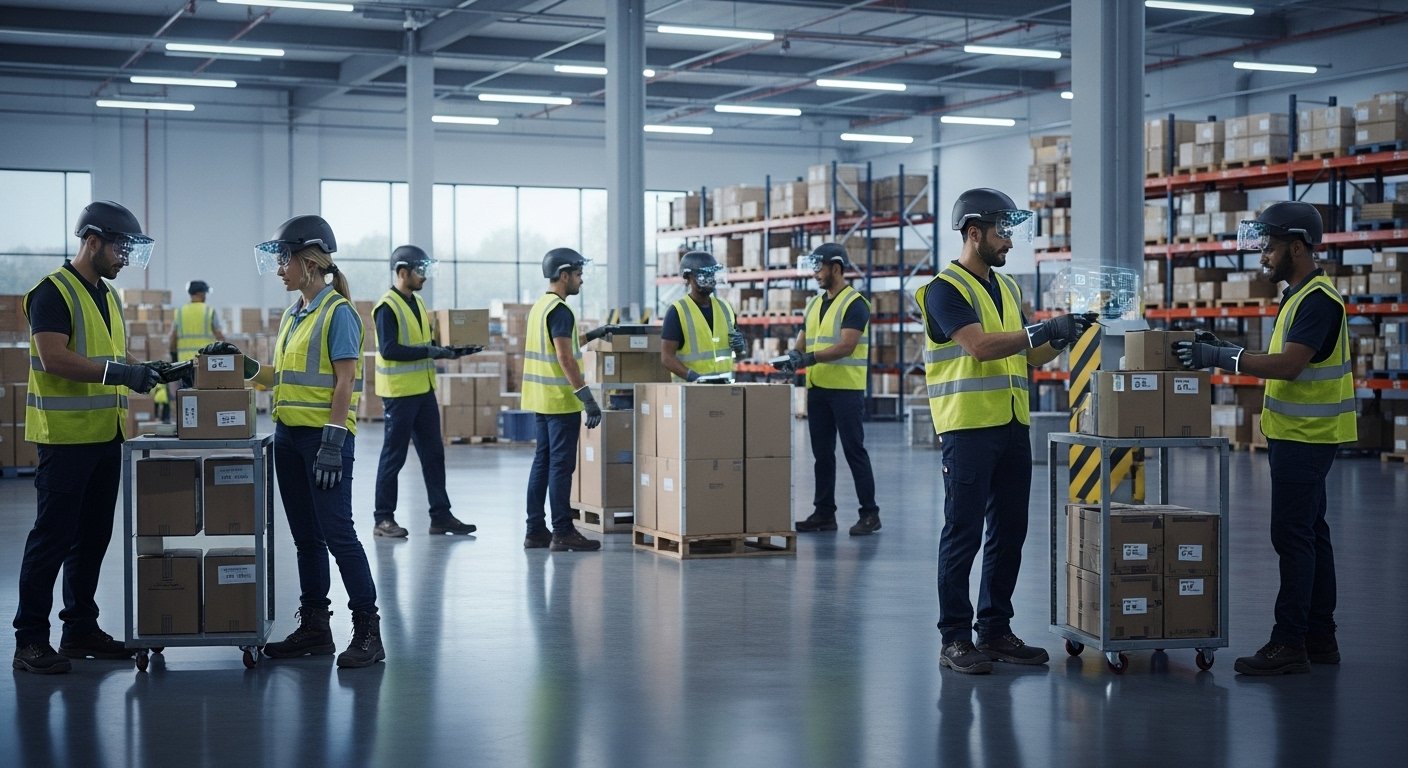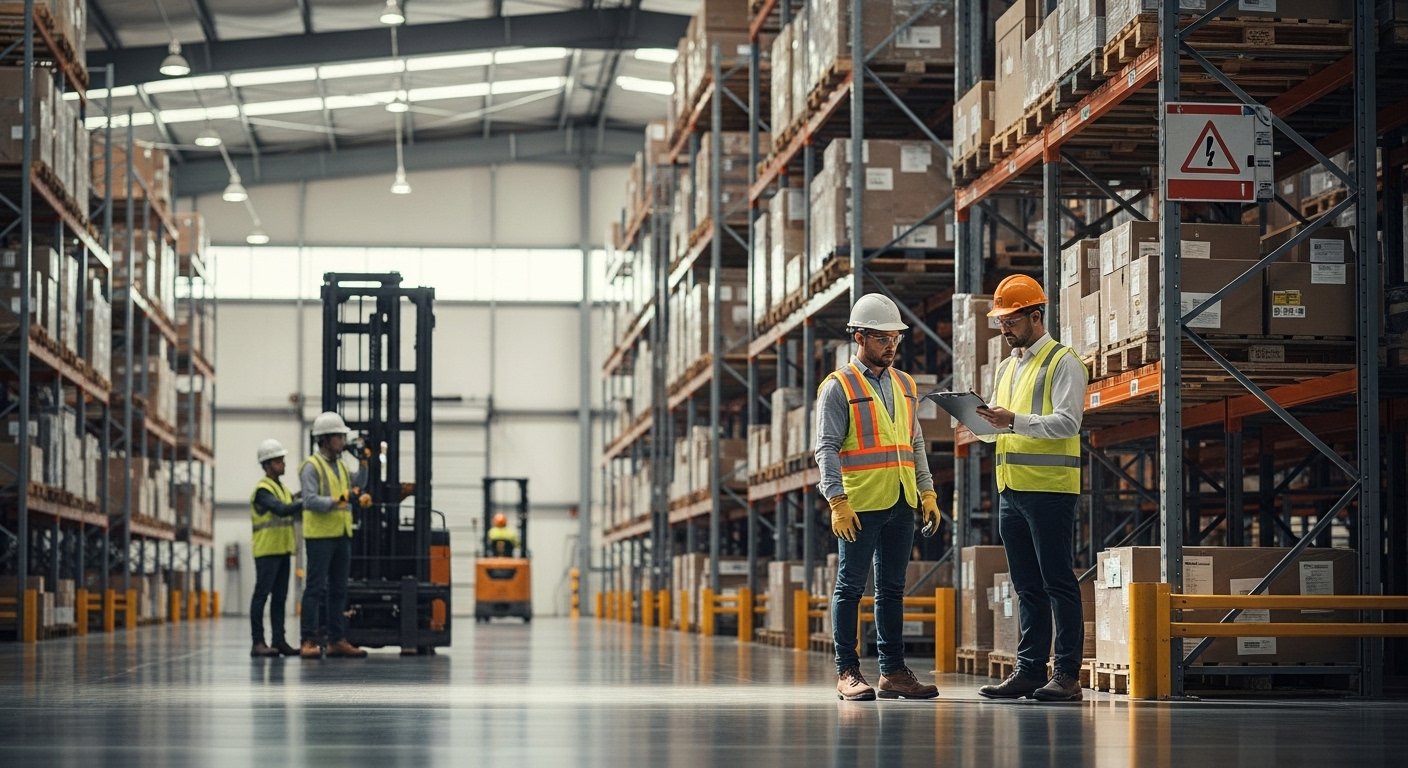
Warehouse housekeeping is essential for operational efficiency and workplace safety in industrial settings, covering practices that keep facilities clean, organised and compliant with safety rules. Good housekeeping improves functionality and lowers accident risk. This article outlines key standards, the effect of OSHA rules, cleaning procedures, audits and training so managers can run safer, more efficient operations.

What Are the Key Warehouse Housekeeping Standards?

Housekeeping standards define routines, storage rules and training needed to keep the workplace clean and safe. Regular cleaning schedules, correct storage practices and staff training reduce hazards and improve operational efficiency.

Definition and Importance of Warehouse Housekeeping

Warehouse housekeeping is a systematic approach to keeping facilities clean and orderly. It reduces accidents from clutter or hazardous materials and speeds operations by cutting the time spent locating tools and materials.

Lack of proper housekeeping can severely impair operational efficiency and waste valuable storage space.

5S for Warehouse Housekeeping & Efficiency

Housekeeping was not adopted in GSDW, which resulted in low space utilization, unnecessary movements and unclean work areas.

An efficient drug warehouse operations: An application of 5S, A Dixit, 2019

Core Procedures and Best Practices for Industrial Warehouse Cleaning

Core procedures and best practices are vital for effective cleaning. Key practices include:

  1. Regular Inspections: Conduct routine checks to identify and address potential hazards.
  2. Use of Personal Protective Equipment (PPE): Ensure employees wear appropriate safety gear during cleaning tasks.
  3. Clear Pathways: Keep aisles and emergency exits free from obstructions to facilitate safe movement.

These measures improve safety and promote a culture of responsibility among staff.

Quantum Warehouse Solutions specialises in consulting and operational services that boost warehouse safety and efficiency, including compliance audits, safety training and housekeeping standards implementation tailored to warehouse needs.

How Do Warehouse Safety Requirements and OSHA Compliance Impact Housekeeping?

OSHA and other safety requirements shape housekeeping practices. Meeting these regulations protects employees and helps avoid legal penalties.

Understanding OSHA Standards Relevant to Warehouse Housekeeping

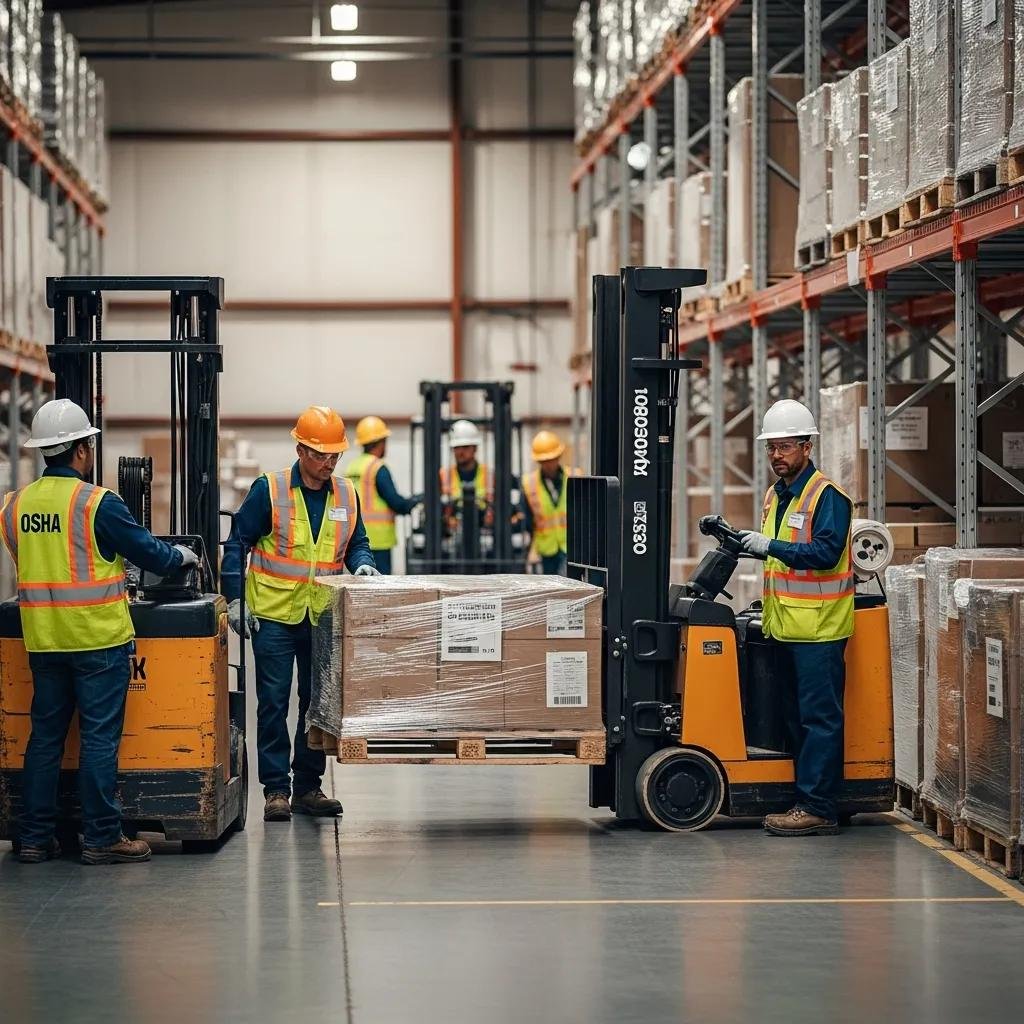
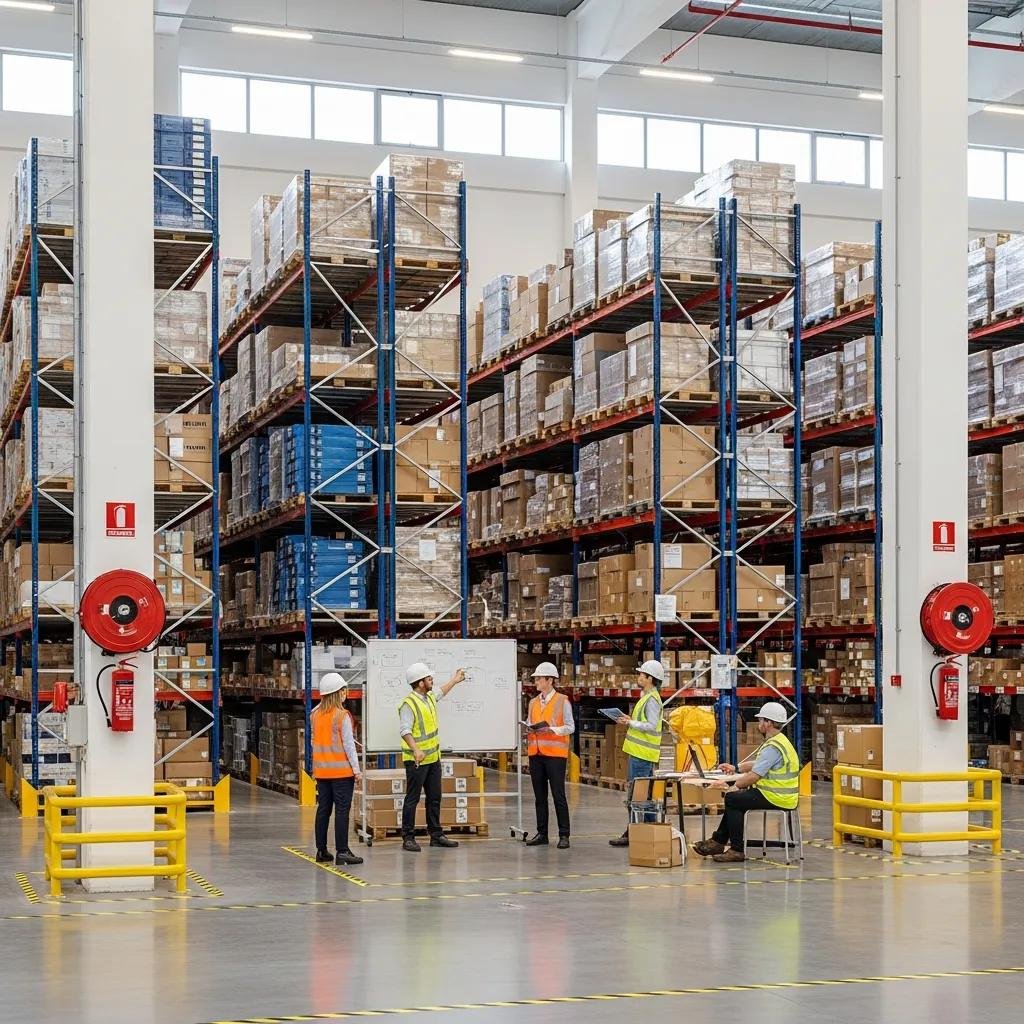
Warehouse safety training session with employees learning about OSHA standards

Relevant OSHA standards cover hazard communication, personal protective equipment and general housekeeping practices. These rules protect staff from workplace hazards, so managers must understand them to ensure compliance and a safe environment.

Since OSHA’s introduction, safety practices in warehousing changed significantly, with more inspections and frequent citations in many operations.

OSHA’s Impact on Warehouse Safety & Compliance

The Occupational Safety and Health Act, passed in 1970, had a major effect on the warehousing sector and other high-risk industries. Enforcement was strict in the first decade, and many warehouses were found in violation. In one survey, nearly one-third of public warehouse operators reported recent OSHA inspections, and more than half of those inspected received citations. No separate figures are available for private warehouses, and their safety procedures were likely similar.

Safety, Sanitation and Housekeeping, 1990

Warehouse OSHA Compliance Checklist for Safety and Maintenance

A comprehensive OSHA checklist for warehouse housekeeping should include:

  • Regular Safety Audits: Conduct audits to ensure adherence to safety protocols.
  • Training Programs: Implement training sessions for employees on safety practices and emergency procedures.
  • Documentation: Keep accurate records of safety inspections and training sessions.

Use this checklist to maintain compliance and ongoing safety in the warehouse.

Quantum Warehouse Solutions provides consulting to help businesses meet OSHA requirements and implement safety standards effectively.

What Are Effective Warehouse Cleaning Procedures and Maintenance Checklists?

Cleaning procedures and maintenance checklists keep warehouses safe and efficient by standardising tasks and ensuring protocols are followed consistently.

Step-by-Step Industrial Warehouse Cleaning Protocols

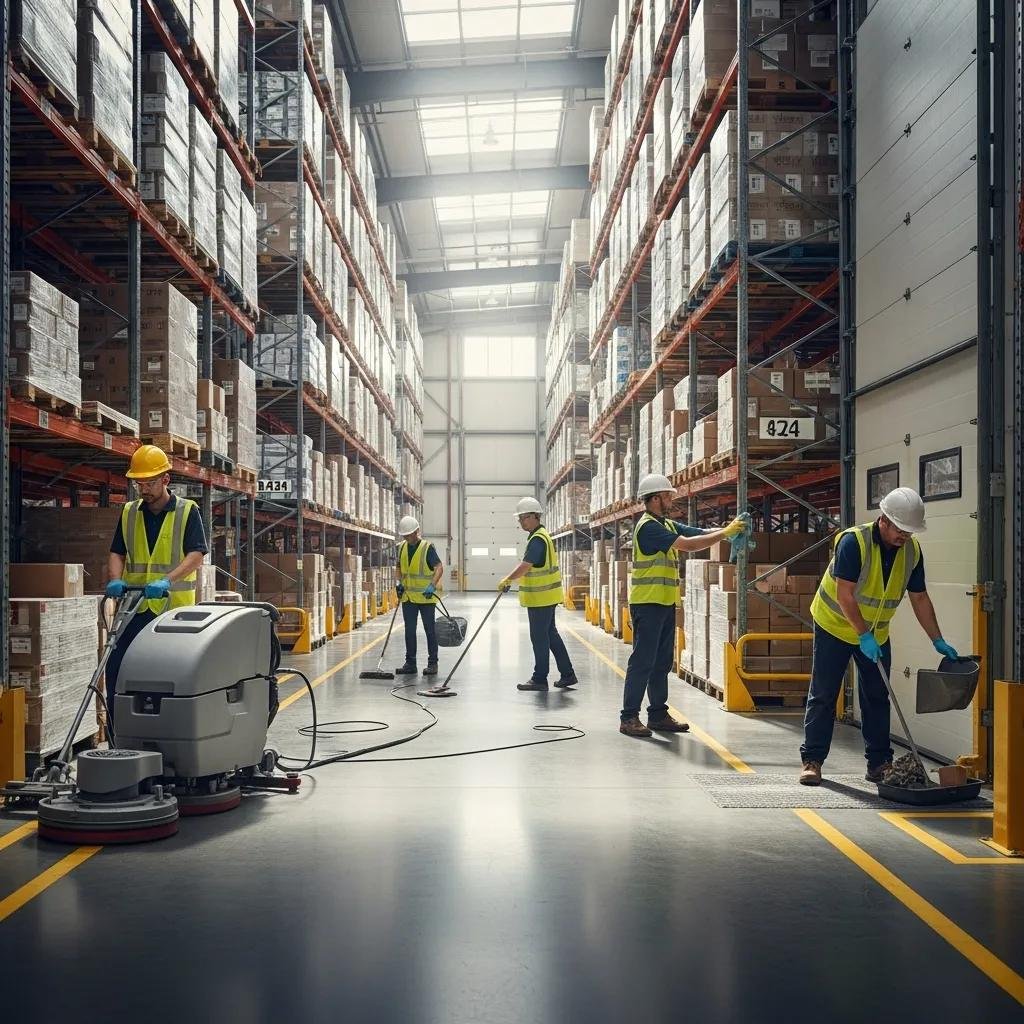
Warehouse worker cleaning an aisle, showcasing effective cleaning procedures

Step-by-step cleaning protocols improve warehouse safety. Key steps include:

  1. Initial Assessment: Evaluate cleaning needs and identify hazardous areas.
  2. Cleaning Schedule: Establish a regular cleaning timetable to ensure consistency.
  3. Final Inspection: Conduct a thorough inspection after cleaning to confirm all areas are safe and compliant.

These steps help maintain a clean and organized warehouse environment.

Using Maintenance Checklists to Ensure Ongoing Warehouse Safety

Maintenance checklists ensure safety measures are carried out consistently and should include:

  • Daily Cleaning Tasks: Routine cleaning activities that need to be performed.
  • Weekly Inspections: Regular checks to identify any maintenance needs or safety hazards.
  • Employee Training Updates: Ensure all staff are up-to-date with safety training.

Using checklists helps managers keep safety a top priority.

How Can Compliance Audits and Safety Training Improve Warehouse Housekeeping?

Audits and safety training are key components of strong housekeeping. They reveal hazards and ensure employees understand procedures and expectations.

Role of Compliance Audits in Hazard Identification and Risk Mitigation

Compliance audits identify hazards by reviewing safety practices and procedures, allowing managers to target improvements that reduce accidents and raise overall safety.

Designing Safety Training Programs to Enhance Employee Engagement and Awareness

Good safety training builds a culture of safety. Key elements include:

  • Interactive Learning: Engage employees through hands-on training and simulations.
  • Regular Updates: Keep training materials current with the latest safety regulations and practices.
  • Feedback Mechanisms: Encourage employees to provide feedback on training effectiveness and safety concerns.

By investing in comprehensive safety training, managers can increase employee engagement and awareness, which leads to a safer workplace.

Adhering to warehouse housekeeping standards is essential for safety and operational efficiency. Applying effective cleaning procedures, understanding OSHA requirements and investing in training help managers build a safer, more productive workplace.

Frequently Asked Questions

What are the benefits of maintaining a clean warehouse environment?

A clean warehouse boosts safety, efficiency and staff morale. It reduces accident risks from clutter or hazardous materials, keeps storage organised and pathways clear, and helps employees find tools and materials faster. That leads to higher productivity, less downtime and better employee satisfaction.

How often should warehouse cleaning be performed?

Cleaning frequency depends on operations, volume and regulations. Daily tasks maintain basic hygiene and safety; deeper cleaning should occur weekly or monthly as needed. Regular inspections identify areas needing extra attention. A consistent cleaning schedule reduces accidents and keeps the workplace safe.

What types of personal protective equipment (PPE) are recommended for warehouse cleaning?

Recommended PPE includes gloves, safety goggles, masks and non-slip footwear. Gloves protect hands from chemicals and sharp objects; goggles shield eyes from dust and debris; masks protect against fumes; and non-slip footwear helps prevent falls. Providing the correct PPE protects staff and supports regulatory compliance.

How can technology improve warehouse housekeeping practices?

Technology improves housekeeping through automation, real-time monitoring and data analysis. Robotic floor scrubbers handle routine cleaning with less labour. Monitoring systems flag areas needing attention, while data tools reveal patterns to optimise schedules and allocate resources more effectively. These solutions can lower labour costs and raise safety and efficiency.

What role do employees play in maintaining warehouse housekeeping standards?

Employees are central to housekeeping: they perform cleaning tasks, follow safety protocols and spot hazards. Training equips them to keep areas safe, and encouraging feedback drives continuous improvement. When staff take ownership, the warehouse operates more safely and efficiently.

What are the consequences of neglecting warehouse housekeeping?

Neglecting housekeeping increases accidents, injuries and legal risk. Clutter and poor cleanliness cause slips, trips and falls, which can lead to injuries and costly claims. Regulatory violations may result in fines from agencies like OSHA. Poor housekeeping also hampers efficiency, causes delays and lowers employee morale. Maintaining high standards is critical for a successful operation.

Conclusion

High warehouse housekeeping standards are vital for safety and operational efficiency. Implementing effective cleaning procedures, complying with OSHA and investing in safety training reduces risk and improves productivity. Explore our consulting services to elevate your warehouse operations today.