Warehouse safety keeps operations running and people healthy. A complete safety training programme ensures compliance with health and safety rules and builds a safety-first culture. This article outlines the core elements of a warehouse safety training programme: compliance, employee training and best practices. You’ll learn why training matters, common compliance issues and how to prepare for inspections. Use these steps to reduce accidents and improve overall safety.

Introduction to Warehouse Safety

Warehouse safety covers the practices and protocols that protect staff and meet regulatory requirements. It affects health and productivity directly: compliance with OSHA and other relevant regulations cuts risk and helps maintain a safe workplace. Prioritising safety prevents accidents, lowers liability and builds a culture of safe work.

Understanding Compliance Audits

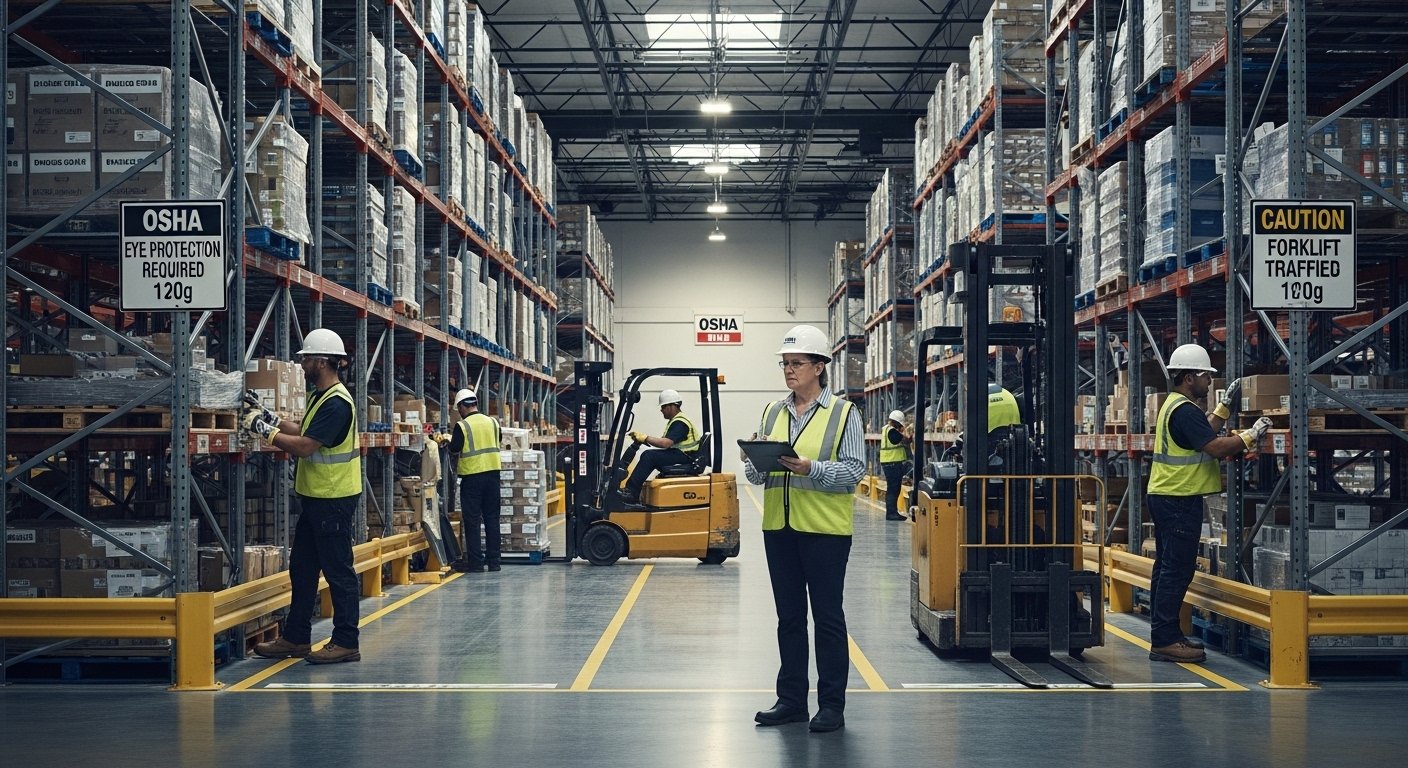
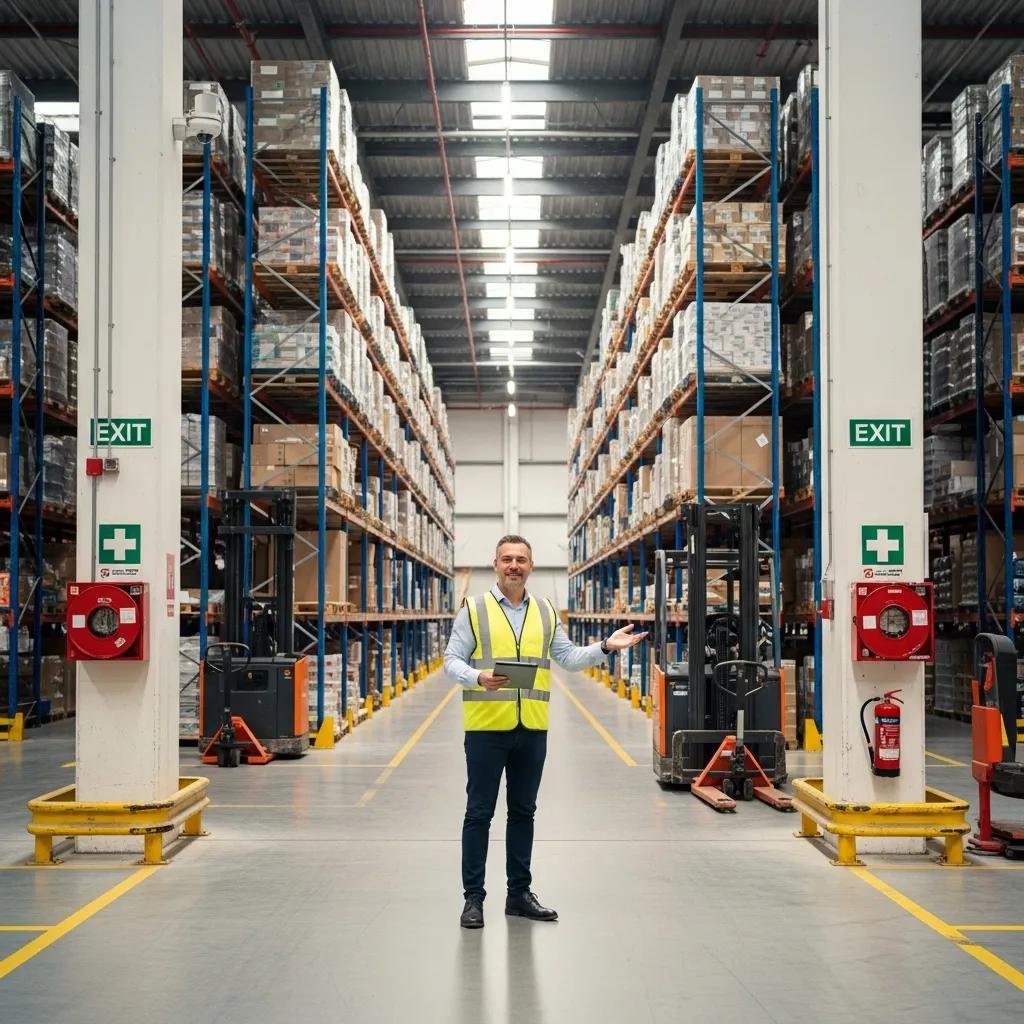
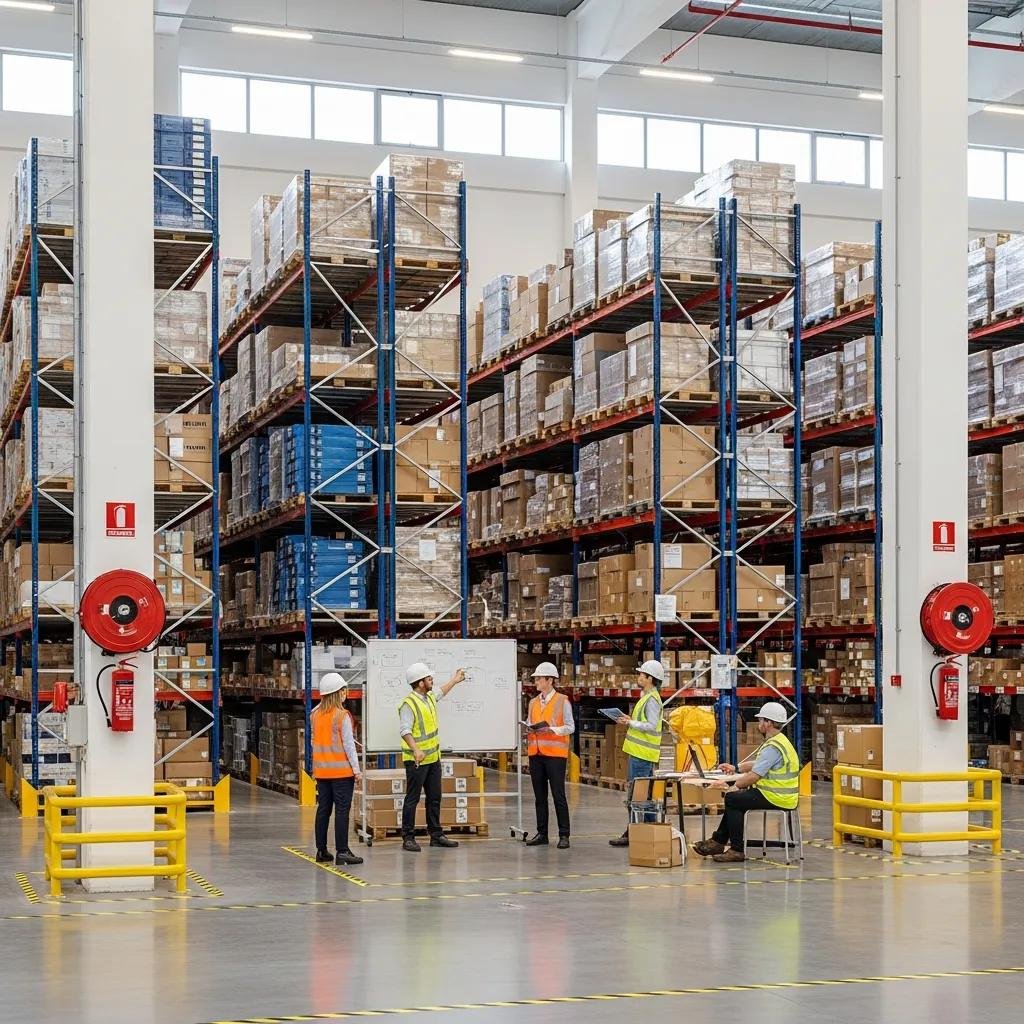
Warehouse manager conducting a compliance audit while inspecting safety protocols

Compliance audits systematically check whether a warehouse meets safety standards, uncover hazards and confirm that protocols are being followed. Audits typically review health and safety procedures, employee training records and equipment maintenance logs. Regular audits help you stay ahead of issues and keep the workplace safe.

Employee Training Programs

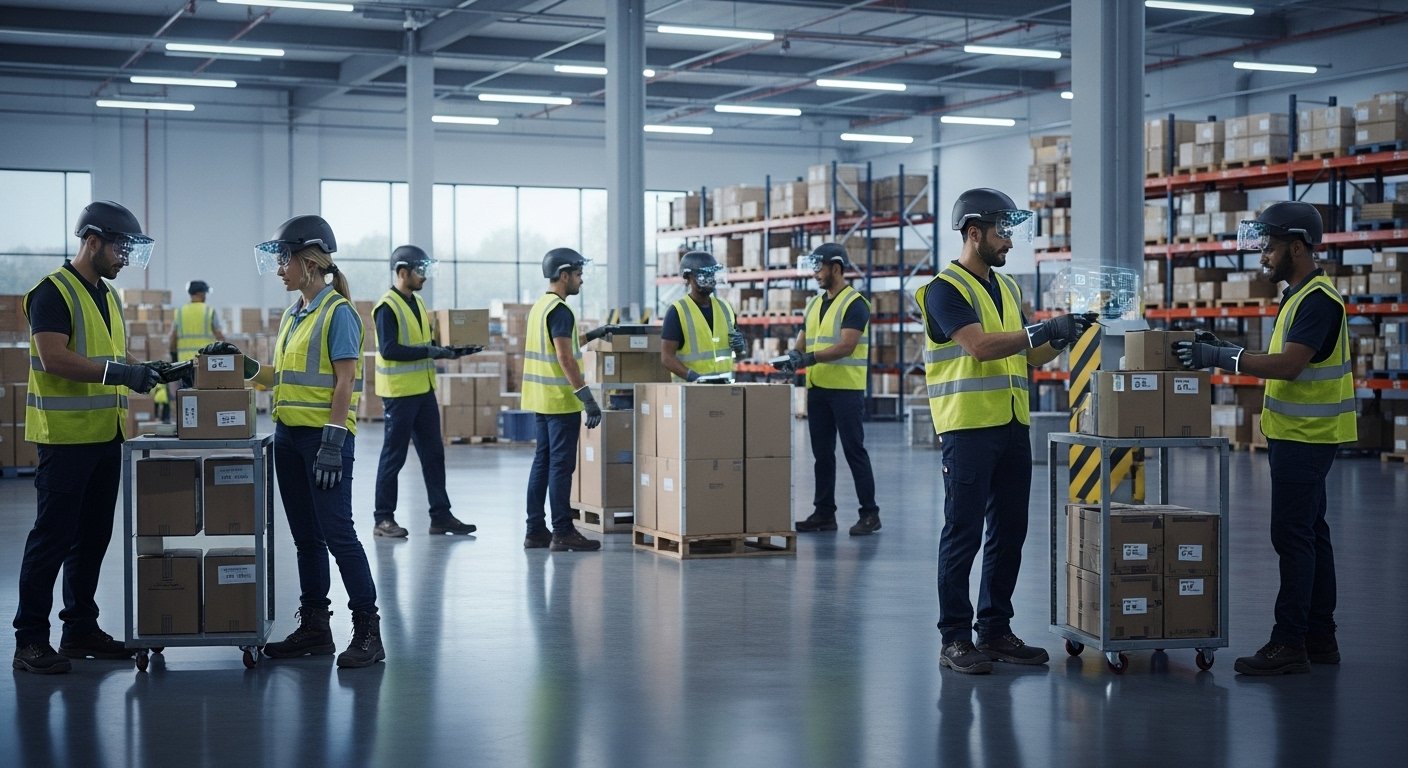
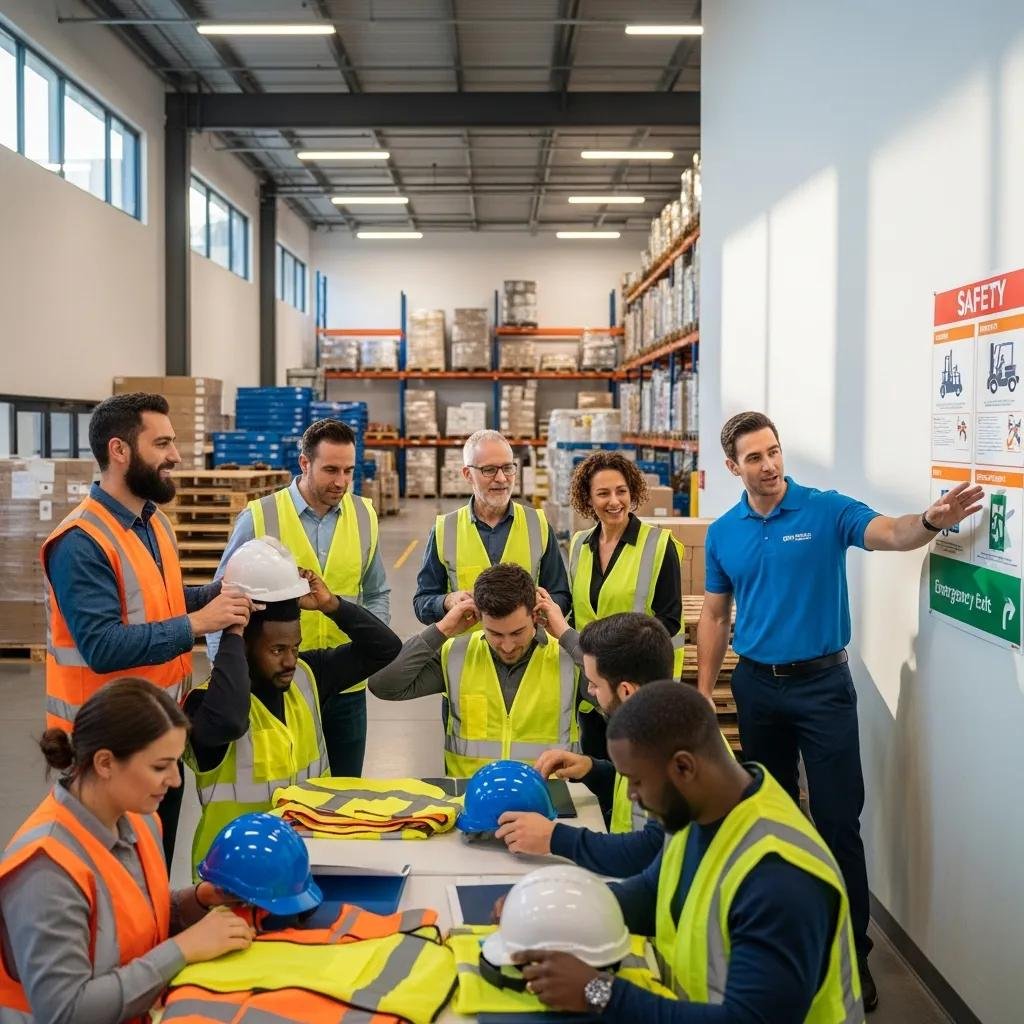
Employees participating in a hands-on training program focusing on hazard identification and safety

Training programmes give staff the knowledge and skills needed to keep the warehouse safe. Topics should include hazard identification, emergency response and correct use of personal protective equipment (PPE). Regular refresher courses keep employees current with safety protocols and compliance requirements.

Hazard identification and prevention training modules

Hazard identification modules teach staff to spot and assess risks around the warehouse, helping prevent incidents and ensuring employees can react effectively during emergencies. When staff recognise common hazards, they can take proactive steps to reduce risk.

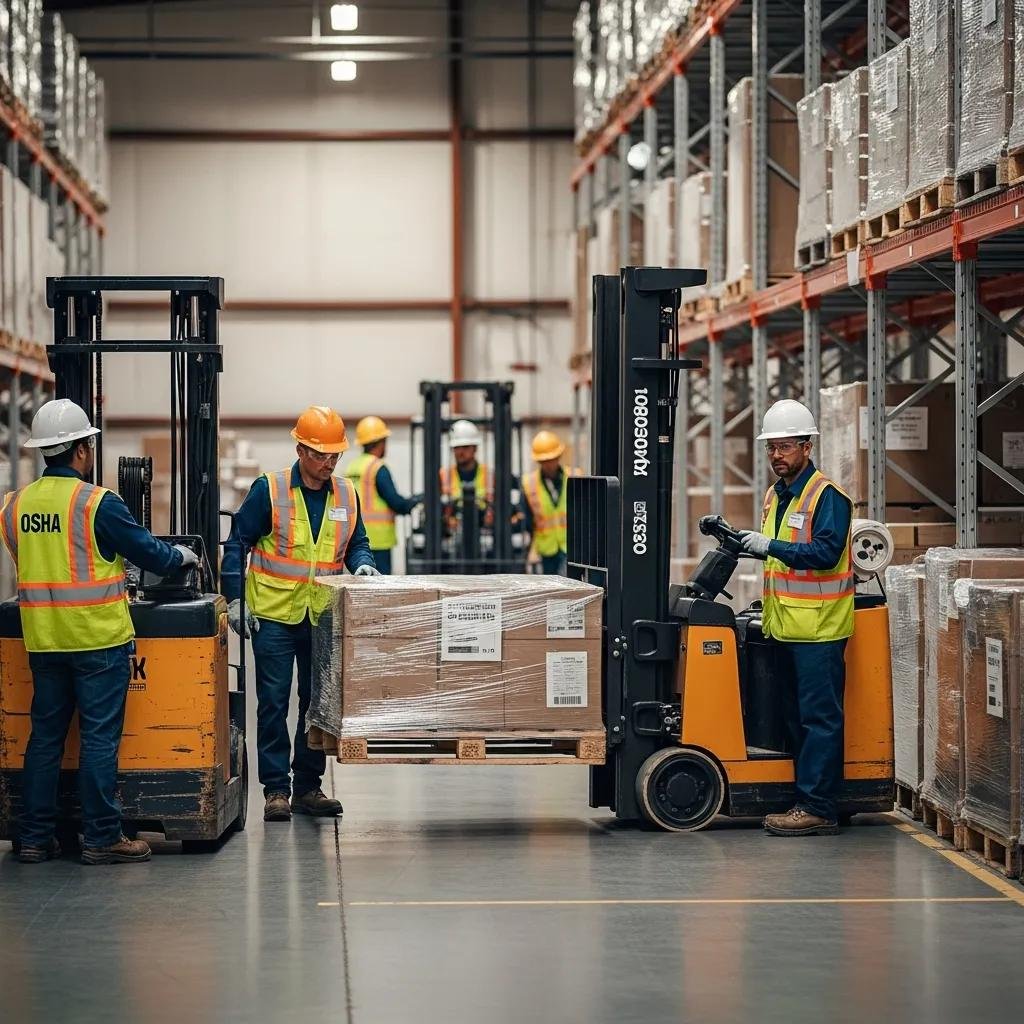
Forklift safety and equipment operation training

Forklift and equipment operation training is critical for anyone who handles heavy machinery. It covers safe operation, correct loading techniques, visibility concerns and routine maintenance. Well-trained operators reduce the likelihood of accidents and injuries.

Quantum Warehouse Solutions specializes in comprehensive warehouse safety and compliance services with a focus on tailored training programmes. Partnering with specialists helps you strengthen training and meet industry standards.

Common Compliance Issues

Spotting common compliance gaps is essential. Typical issues include improper storage, inadequate employee training and missed safety audits. Tackling these problems early helps organisations avoid fines and improve safety performance.

Quantum Warehouse Solutions can help address compliance gaps through expert consulting. Their team identifies weaknesses and develops tailored solutions to improve safety protocols.

Preparation for Warehouse Inspections

Getting ready for inspections means running internal audits and keeping accurate records of training and equipment maintenance. Being proactive in preparation shows commitment to safety and helps demonstrate compliance during inspections.

Post-Inspection Actions and Continuous Improvement

After an inspection, act quickly on any findings: implement corrective actions and encourage a culture of continuous improvement. Regularly review and update procedures to remain compliant as regulations evolve.

Utilizing Technology for Compliance Management

Technology strengthens safety compliance. Use software to track training records, schedule audits and store documentation. Automated systems reduce administrative work and improve accuracy in compliance management.

Emerging technologies such as virtual reality are proving effective for both training and auditing in warehouse environments.

VR Training for Enhanced Warehouse Safety & Risk Management

Overall, the study finds VR training valuable for designers and users to improve warehouse safety management, auditing skills and risk management practices.

Virtual reality safety training and auditing in warehouse environments: AHP and critical thinking approach, A Al-Hamad, 2025

Best Practices for Maintaining Warehouse Safety

Keeping the warehouse safe requires commitment to proven practices. Key practices include:

  1. Clear communication of safety protocols: Ensuring that all employees are aware of safety procedures and expectations is vital for compliance.
  2. Regular safety audits: Conducting frequent audits helps identify potential hazards and areas for improvement.
  3. Involvement of employees in safety discussions: Engaging employees in safety conversations fosters a culture of safety and encourages proactive risk management.

Each practice delivers specific benefits through clear mechanisms.

PracticeMechanismBenefit
Regular TrainingKnowledge enhancementReduces accidents
Safety AuditsHazard identificationImproves compliance
Employee InvolvementIncreased awarenessFosters a safety culture

The table shows how applying best practices can strengthen warehouse safety and compliance.

Frequently Asked Questions

What are the key components of a warehouse safety training program?

A full warehouse safety training programme covers hazard identification, emergency response procedures, correct use of personal protective equipment (PPE) and equipment operation training. It should include regular refresher courses to keep staff up to date. Together, these elements prepare employees to maintain a safe workplace and respond to hazards.

How often should safety audits be conducted in a warehouse?

Conduct audits regularly to ensure compliance and spot hazards. Frequency depends on warehouse size and operations, but quarterly or bi‑annual audits are common. Also run an audit after significant changes, such as new equipment or processes.

What role does technology play in warehouse safety compliance?

Technology streamlines compliance tasks and boosts efficiency. Compliance management software tracks training, schedules audits and stores documentation. Virtual reality offers immersive training and auditing that can improve understanding and retention. These tools help keep records accurate and reduce administrative load.

How can employees be encouraged to participate in safety discussions?

Invite employee input with an open-door policy and regular safety meetings. Recognise and reward contributions to safety initiatives. These steps make staff feel valued and more likely to engage in safety conversations and actions.

What should be done after a compliance inspection?

After an inspection, address identified issues without delay. Implement corrective actions and hold a debrief with staff to share findings and reinforce procedures. Focus on continuous improvement and update protocols as regulations change.

What are the benefits of involving employees in safety training?

Involving employees raises awareness and strengthens commitment to safety. Participants understand measures better and take proactive steps in hazard identification and risk management. This engagement reduces accidents and supports compliance.

How can organizations ensure continuous improvement in warehouse safety?

Drive continuous improvement by reviewing and updating protocols based on audit results, inspections and employee feedback. Track incidents and near misses to identify trends. Promote open communication and employee involvement to sustain ongoing safety enhancements.

Conclusion

A robust warehouse safety training programme is essential for compliance and employee protection. Emphasise hazard identification, employee training and regular audits to reduce accidents and build a safety culture. Use technology to improve compliance management and training effectiveness. Explore tailored safety training solutions to move toward a safer workplace.