
Prepare for a warehouse inspection by learning what inspectors check in high pile storage permit applications.
If your Texas warehouse stores materials over 12 feet high or even lower in the case of certain commodities, you likely need a high pile storage permit. However, securing that permit isn’t just about paperwork. It’s about meeting strict safety and fire code standards that local fire marshals and building inspectors enforce.
Not meeting these standards may lead to expensive project delays and potential code violations. Whether you’re applying for a new permit or prepping for a fire department inspection, understanding what inspectors look for is key to staying ahead of the curve.
This blog breaks down the inspection process, so your team can stay ready and prepared for high pile storage compliance in Texas.
What Qualifies as High Pile Storage
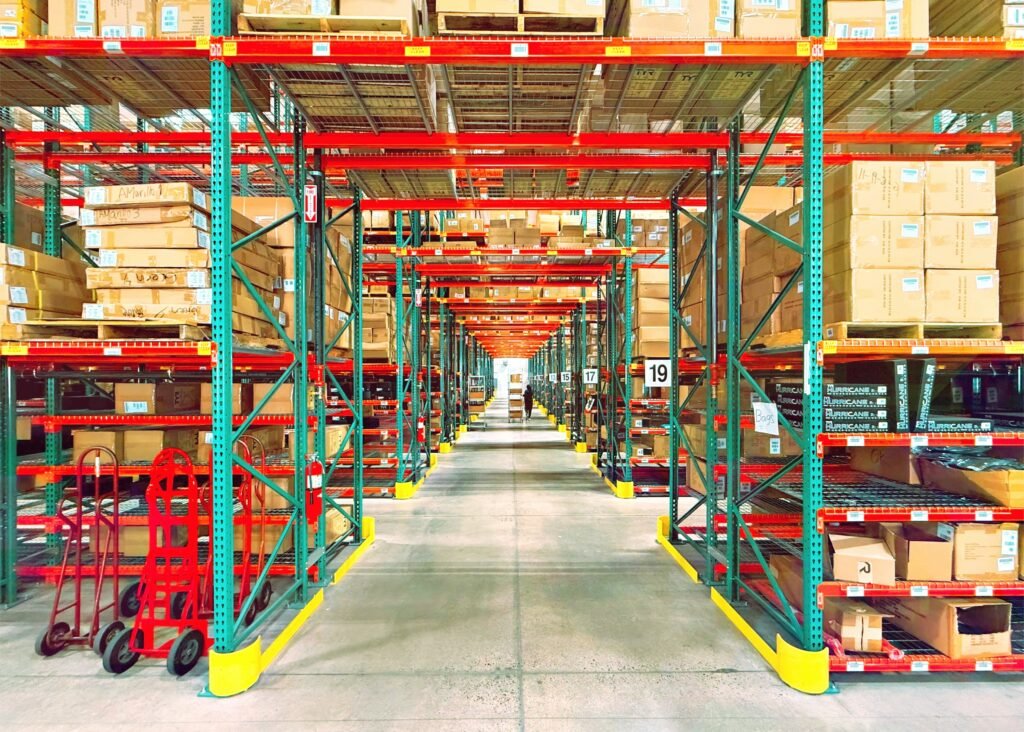
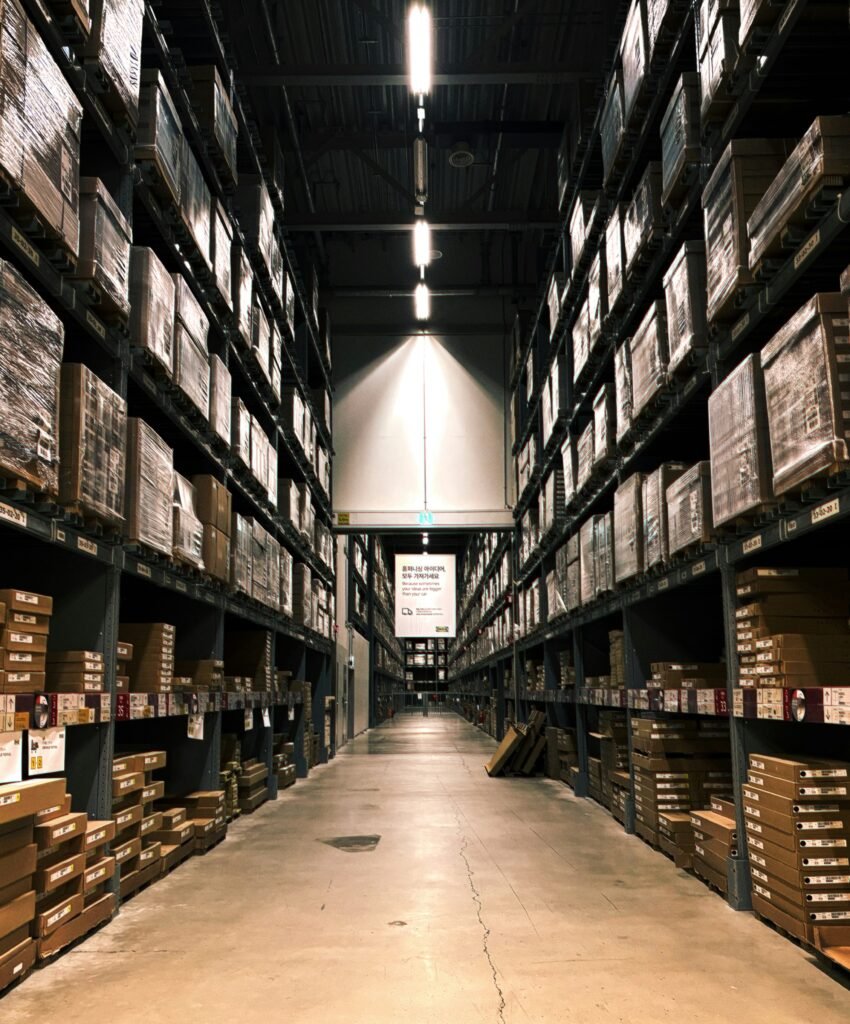
High pile storage typically refers to storing combustible materials in racks or stacks higher than 12 feet. For certain high-hazard commodities like rubber tires, flammable liquids, or Group A plastics, the threshold may be just 6 feet.
Local fire codes are aligned with the International Fire Code (IFC). These codes guide how high pile storage must be handled, including sprinkler coverage, aisle spacing, and flue space between racks.
The Role of Fire and Building Inspectors
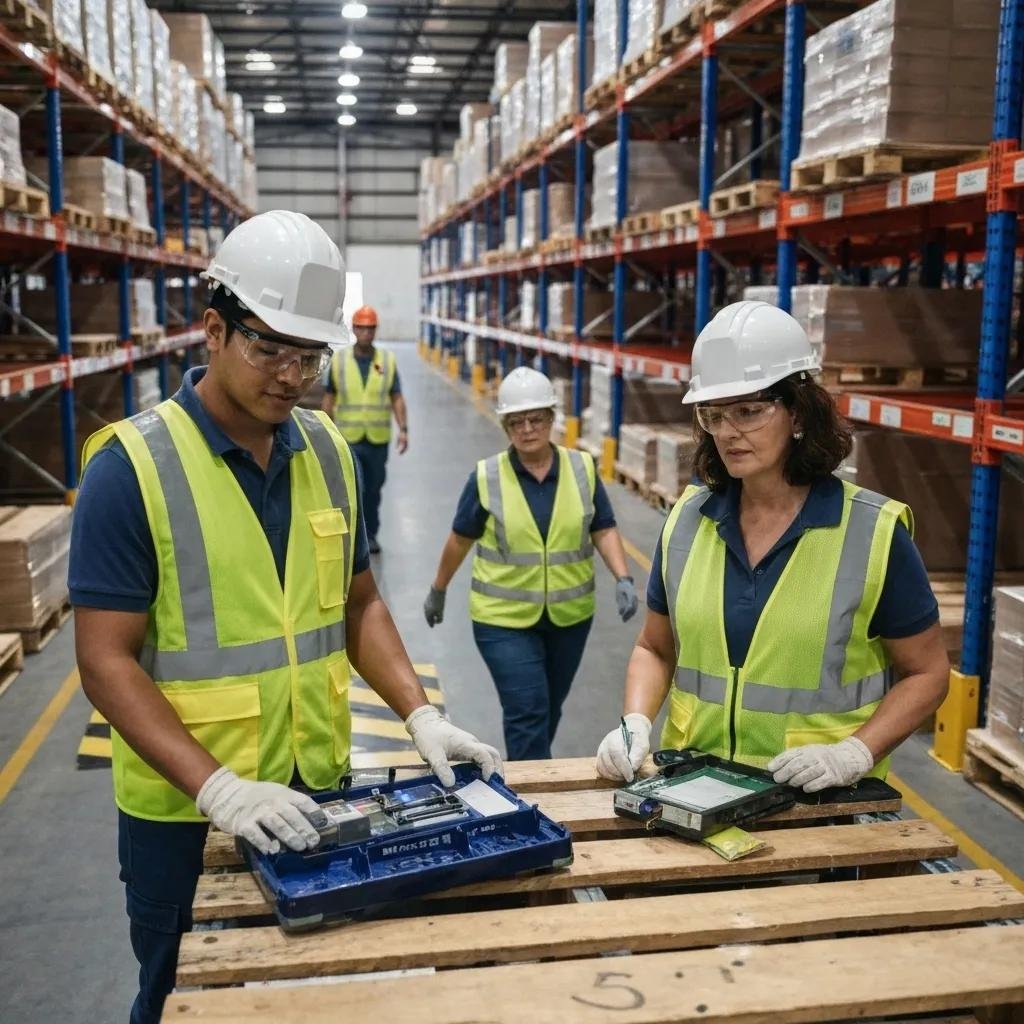
Inspectors are responsible for ensuring that your warehouse setup minimizes fire risk and maintains safe conditions for employees, emergency responders, and neighboring buildings.
Fire marshals focus on fire protection systems, materials stored, and how they’re arranged. Building officials will verify that structural layouts meet local code and that the warehouse is designed to support your intended use.
Both will review your high pile storage permitapplication and conduct on-site evaluations to verify accuracy.
Key Elements Inspectors Evaluate
Here’s what inspectors commonly check when assessing high pile storage compliance in Texas:
- Storage height and commodity class:Are you storing above the limit for your commodity type?
- Automatic fire sprinkler systems: Is your system rated to cover the height, density, and type of stored material?
- Aisle spacing: Are aisles wide enough to allow emergency access?
- Flue space and clearance:Are there vertical and horizontal gaps between loads for airflow and sprinkler reach?
- Fire department access doors:Are exterior exits accessible and labeled?
- Heat and smoke:Smoke and heat vents should be correctly installed and kept in good working condition at all times.
- Rack anchoring and seismic stability:Are your racking systems bolted and stable as required by code?
- Signage and fire extinguishers:Ensure fire extinguishers are strategically located and clearly labeled for easy access during emergencies.
Inspectors will also confirm that your layout drawingsmatch what’s physically installed.

Common Compliance Issues
Many warehouses unknowingly violate codes by making small but critical changes after permitting. Here are common issues that lead to inspection failures.
- Exceeding approved storage height
- Switching to a higher-risk commodity without updating the permit
- Do not block flue spaces with tightly packed boxes or shrink wrap as this can interfere with proper airflow and fire suppression.
- Removing or disabling sprinklers, vents, or exit signage
- Failing to maintain updated evacuation plans
Even a temporary change like storing extra seasonal goods in aisles, can be a violation during inspection.
Documentation You’ll Need
Having the correct documentation ready shows you’re serious about safety and compliance. Inspectors may ask to see:
- The original High Pile Storage Permit and warehouse layout plans
- Fire protection engineering reports
- Sprinkler system test records
- Rack installation certificates
- Evacuation maps and emergency procedures
- Maintenance logs for fire safety equipment
Keeping these records up to date and accessible will speed up the inspection process and reduce the risk of violations.
Final Steps to Achieve High Pile Storage Compliance in TexasConclusion
High pile storage regulations are a critical part of running a safe, efficient warehouse that can pass inspection without delays or penalties. Whether you’re preparing for your first inspection or renewing an existing permit, understanding what inspectors look for is the first step toward full high pile storage compliance in Texas.
Need help evaluating your warehouse or updating your storage plan? Visit Quantum Warehouse Solutionsto learn how we can assist with high pile storage permit applications and compliance audits.