
Learn about the most common warehouse compliance issues in Texas and how to prevent costly violations.
During compliance audits in Texas, even small oversights like blocked exits, expired permits, or unapproved storage configurations can lead to costly violations or shutdowns. In this post, we’ll explore the most common issues inspectors flag in Texas warehouses and share practical tips to help you stay ahead of audits and avoid unnecessary disruptions.
Compliance Pitfalls in Texas Warehouses
Fire safety lapses, narrow aisle spacing, high pile storage violations, and outdated permits are among the most common reasons Texas warehouses fail compliance audits.
-
Fire Safety Violations
Warehouse fires lead to millions in losses each year, often due to code violations that could’ve been avoided. Insufficient sprinkler coverage, blocked fire exits, or using unapproved storage materials can quickly trigger a failed inspection. Fire departments may also require special permits based on the height, location, and classification of your stored goods.
To stay compliant, perform regular in-house fire safety walkthroughs. Make sure all emergency exits are accessible, sprinkler heads aren’t obstructed, and that fire suppression systems are up to code. If your facility uses high pile storage, you may need to secure special approvals or submit detailed storage layouts for fire marshal review.
-
Improper Aisle Spacing
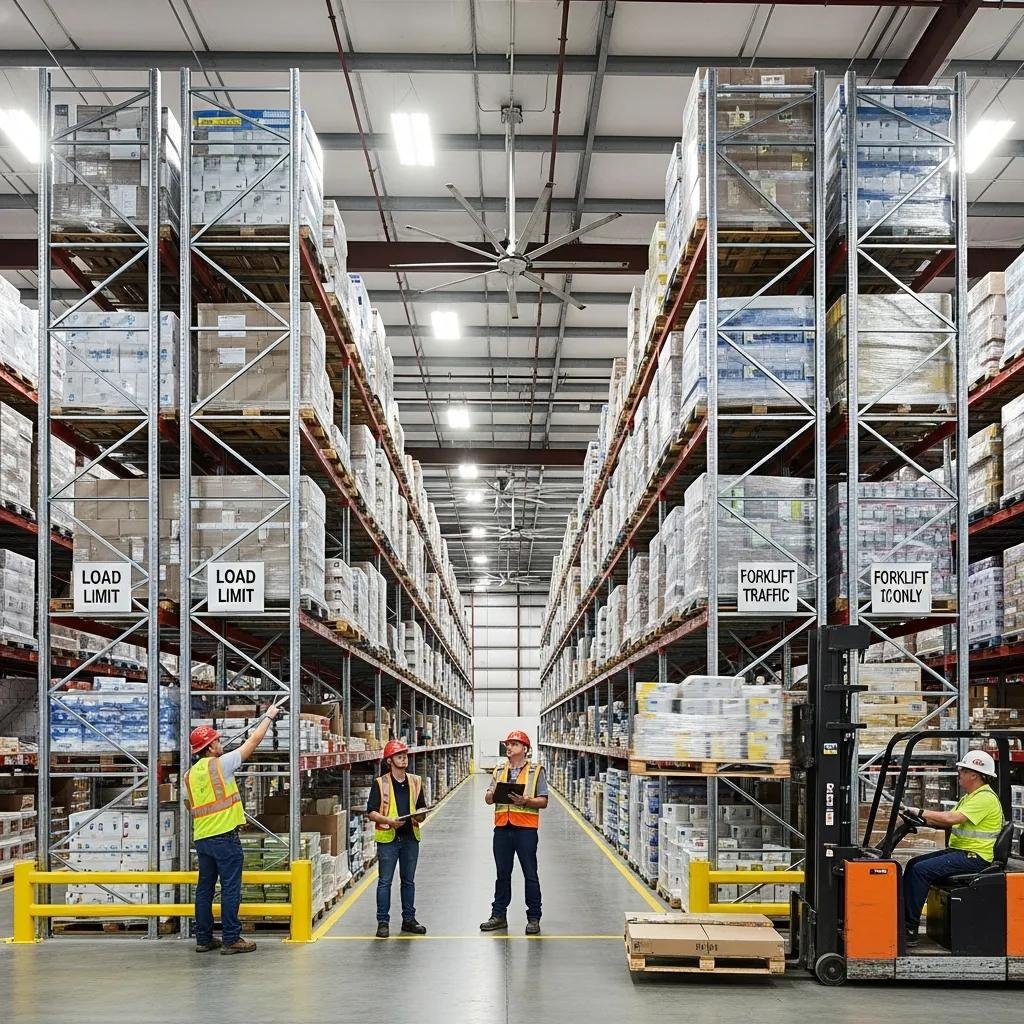
Aisle spacing might seem like a minor detail, but it’s one of the most common code violations found in Texas warehouses. OSHA warehouse safety guidelines outline required clearance distances to ensure safe egress and fire equipment access.
In high-density storage environments, it’s easy for aisles to become narrower than allowed, especially if pallets shift or temporary items are stored improperly. Avoid this by clearly marking aisle boundaries and training staff on layout compliance.
Any time you reconfigure shelving or rack systems, review your spacing against both OSHA guidelines and your local fire department’s code. It’s a simple fix that can save major headaches down the line.
-
High Pile Storage Oversights
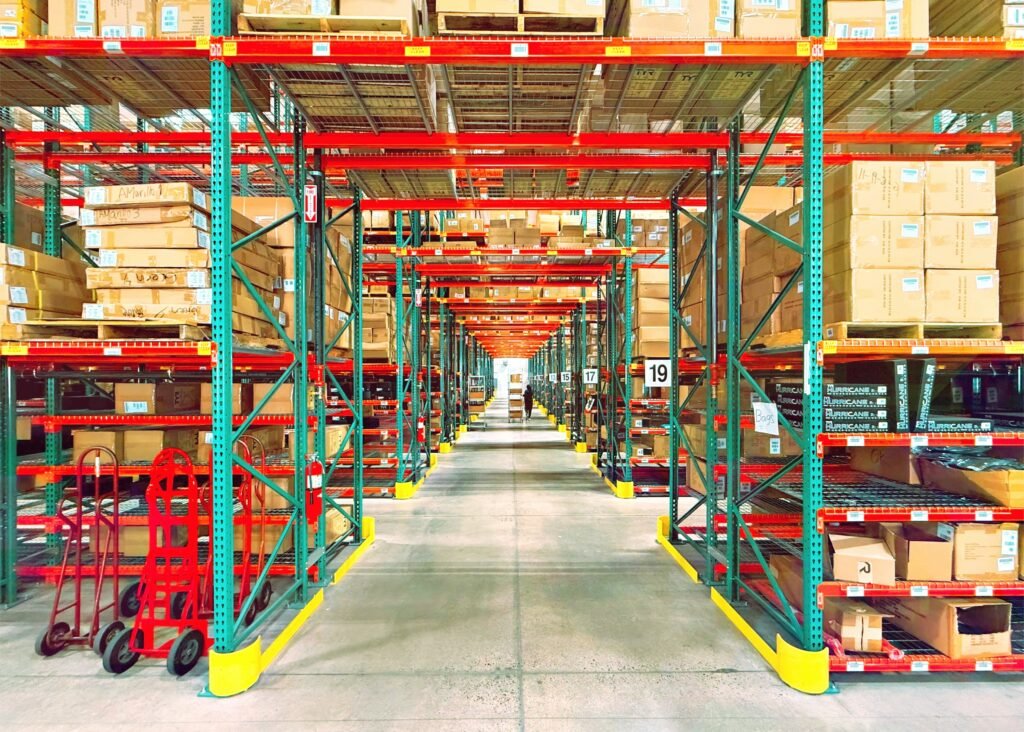
High pile storage has its own set of permitting and safety requirements. One of the most common issues in compliance audits in Texas is neglecting to apply for a high pile storage permit when required.
Auditors often find that facilities are stacking materials too high without sprinkler upgrades or without the proper fire-rated separation between storage areas. This is especially risky if you’re storing flammable or hazardous materials.
Even if your building was compliant when built, changes in storage layout, rack height, or inventory type can require updated permits. Stay proactive by reviewing your storage systems regularly and coordinating with a permit specialist if you’re unsure.
-
Incomplete or Expired Permits
Another frequent source of trouble? Paperwork. Many warehouses operate for months or even years without realizing their occupancy permits, fire approvals, or high pile permits are outdated or missing altogether.
This can happen due to management turnover, renovations, or simply assuming a permit “came with the building.” However, regulators don’t accept ignorance as an excuse. If an inspector finds a permit expired or missing, it can result in fines, shutdown orders, or even legal action.
Make it a habit to review your permit portfolio annually. Ensure your Certificate of Occupancy matches your warehouse use, check expiration dates, and confirm that changes in operations (like adding new racking systems) don’t trigger additional permit needs.
Why Proactive Compliance Pays Off
Addressing fire safety, aisle spacing, storage limits, and permit accuracy helps protect your long-term operations. When warehouses stay ahead of compliance requirements, they reduce costly delays, avoid fines, and build stronger relationships with local inspectors and fire marshals.
Being proactive can also support growth. Whether you’re expanding racking systems or leasing additional space, a solid compliance record helps speed up approvals and lowers insurance risks. Instead of scrambling to fix problems after a failed audit, investing in regular walkthroughs and permit reviews ensures your facility stays inspection-ready year-round.
Conclusion
Texas warehouses face a unique set of compliance challenges, from fire safety and aisle spacing to complex permitting requirements. Avoid these pitfalls by conducting a detailed permitting audit before making changes or opening a new facility.
If you’re unsure where your documentation stands or what permits you need, contact us to schedule a consultation. We’ll help you avoid costly setbacks and keep your warehouse compliant.