
Learn the key factors inspectors look for and how to ensure compliance with storage system regulations.
Storage system complianceis a key part of maintaining a safe, efficient, and high-performing warehouse operation. Failing an inspection can lead to costly downtime, citations, and in some cases, mandatory shutdowns. For companies managing complex racking systems or high-pile inventories, the stakes are even higher. Staying compliant ensures that your facility runs smoothly and avoids the liabilities that come with outdated, damaged, or improperly configured systems.
Top Inspection Focus Areas
Understanding what inspectors prioritize is the first step to staying compliant. Focus areas often include the condition of racking systems, fire safety compliance, and up-to-date permitting.
Structural Integrity & Racking Systems
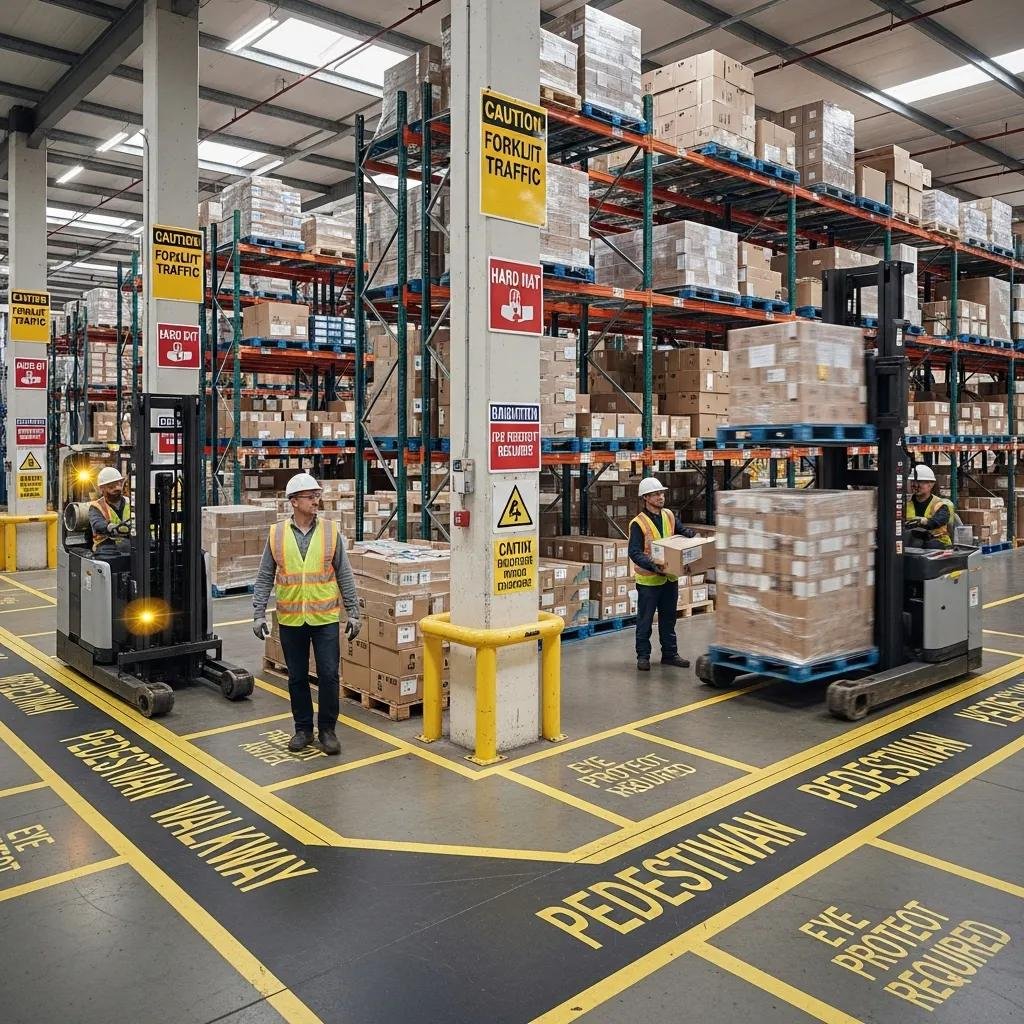
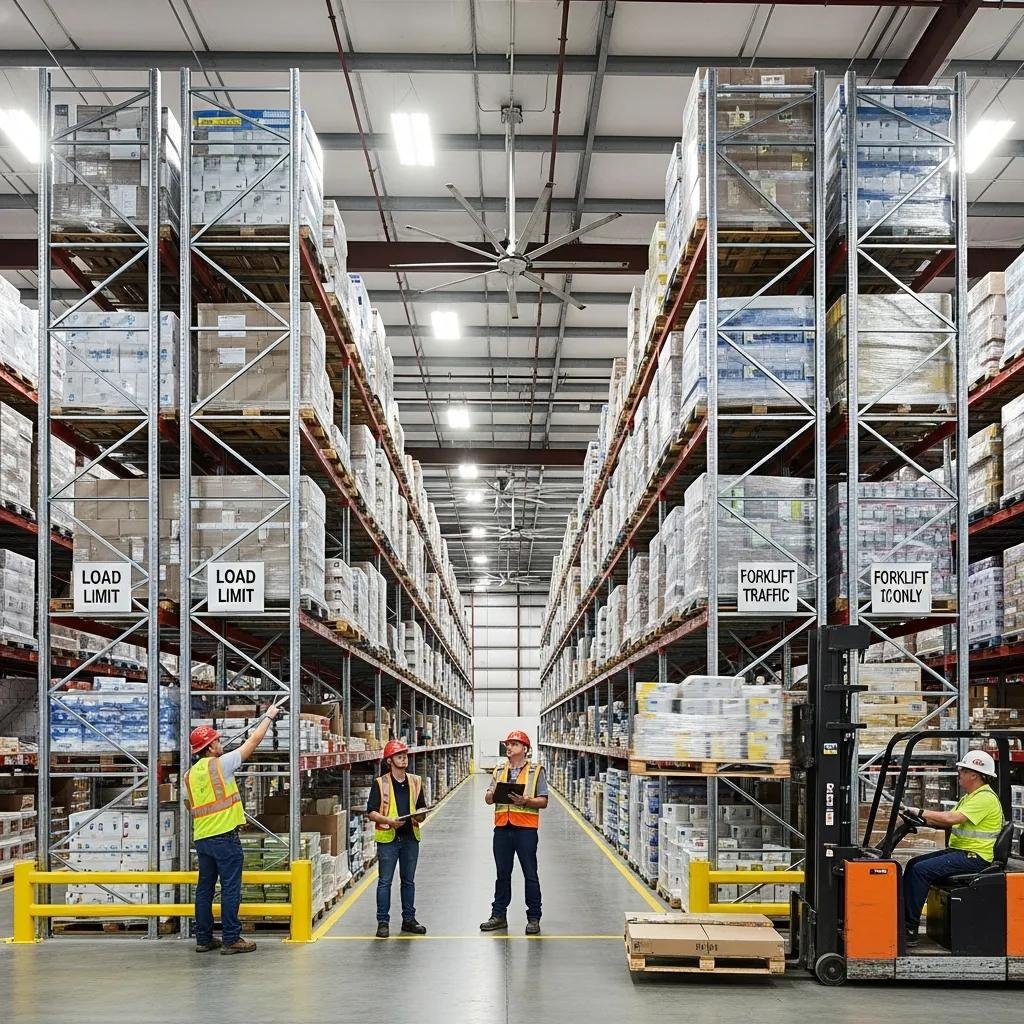
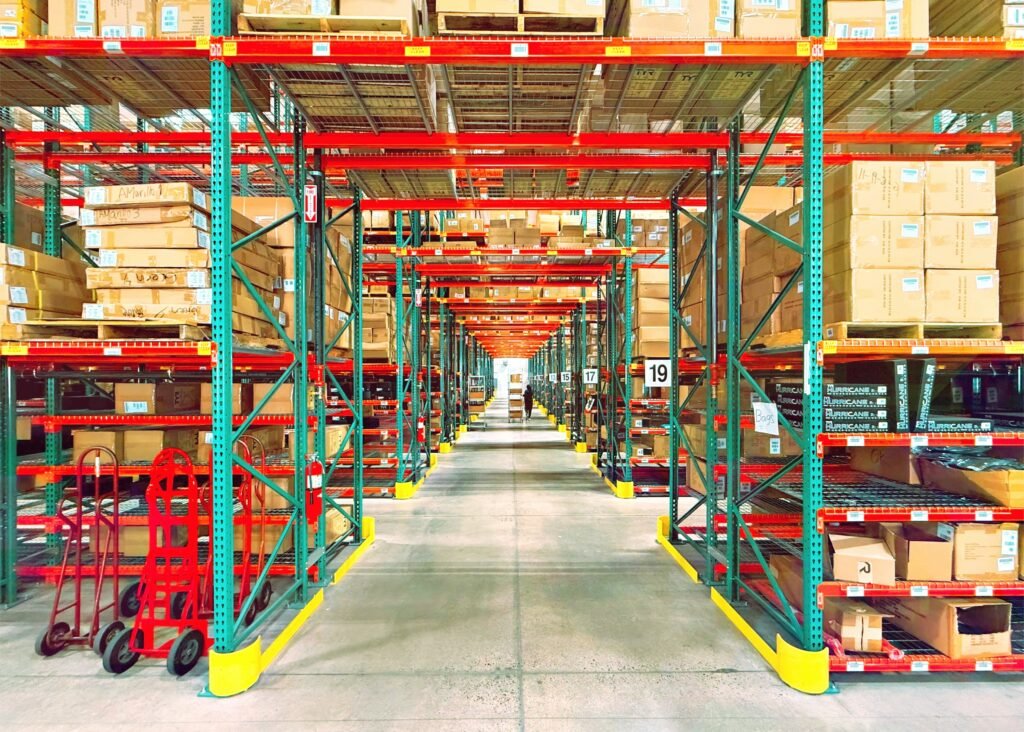
Inspectors place significant emphasis on the condition and regulatory compliance of racking systems during evaluations. Inspectors look for correct installation, secure anchoring, visible damage, signs of overloading, and whether the racks match approved plans. Storage systemsmust be designed and maintained to handle the load they’re carrying, and this includes accurate labeling and verified engineering documentation. Small oversights like missing load placards or unauthorized rack modifications are among the most common causes of failed inspections.
Fire Safety & Egress
Inspectors will examine whether fire suppression systems are up to code, aisles and emergency exits are unobstructed, and high-piled materials are stored according to fire department regulations. If your warehouse exceeds certain storage height and commodity thresholds, you may also be required to obtain a High Pile StoragePermit, which includes detailed analysis of sprinkler coverage, flue space, and rack configuration. Quantum Warehouse Solutions offers consulting on this process to help you avoid red flags during inspections.
Documentation & Permit Readiness
Even if your physical systems are in top shape, failing to produce the correct documentation can halt operations. Inspectors typically ask for racking layout plans, permit approvals, seismic calculations, and maintenance logs. Your ability to produce organized, up-to-date records reflects the overall condition of your warehouse management. It’s essential to maintain digital backups and clear filing systems so that no document gets overlooked during an audit.

Prep Strategies for a Smooth Inspection
Thorough preparation is essential to consistently passing warehouse inspections. Taking proactive steps like audits and employee training can make all the difference.
Regular Internal Audits
Routine self-checks are the most effective way to prevent compliance failures. By performing quarterly or biannual audits of your racking systems, fire exits, documentation, and employee safety training, you can catch small issues before they become costly violations. Assign internal roles for auditing, and use a checklist based on local fire and building codes to stay aligned with inspection criteria.
Training Your Team
Warehouse compliance is not just the responsibility of supervisors or engineers. Every employee on the floor should understand safe stacking practices, maximum load limits, emergency procedures, and how to identify potential risks. A trained staff acts as your first line of defense against safety lapses. Incorporating compliance into regular safety meetings and onboarding helps make it a cultural priority rather than just an occasional concern.
Leveraging Expert Consultation
Partnering with a storage compliance expert like Quantum Warehouse Solutions can make a significant difference. Whether you’re applying for a new racking permit, managing a high-pile storage layout, or preparing for a fire department inspection, expert consultation ensures you’re meeting code requirements from day one. Their team can conduct professional inspections, identify weak points in your layout, and handle permit applications including High Pile Storage Permits– a key advantage for high-volume facilities.
Common Roadblocks & How to Avoid Them
Some of the most frequent inspection failures stem from preventable issues. Overloaded racks without proper signage, blocked fire exits due to poor layout or overflow, expired permits, or unauthorized system changes are all common violations.
Avoid these pitfalls by labeling racks with load capacities, enforcing a clean floor policy, and reviewing any system changes with your compliance team. Additionally, keep a compliance calendar that tracks permit renewal dates and inspection schedules so that nothing slips through the cracks.
Proactive Planning for Ongoing Warehouse Inspection SuccessConclusion
Passing a warehouse inspection starts long before an inspector steps through your door. It requires proactive planning, proper documentation, ongoing training, and a clear understanding of current codes and permit requirements. For high-capacity warehouses or those storing combustible materials, the need for detailed layout analysis and fire department coordination is even greater. That’s where Quantum Warehouse Solutions comes in – providing the expertise and strategic insight you need to stay compliant and operate successfully.
Quantum Warehouse Solutions is here to help. Visit ustoday for expert guidance on storage system compliance, internal audits, and assistance with securing your High Pile Storage Permits. Let us help you reduce risk, stay compliant, and focus on running a safer, more efficient warehouse.