
Rack Reconfiguration: When You Need a New Permit

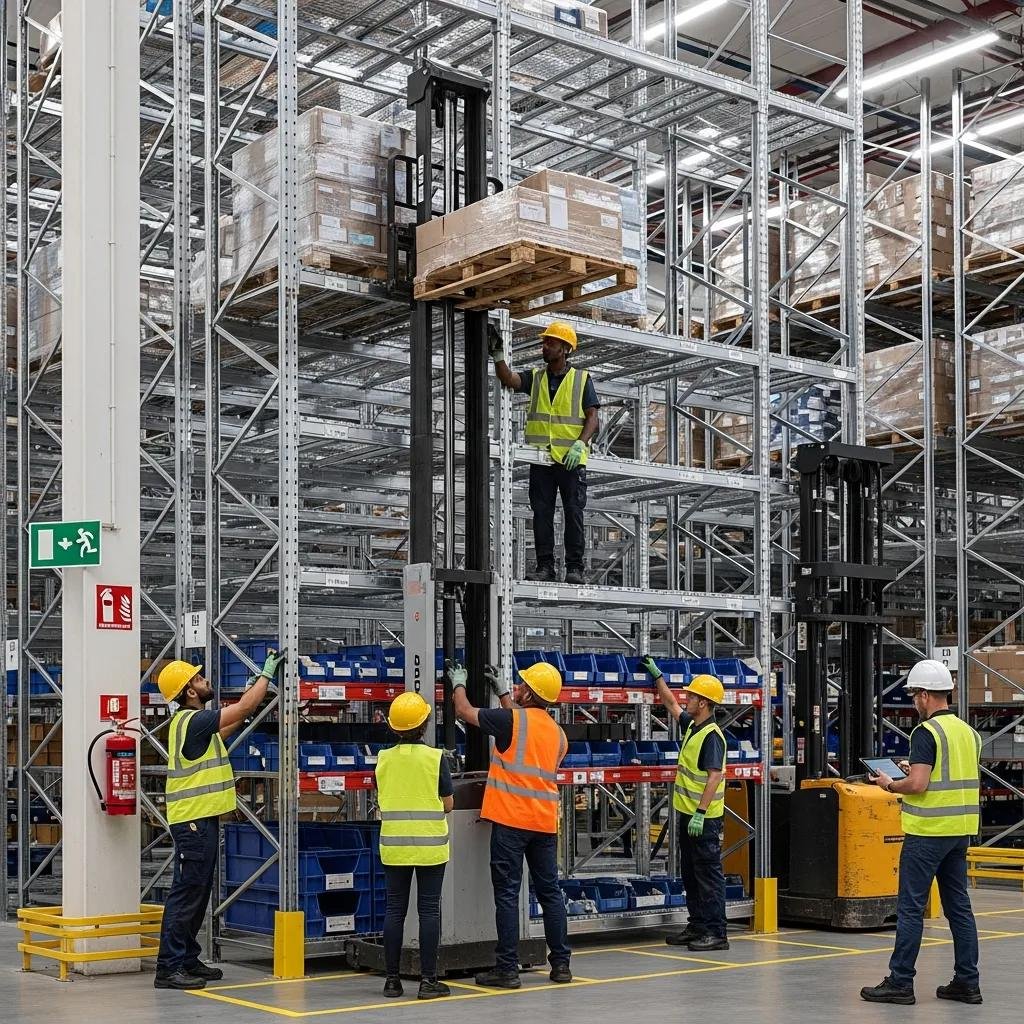
Warehouse workers collaborating on rack reconfiguration in a modern warehouse setting

Rack reconfiguration optimises space and keeps operations compliant with safety rules. Knowing when a new permit is needed helps managers avoid delays, penalties and safety gaps. This article summarises common permit triggers, the application steps, and practical compliance actions to keep reconfigurations efficient and safe.

Warehouse operations change rapidly, so flexible storage solutions are often necessary, as recent research shows.

Rack Reconfiguration for Evolving Storage Needs

Accommodates shelving, pallet racking and similar layouts; disassembly and reconfiguration provide adaptability as storage needs evolve.

Next-Gen warehousing: Integrating automation and control in CAD for efficient industrial rack system design using parametric modeling, FY Okur, 2024

When Is a New Permit Required for Rack Reconfiguration?

You generally need a new permit when rack changes affect safety or code compliance. Common triggers include:

  1. Installing Taller or Denser Racking Systems: Increased height or density that may change structural or fire-safety demands.
  2. Changing from Static to Dynamic Storage: Switching to pallet flow, push-back or other dynamic systems introduces different load and safety requirements.
  3. Adding Mezzanines or Modifying Egress Routes: Any layout changes affecting floors, mezzanines or emergency exits typically require review and permitting.

What Warehouse Racking Regulations Trigger Permit Needs?

Regulatory focus is on safety and structure. Key areas include:

  • Safety Regulations: Meeting OSHA and related workplace-safety standards to protect staff.
  • Building Code Compliance: Local codes that set structural and installation requirements, including load limits.
  • Zoning Laws: Changes in space use that may affect local zoning and permit obligations.

How Do Industrial Rack Permits Apply to Modifications?

Permits follow a formal application process that typically covers:

  • Need for New Permit Applications: Significant racking changes generally require a fresh permit to confirm compliance.
  • Consulting with Experts: Structural engineers or compliance specialists help interpret rules and prepare submissions.
  • Compliance with Regulations: Documentation must show adherence to applicable local and federal standards.

What Are the Steps to Apply for a Rack Modification Permit?

Warehouse manager consulting with compliance expert on permit application steps

Applying for a rack modification permit follows clear steps designed to confirm safety and compliance. These typically include:

  1. Initial Consultation: Check requirements with local authorities or compliance advisors early.
  2. Site Assessment: Inspect layout and existing racking to determine scope of work.
  3. Documentation Review: Prepare and submit plans, load calculations and safety assessments.

How to Prepare Documentation for Warehouse Storage System Permits?

Key documents to prepare are:

  • Comprehensive Research on Requirements: Identify local rules that apply to your site and racking type.
  • Detailed Blueprints and Architectural Plans: Clear drawings and load details for reviewers.
  • Engagement with Local Officials: Early contact can clarify submission formats and reduce revisions.

What Are the Typical Inspection and Approval Procedures?

Safety inspector reviewing warehouse racking systems during an inspection

Inspection and approval usually follow a standard workflow:

  • Initial Consultation: Discuss the proposal with authorities and note any conditions.
  • On-Site Inspection: Inspectors verify installation, spacing, anchoring and egress.
  • Compliance Review: Authorities review submitted documentation before final sign-off.

How to Ensure Warehouse Rack Safety Compliance During Reconfiguration?

Maintain safety and operations by following a concise process. Key steps include:

  1. Assessing Needs for New Racking Systems: Determine whether existing systems meet new operational and safety requirements.
  2. Gathering Necessary Documentation: Compile plans, load ratings and inspection records to support permit requests.
  3. Hiring a Professional Engineer: Use a qualified engineer to validate design and oversee changes.

What Safety Standards Must Be Met for Rack Modifications?

Typical standards include:

  • Compliance with Local Building Codes: Structural soundness, anchoring and load handling.
  • Fire Safety Standards: Adequate spacing, access, and fire-protection measures.
  • Regular Inspections: Ongoing checks to catch damage or overloads early.

Beyond basic safety, steel rack frame strength and fire resistance need specialist attention during design and modification.

Fire Resistance & Structural Integrity of Steel Rack Frames

Steel rack frames use thin-walled cold‑formed components to store goods. Their market competitiveness depends on the total system weight; these structures often hold inventory far more valuable than the rack itself. Although seismic and static design have been addressed, fire design and overall robustness have seen limited attention and no specific design rules exist. Today, protection relies on active systems like sprinklers or controlled oxygen chambers, but these are not always feasible. A robust strategy to prevent global collapse after a fire remains necessary.

Fire Resistance of Steel Rack Frames: Assessment, Reinforcement and Collapse Mitigation Strategies: Fire Resistance of Steel Rack Frames…, M Simoncelli, 2025

How Do Load Capacity and Design Affect Permit Requirements?

Load capacity and design are central to permitting. Key points include:

  • Importance of Load Capacity Labeling: Label racks clearly to prevent overloading.
  • Design Adherence to Local Codes: Ensure designs match code requirements for your jurisdiction.
  • Consequences of Non-Compliance: Penalties, increased liability and potential shutdowns.

When Should You Consult Experts for Rack Reconfiguration Permits?

Bring in specialists when permit complexity or risk increases. Recommended moments include:

  1. Initial Consultation with Experts: Early expert input reduces rework and surprises.
  2. Documentation Review: Have experts vet designs and submissions before filing.
  3. Ongoing Support for Compliance: Retain support to handle changes or inspector feedback.

What Consultation Services Support Permit Compliance?

Common services that help include:

  • Permit Application Assistance: Guidance through requirements and submission steps.
  • Compliance Audits: Identify gaps and recommend corrective actions.
  • Staff Training: Teach safe handling, load limits and inspection routines.

How Can Case Studies Demonstrate Successful Permit Approvals?

Case studies highlight practical outcomes by showing:

  • Client Testimonials: Feedback that confirms the consultant’s effectiveness.
  • Streamlined Processes: Examples where clear planning sped approvals.
  • Expertise in Compliance: Demonstrated understanding of local rules and approvals.

For more on warehouse solutions, Quantum Warehouse Solutions provides services to optimise your warehouse operations.

When planning rack reconfiguration, review the services available to ensure compliance and efficiency.

To meet safety and regulatory standards, consult experts in warehouse rack solutions.

Frequently Asked Questions

What are the common challenges faced during the permit application process for rack reconfiguration?

Common challenges are complex local rules, incomplete documentation and meeting safety standards. Early engagement with authorities or consultants reduces delays.

How can warehouse operators ensure ongoing compliance after obtaining a permit?

Run regular inspections and maintenance, monitor rule changes, keep a compliance checklist and provide periodic staff training.

What role does employee training play in maintaining safety during rack reconfiguration?

Training teaches safe handling, load limits and emergency procedures so staff spot hazards and follow correct practices.

What factors should be considered when selecting a consultant for permit compliance?

Choose consultants with local code experience, a proven permit track record, clear communication and good client references.

How can technology assist in the rack reconfiguration process?

CAD, simulation and compliance tools help create accurate plans, visualise changes and track permit conditions throughout the project.

What are the potential consequences of non-compliance with rack modification regulations?

Non-compliance can cause fines, legal penalties, suspended operations and increased liability. Staying compliant protects people and the business.

Conclusion

Understanding permit triggers and following a concise application and inspection process keeps warehouses safe and operational. Consult experts when complexity or risk is high, prepare clear documentation, and maintain regular inspections and training to protect staff and assets.

Recent Articles