Flue Space in Pallet Racking: Why It Matters

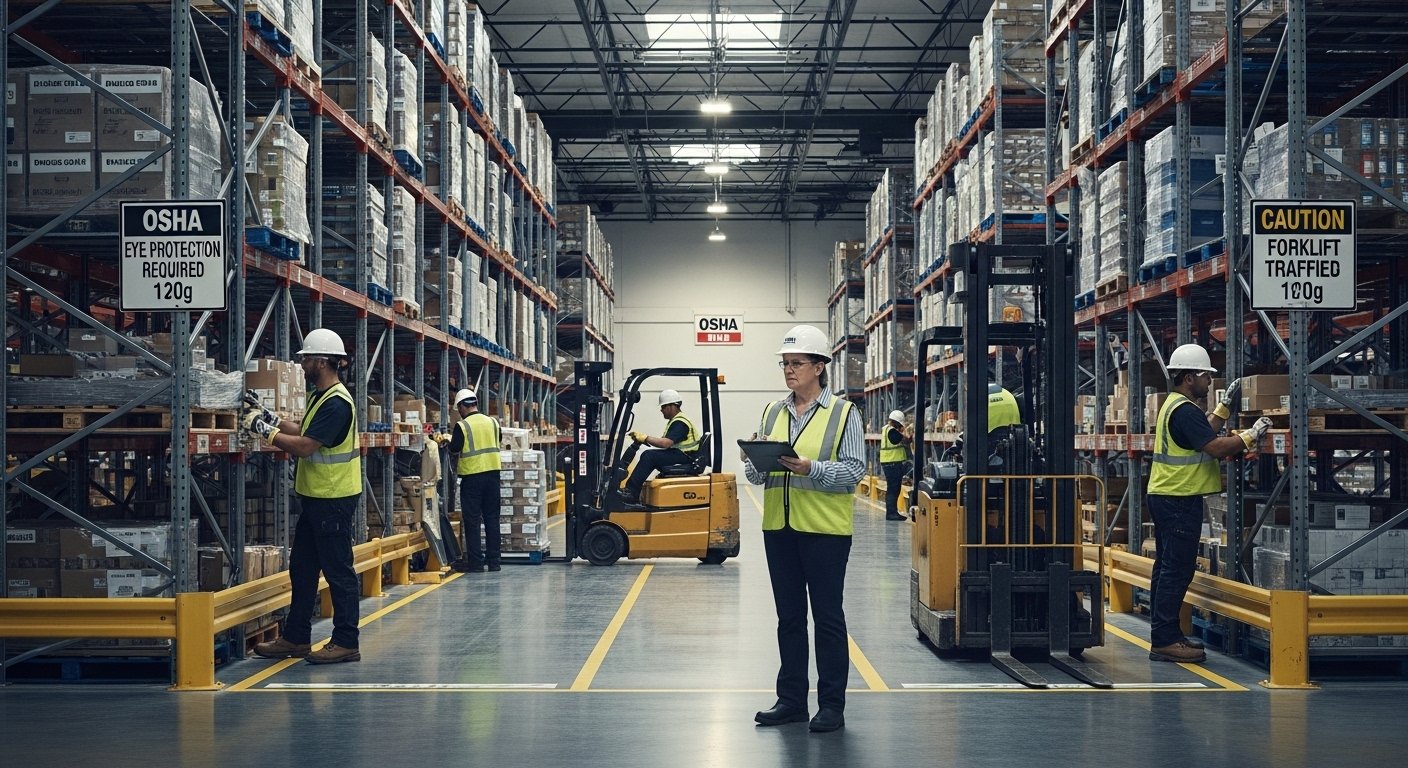
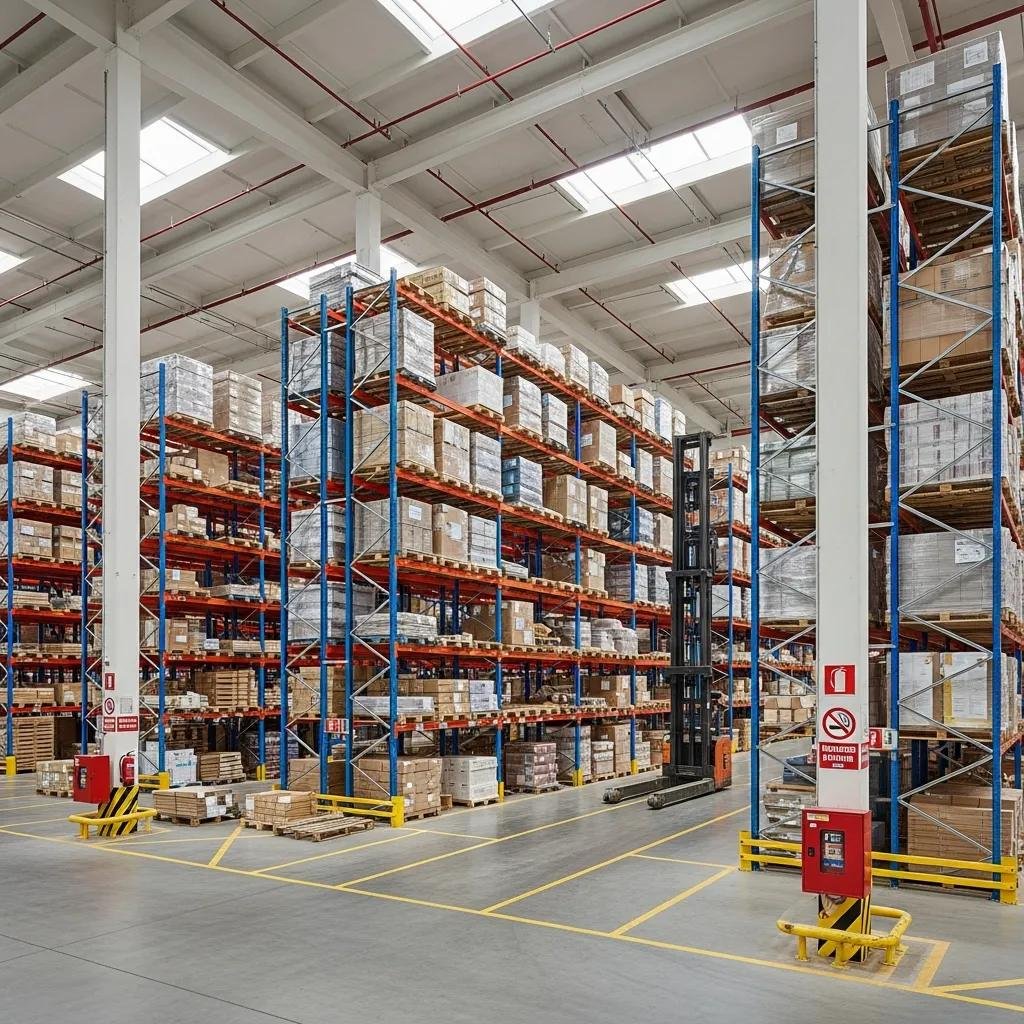
Warehouse with pallet racking systems demonstrating proper flue space for fire safety

Flue space is vital to warehouse safety in pallet racking. It refers to the gaps between stored goods that allow airflow and reduce fire risk. Knowing how flue space works helps operators meet fire codes and protect assets. This article defines flue space, explains its role in fire prevention, summarises relevant regulations, and covers racking design best practices and safety audit steps to confirm compliance.

What Is Flue Space and Why Is It Critical for Pallet Rack Fire Safety?

Flue space is the vertical and horizontal clearance between stored items that supports airflow and reduces fire hazards. It matters for fire protection systems—sprinklers and other systems depend on clear air paths to function as intended. Adequate flue space both improves safety and helps you meet warehouse fire codes that specify spacing rules.

How Does Flue Space Affect Warehouse Fire Prevention?

Proper flue space supports airflow that directs heat and smoke, helping sprinklers activate and control a fire. Overly tight storage can increase fire intensity and speed spread, endangering people and property. Regulators therefore require adequate spacing to lower these risks and keep workplaces safe.

Rapid fire growth in logistics facilities highlights the need for robust fire safety measures.

Fire Safety Measures for Mezzanine Racks & Pallets

Fire response in logistics facilities is challenging due to rapid fire growth. Mezzanine rack installations often lack sufficient fire safety measures. Experiments with two-layer pallets predicted fire characteristics similar to single-layer pallets.

Full-Scale Fire Experiment on Mezzanine Racks in Logistics Facilities, B Lee, 2024

What Are the Key Warehouse Fire Regulations Governing Flue Space?

Organisations such as the National Fire Protection Association (NFPA) and OSHA set the main rules for flue space in warehouses. These standards define spacing based on stored commodity types and installed fire protection. Complying is essential to avoid penalties and reduce liability after a fire.

How to Design Pallet Racking for Optimal Flue Space and Ventilation

Design racking to balance airflow and storage needs. Plan layouts so flue spaces and ventilation are preserved while maintaining operational capacity.

For businesses needing comprehensive warehouse solutions, Quantum Warehouse Solutions offers services to optimize design and safety.

What Are the Best Practices for Pallet Racking Ventilation Standards?

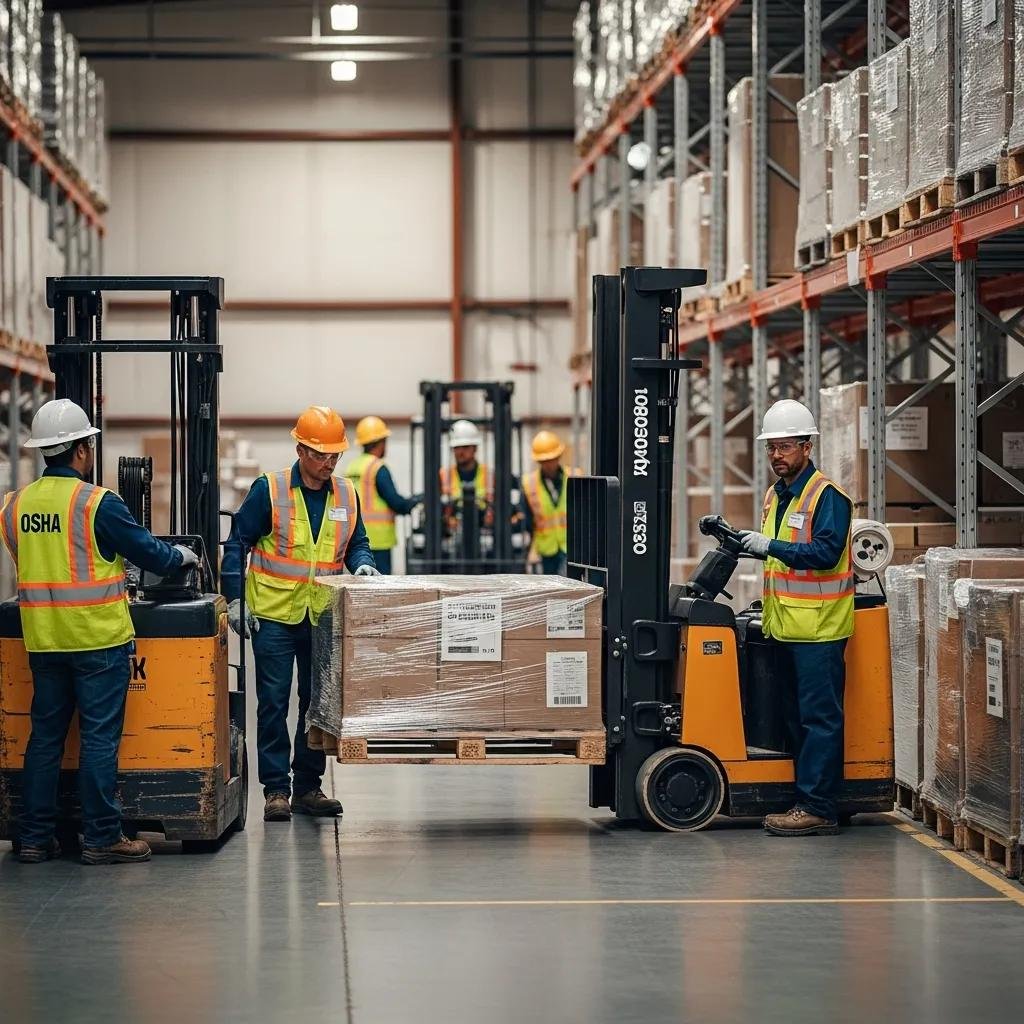
Best practices for pallet racking ventilation showing clear flue spaces and sprinkler placement

Follow these best practices to improve ventilation in pallet racking systems:

  1. Maintain Adequate Flue Spaces: Ensure there is sufficient clearance between stored items to allow for proper airflow.
  2. Strategic Placement of Sprinkler Heads: Position sprinkler heads to maximise coverage and effectiveness in the event of a fire.
  3. Regularly Review Ventilation Standards: Stay updated on industry standards and regulations to ensure ongoing compliance and safety.

Applying these steps improves fire safety and helps keep your facility compliant.

How Do Fire Code Compliance Requirements Influence Racking Design?

Fire codes directly shape racking design. Designers must account for required flue dimensions and the placement of fire protection systems. Integrating code requirements into the design process improves safety and influences operational efficiency and cost planning.

Because fire regulations affect design and construction costs, strategic planning is key to balancing safety and budget.

Warehouse Fire Regulations & Design Strategies

Fire regulations and fire safety engineering (for example, fire simulations) have a significant impact on warehouse design and construction costs. Appropriate design strategies are therefore crucial to ensure both safety and cost-effectiveness.

Sustainable Design and Construction Cost of Warehouse in the Light of Applicable Fire Regulations, M Lendo-Siwicka, 2024

How to Conduct Safety Audits and Ensure Warehouse Storage Safety Standards

Safety audits are essential for maintaining standards around flue space and fire prevention. They identify hazards and verify compliance with fire safety rules.

What Steps Are Involved in a Pallet Racking Safety Audit?

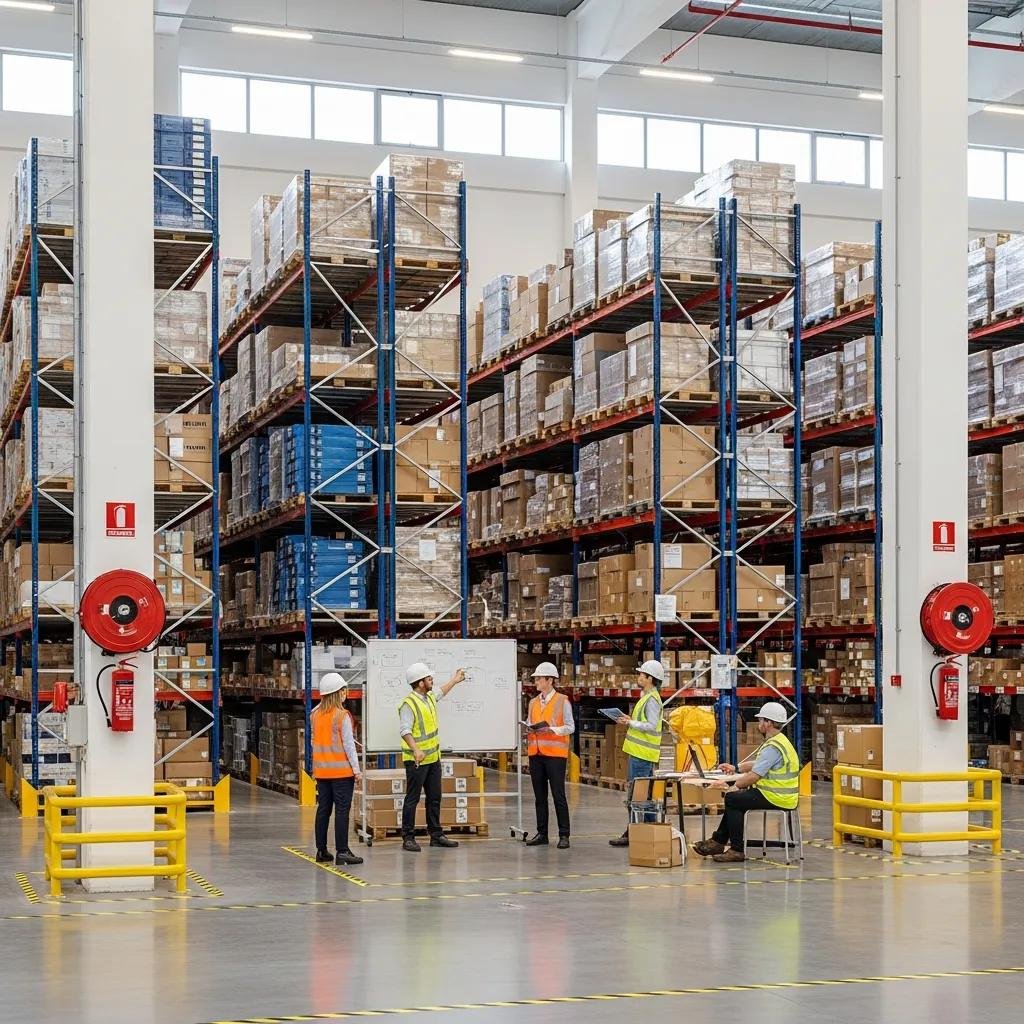
Warehouse safety audit focusing on pallet racking systems and flue space compliance

A comprehensive pallet racking audit includes these key steps:

  1. Defining the Scope of Audits: Determine the areas and systems to be evaluated during the audit.
  2. Conducting Hazard Identification: Identify potential hazards related to flue space and fire safety.
  3. Implementing Controls and Follow-Up: Develop and implement corrective actions based on audit findings, followed by regular follow-up assessments.

These measures help keep your operations compliant with safety standards.

How Can Warehouse Owners Maintain Ongoing Fire Code Compliance?

Staying compliant demands a proactive approach. Key strategies include:

  1. Regular Inspections: Schedule routine inspections to assess compliance with fire safety regulations.
  2. Employee Training: Provide training for employees on fire safety protocols and the importance of maintaining flue space.
  3. Documentation Maintenance: Keep accurate records of inspections, audits, and training sessions to demonstrate compliance.

Implementing these strategies helps ensure facilities remain safe and code-compliant.

What Are the Real-World Impacts of Proper Flue Space: Case Studies and Statistics

Case studies and industry data underline how proper flue space improves fire safety in pallet racking systems.

How Have Adequate Flue Spaces Reduced Fire Incidents in Warehouses?

Research shows warehouses that follow recommended flue space guidelines report fewer fire incidents. For example, an NFPA study found reduced fire-related incidents where recommended spacing was observed.

Further fire-suppression modelling research offers insight into how storage configurations affect fire growth and control.

Fire Suppression Modeling for Pallet Rack Storage

This study validated FireFOAM fire growth and suppression models for rack-storage configurations of corrugated cardboard boxes on wood pallets (Class 2 commodity). Validation experiments included two large-scale fire tests.

Large-scale fire suppression modeling of corrugated cardboard boxes on wood pallets in rack-storage configurations, N Ren, 2017

What Recent Industry Statistics Highlight the Importance of Flue Space?

Industry reports link non-compliance with flue space regulations to numerous warehouse fire incidents. A significant portion of storage-related fires are tied to inadequate spacing, reinforcing the need to follow flue space rules to protect assets.

Frequently Asked Questions

What are the consequences of inadequate flue space in pallet racking systems?

Insufficient flue space raises fire risk and can lead to loss of life and property. Crowded storage limits airflow, which can accelerate fire spread and reduce sprinkler effectiveness. Regulators may issue fines for non-compliance, so maintain proper clearances to protect people and meet legal requirements.

How often should flue space compliance audits be conducted?

Audit at least annually, and more often after major operational changes or incidents. Regular assessments help spot hazards and ensure flue spaces remain compliant with fire safety rules.

What types of materials require special consideration for flue space?

Flammable or hazardous items—such as certain chemicals, plastics, and cardboard—need special consideration and may require larger flue spaces. The NFPA provides guidance that ties spacing requirements to commodity types, so apply tailored approaches for different inventories.

Can flue space requirements vary by region or jurisdiction?

Yes. Local fire codes can be stricter than national standards like the NFPA. Consult local fire marshals or regulatory bodies to confirm all applicable requirements, since local rules affect compliance obligations.

What role does employee training play in maintaining flue space compliance?

Training ensures staff understand correct storage practices, clearance requirements, and emergency procedures. A safety-aware workforce helps keep flue spaces clear and reduces the chance of fire incidents.

How can technology assist in monitoring flue space compliance?

Use inventory systems, sensors and IoT devices to monitor storage layouts, airflow and temperature. Automated alerts can flag spacing violations in real time, making compliance monitoring faster and more reliable.

Conclusion

Maintaining proper flue space in pallet racking is essential for fire safety and code compliance. Implementing correct spacing, running regular audits and training staff all reduce fire risk and protect assets. For comprehensive warehouse solutions that prioritise safety, explore our services today.

Recent Articles