Forklift Safety in Warehouses: Essential OSHA Rules and Operator Training
Forklift safety matters in warehouses because accidents can have serious consequences. Knowing OSHA rules helps keep your workplace safe. This article outlines key OSHA forklift standards, why operator training matters, and practical steps to prevent accidents. Addressing these areas lowers injury risk and keeps you compliant. We also cover a forklift safety checklist and how training reduces common hazards.
What Are the Key OSHA Forklift Safety Standards for Warehouses?
OSHA standards protect workers from the risks of operating forklifts in warehouses. They cover operator certification, equipment safety, and daily inspection requirements. Following these rules improves workplace safety and reduces employer liability. Understanding these regulations is essential to running a safe warehouse.
Understanding OSHA Forklift Certification Requirements

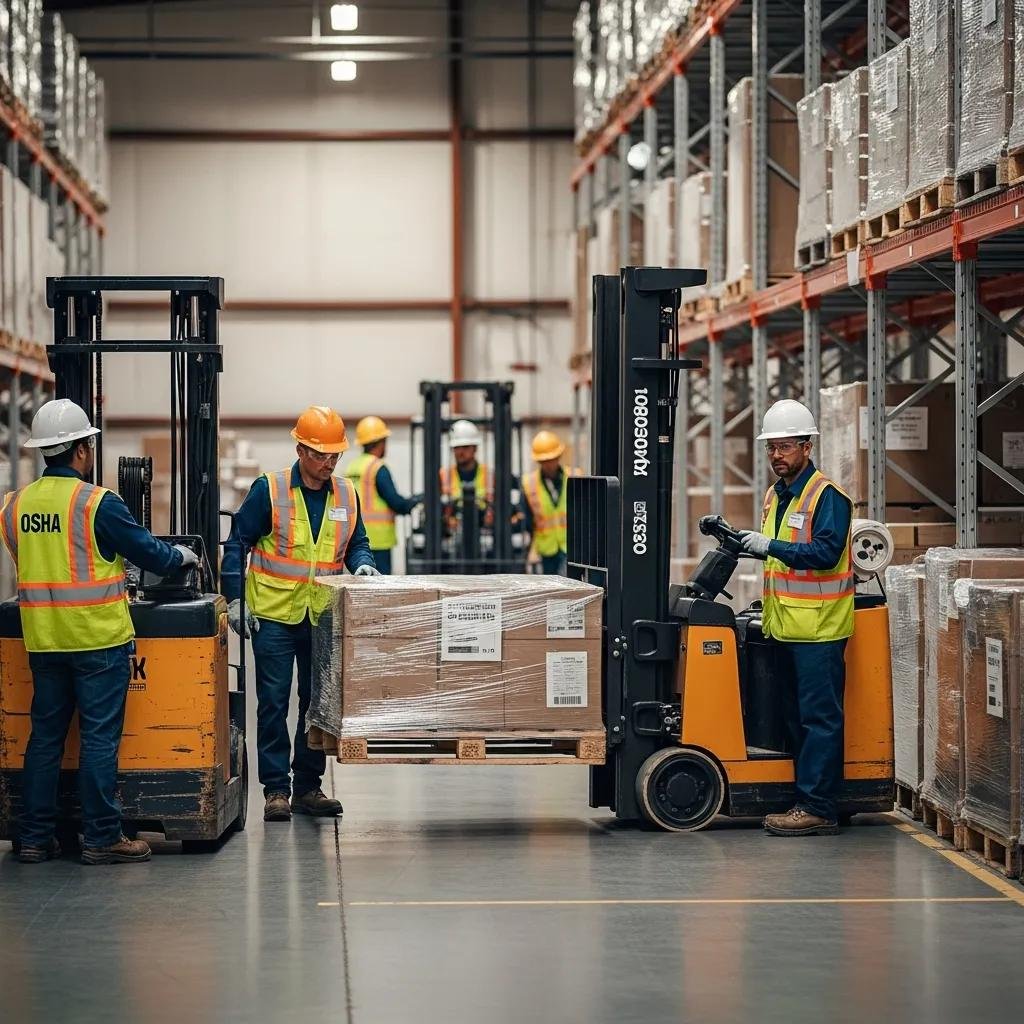
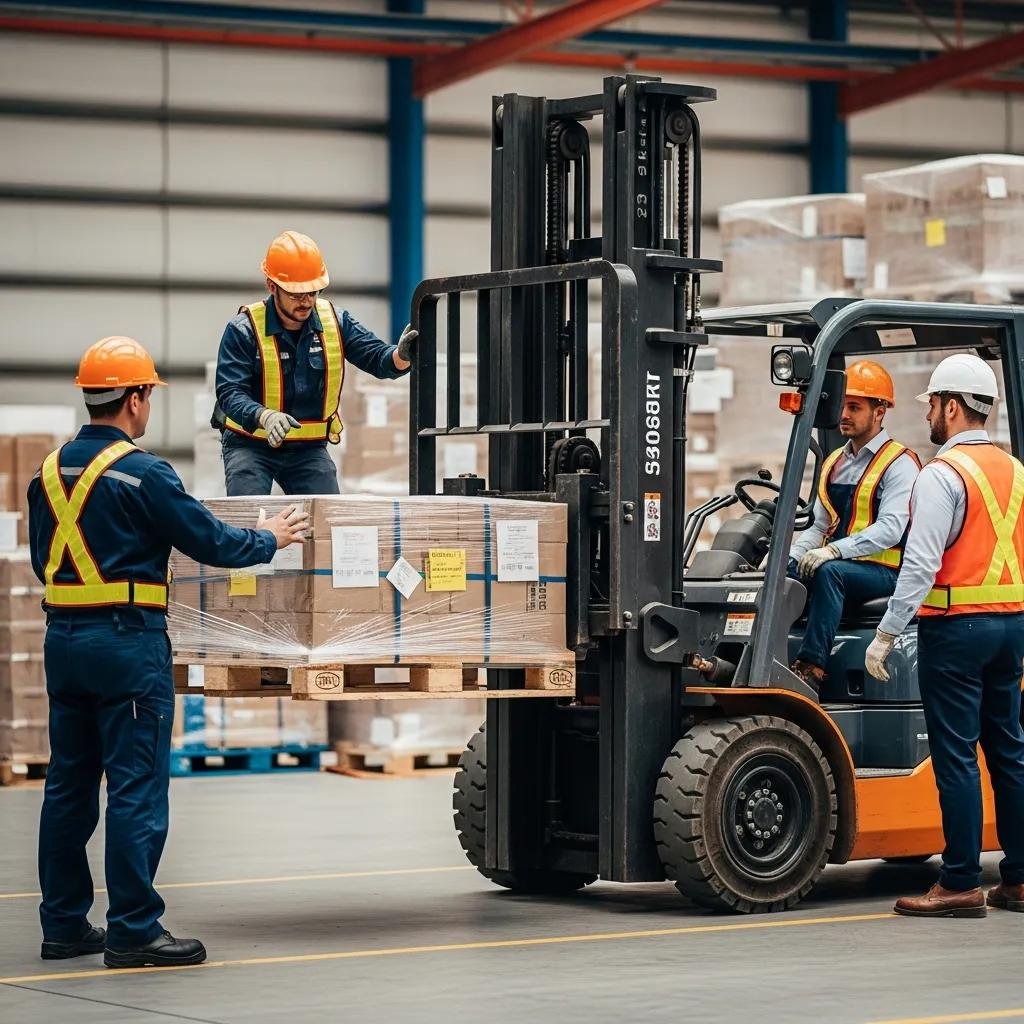
To operate a forklift legally, workers need proper training and certification. OSHA requires both classroom instruction and hands-on practice. Training covers safety protocols, equipment handling, and emergency procedures. Regular retraining keeps operators current with practices and any equipment changes.
Warehouse Equipment Safety Standards and Compliance
Warehouse equipment must meet safety standards to operate safely. OSHA requires regular inspections and maintenance to avoid mechanical failures. Safety features such as seat belts, lights, and alarms must function correctly. Employers should train staff to use safety equipment and enforce protocols consistently.
How Can Forklift Operator Training Prevent Accidents?
Effective operator training is a core way to prevent accidents. When operators have the right skills, they recognise hazards sooner and respond correctly. Training should cover safety rules, hazard detection, and emergency responses.
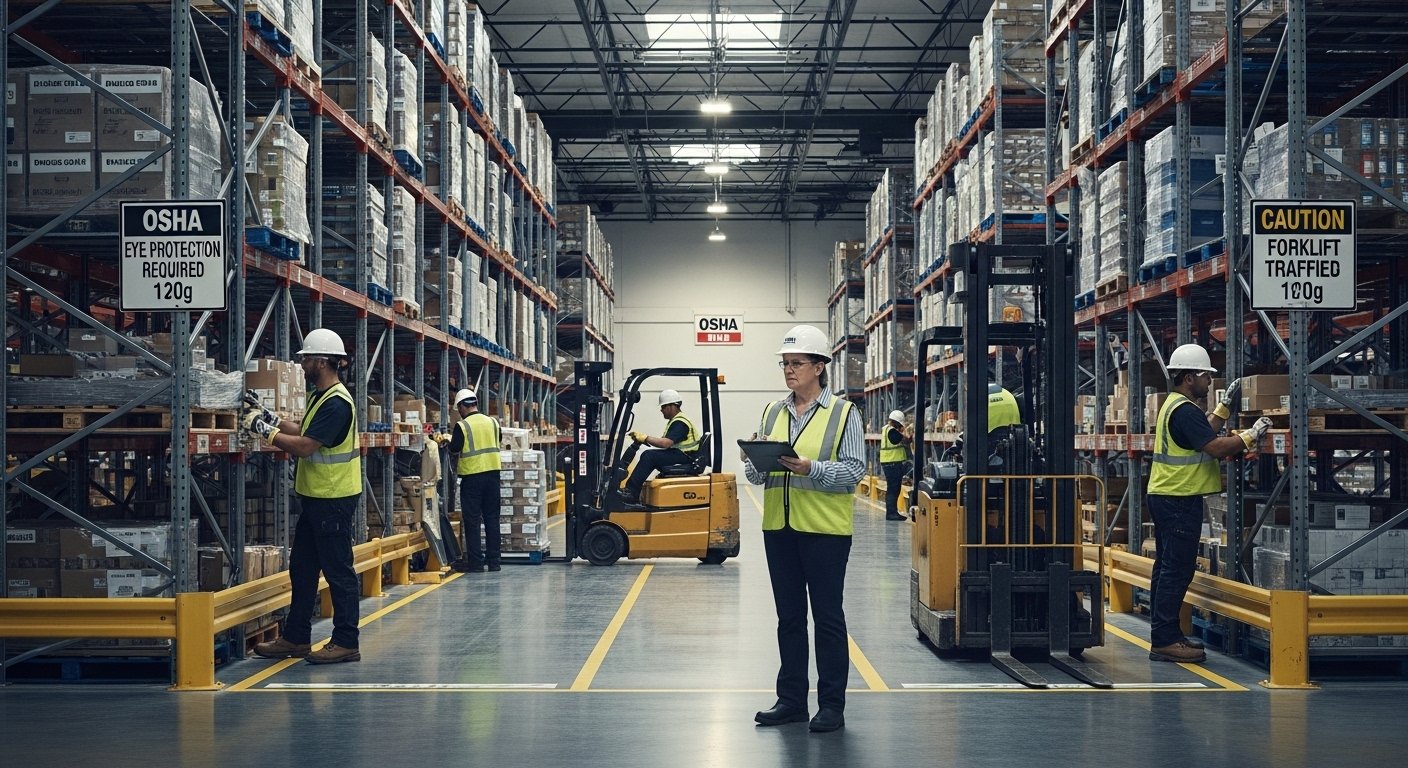
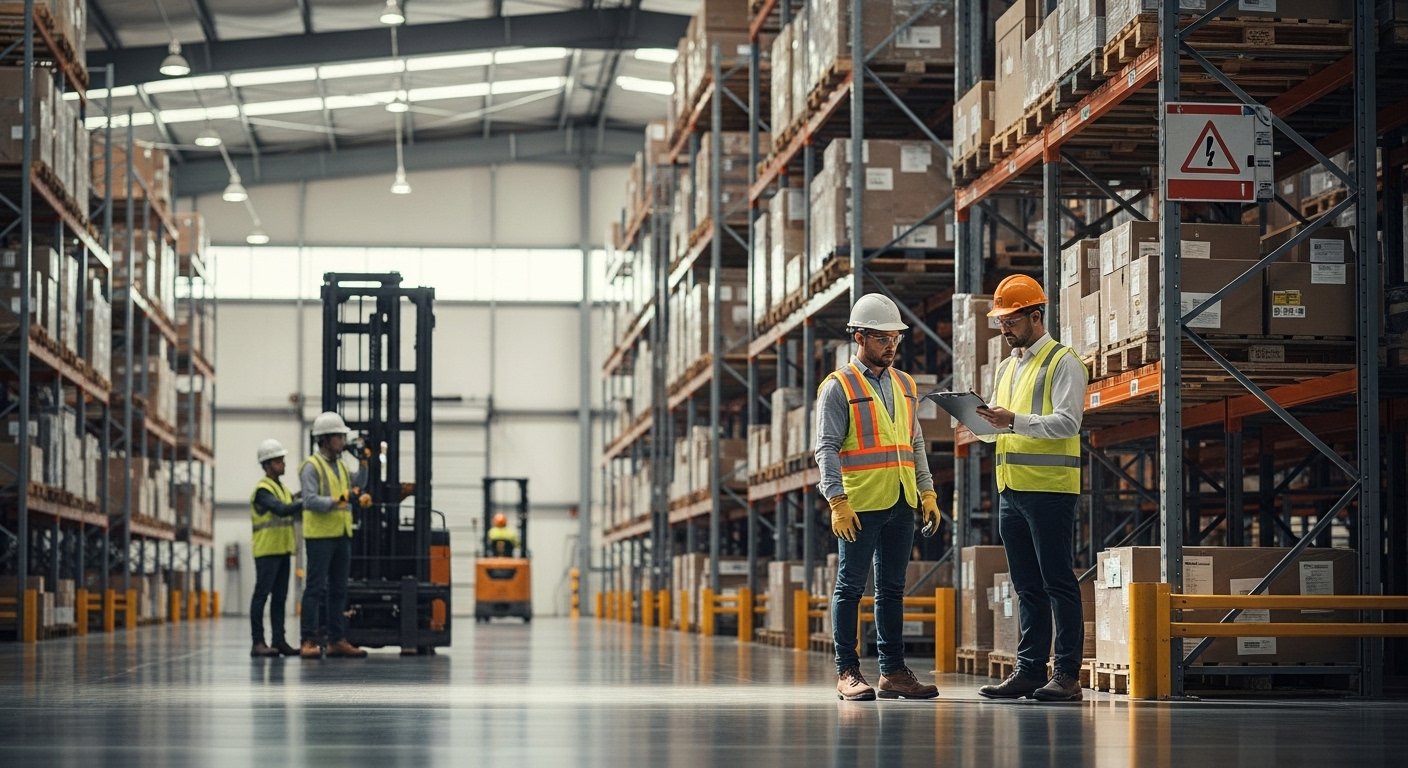
Forklift Safety & Training in Warehouse Operations highlights that forklifts are essential but pose significant safety risks. Training, layout design, and preventative measures improve safety and efficiency.
Components of Effective Forklift Operator Training Programs
An effective training program includes safety protocols, hazard-recognition training, and refresher courses to maintain competency.
Common Forklift Hazards and How Training Addresses Them
Forklift hazards include collisions, slips, and load instability. Training teaches safe navigation, load handling, and visibility practices to reduce accidents.
What Should a Warehouse Forklift Safety Checklist Include?

A forklift safety checklist ensures compliance and safe operations through daily inspections and equipment checks.
Daily and Pre-Operation Safety Inspection Items
- Forklift Condition: Inspect for damage or defects.
- Safety Equipment: Check seat belts, lights, and alarms.
- Load Capacity: Ensure load limits are not exceeded.
Which Strategies Are Most Effective for Forklift Accident Prevention?
Effective prevention combines training, audits, and maintenance programs.
Implementing Safety Audits and Regular Equipment Maintenance
Safety audits identify risks early, while maintenance programs prevent mechanical failures.
Emergency Procedures and Response in Warehouse Settings
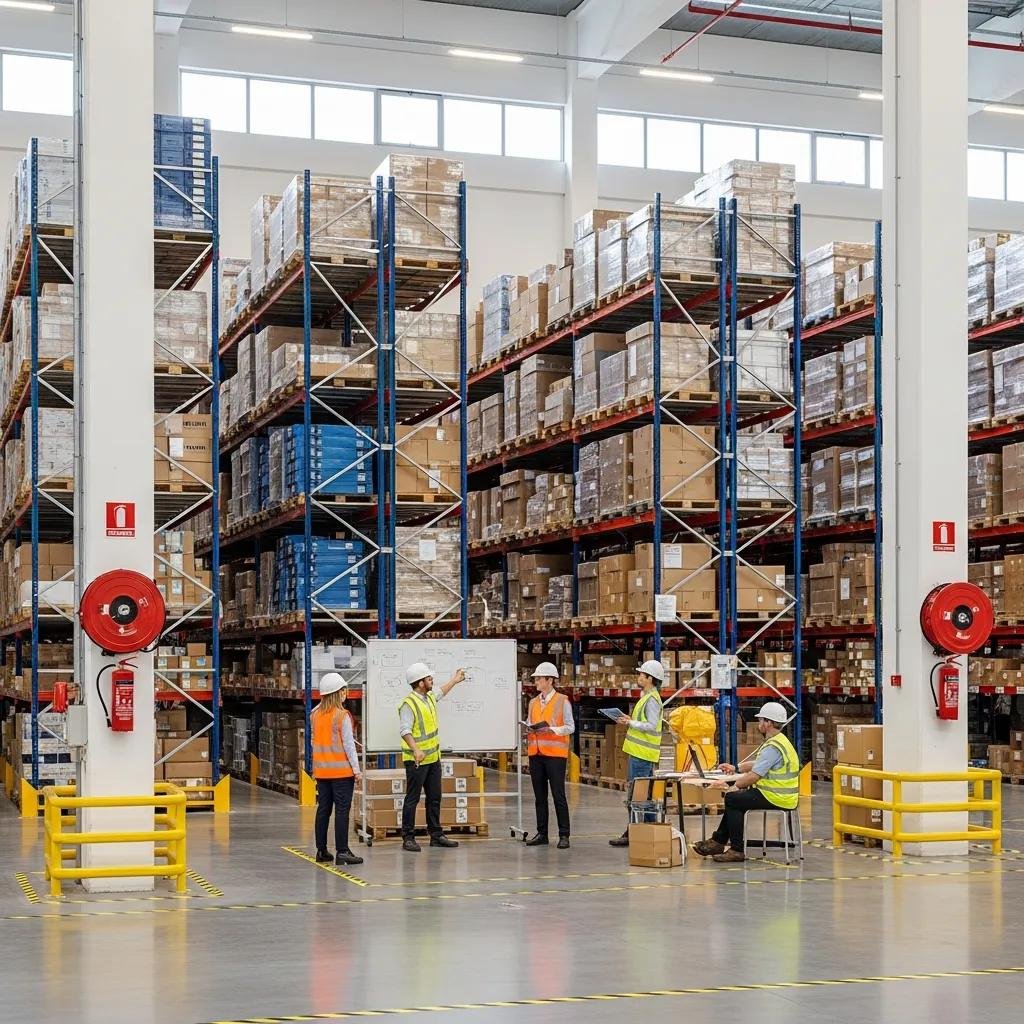
Clear emergency procedures and regular drills ensure quick and effective response during incidents.
Conclusion
Forklift safety protects workers and ensures OSHA compliance. Training, audits, and proper maintenance reduce risks and improve warehouse efficiency.