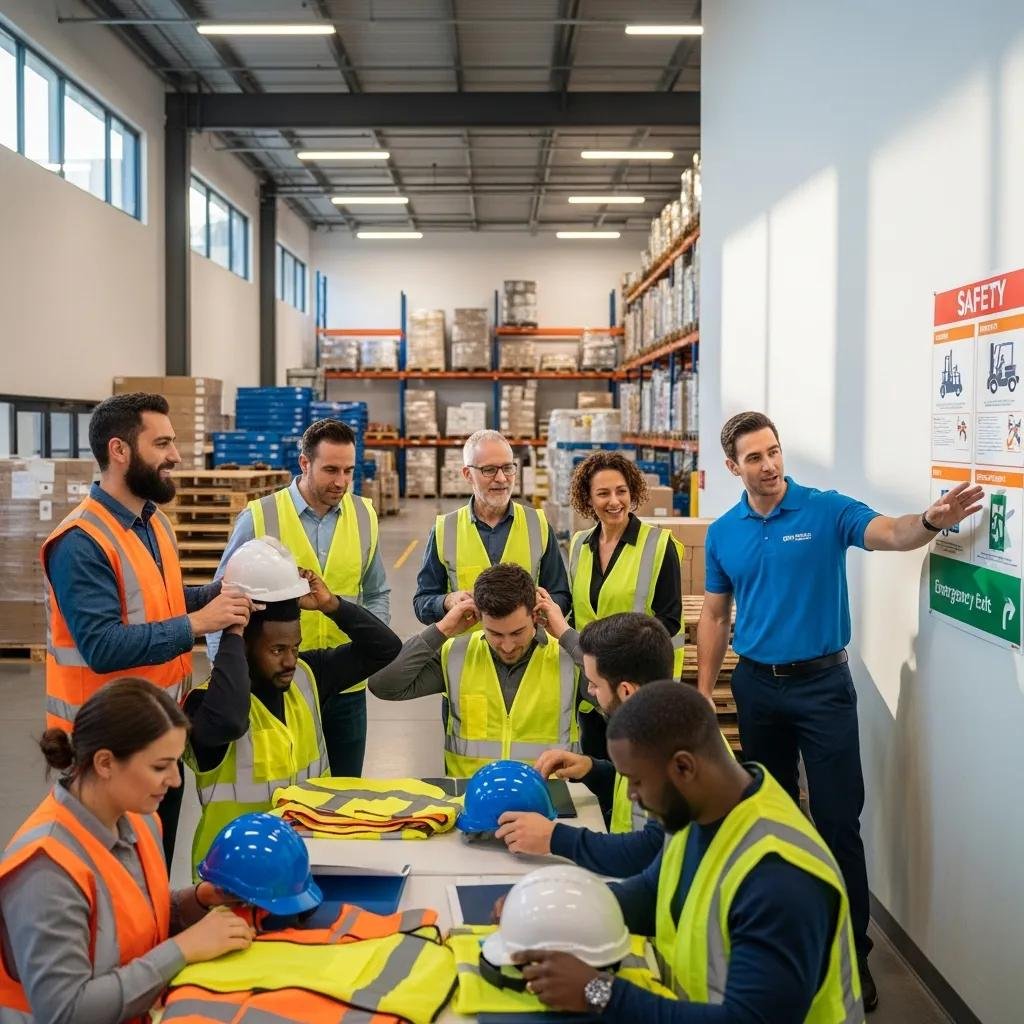
Warehouse Safety Training Program Outline: Essential Compliance and Training for Warehouse Safety
Warehouse safety keeps operations running and people healthy. A complete safety training programme ensures compliance with health and safety rules and builds a safety-first culture. This article outlines the core elements of a warehouse safety training programme: compliance, employee training and best practices. You’ll learn why training matters, common compliance issues and how to prepare for inspections. Use these steps to reduce accidents and improve overall safety.
Introduction to Warehouse Safety
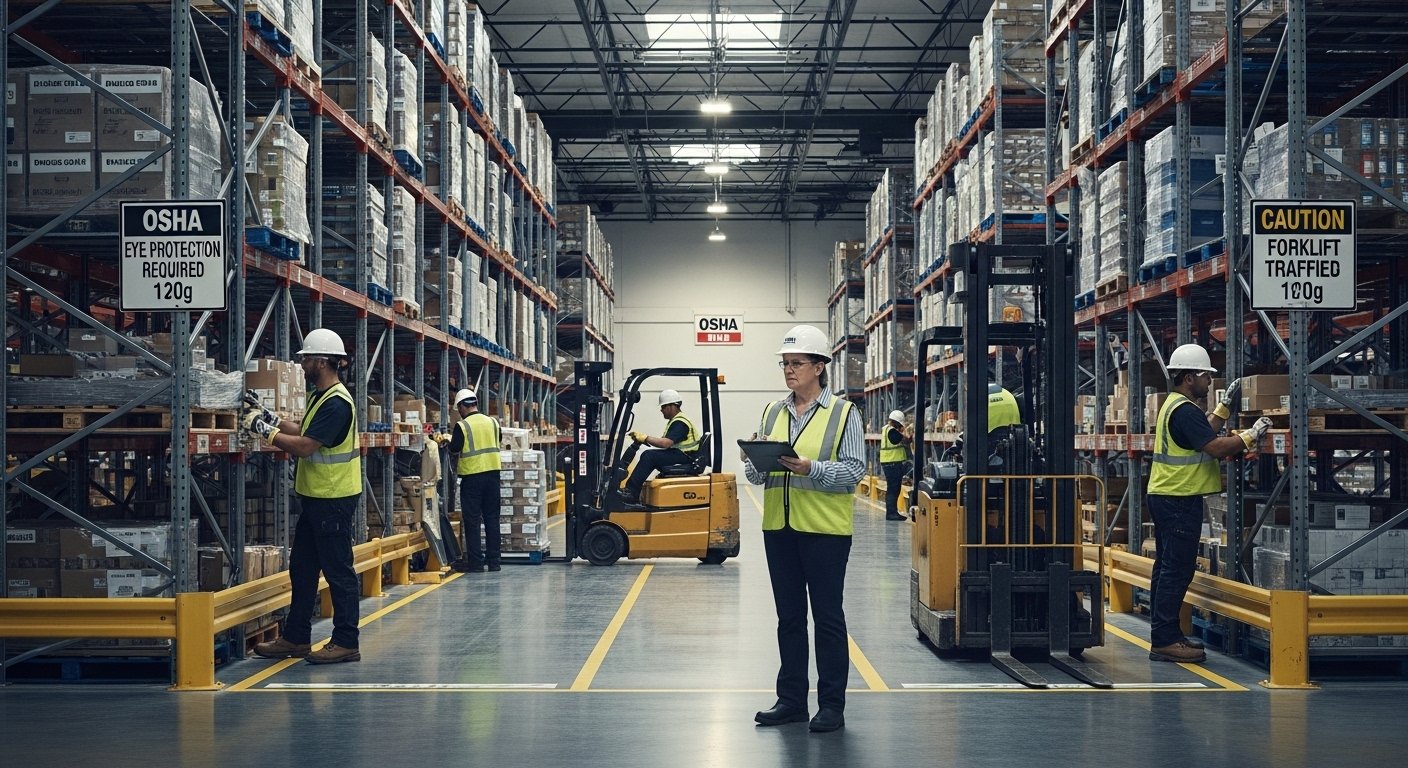
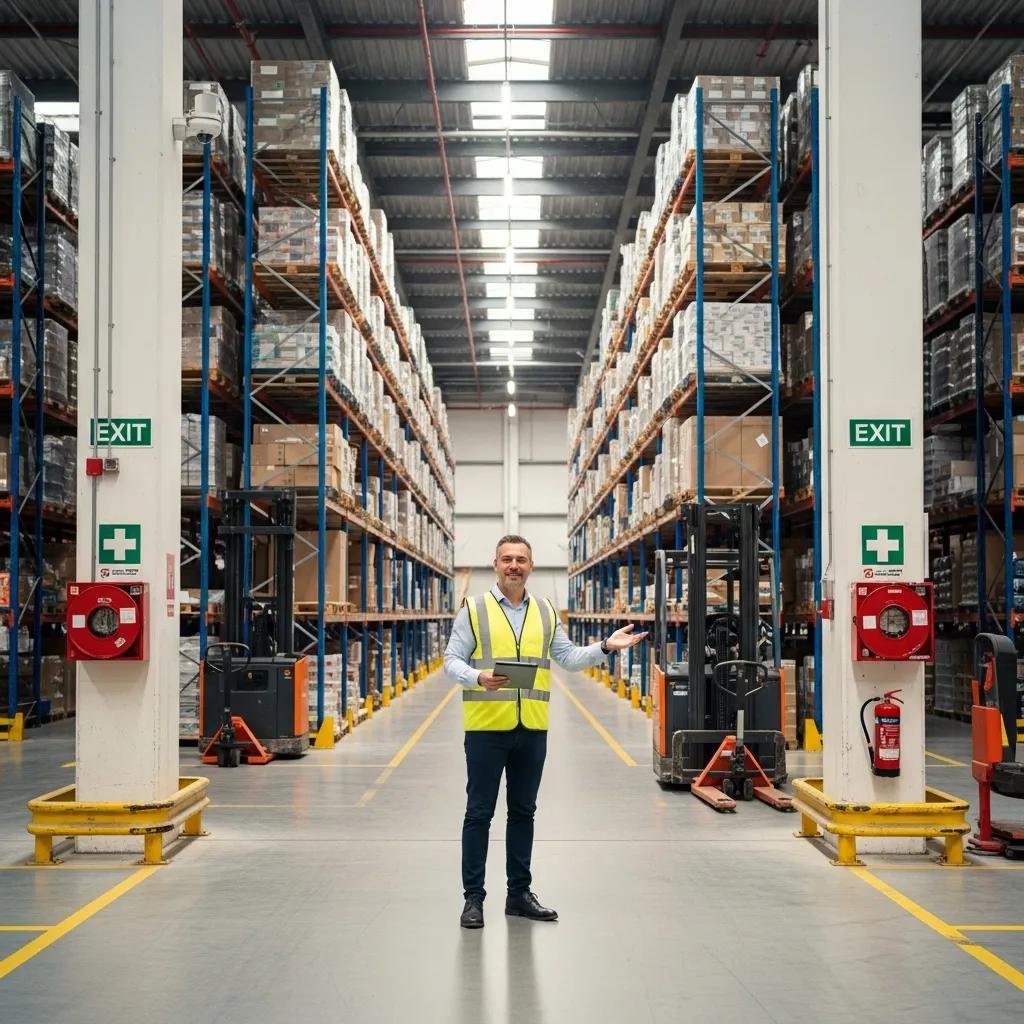
Warehouse safety covers the practices and protocols that protect staff and meet regulatory requirements. It affects health and productivity directly: compliance with OSHA and other relevant regulations cuts risk and helps maintain a safe workplace. Prioritising safety prevents accidents, lowers liability and builds a culture of safe work.
Understanding Compliance Audits

Compliance audits systematically check whether a warehouse meets safety standards, uncover hazards and confirm that protocols are being followed. Audits typically review health and safety procedures, employee training records and equipment maintenance logs. Regular audits help you stay ahead of issues and keep the workplace safe.
Employee Training Programs

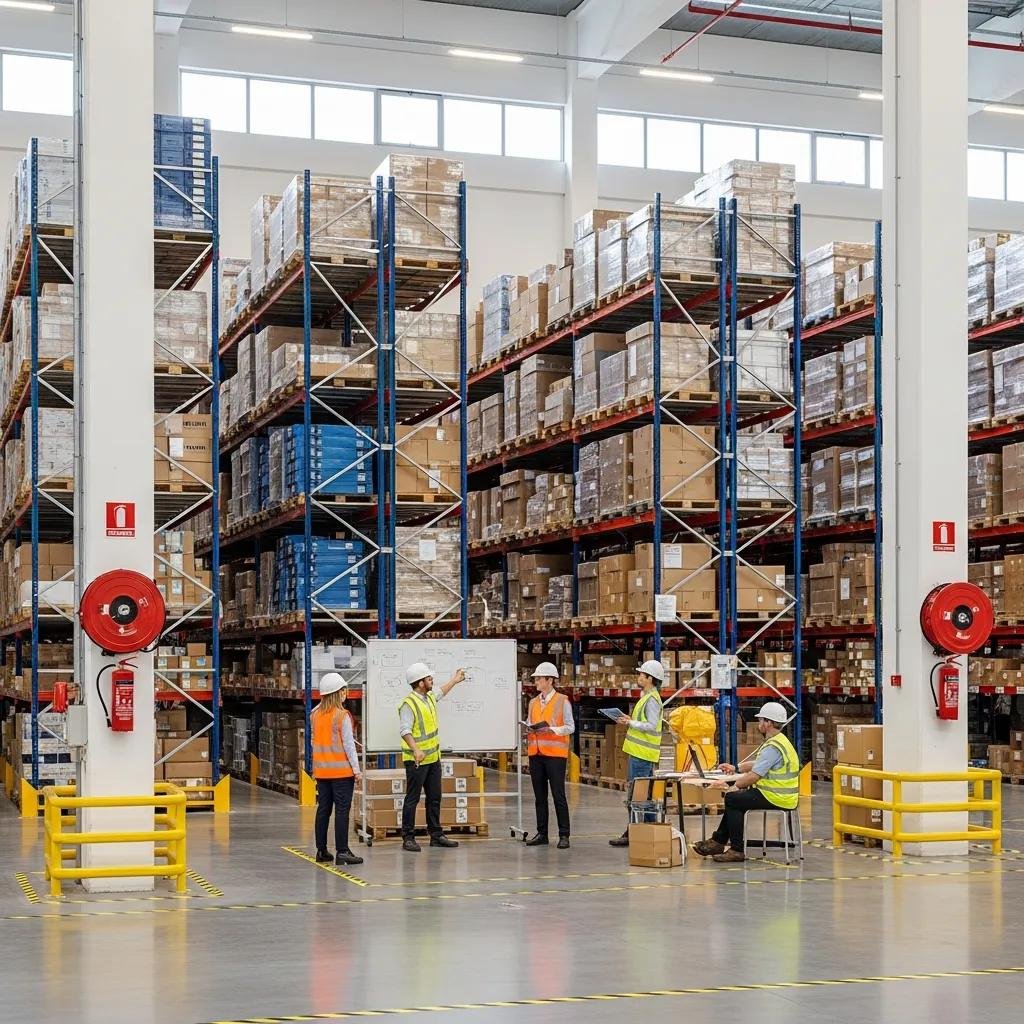
Training programmes give staff the knowledge and skills needed to keep the warehouse safe. Topics should include hazard identification, emergency response and correct use of personal protective equipment (PPE). Regular refresher courses keep employees current with safety protocols and compliance requirements.
Hazard identification and prevention training modules
Hazard identification modules teach staff to spot and assess risks around the warehouse, helping prevent incidents and ensuring employees can react effectively during emergencies.
Forklift safety and equipment operation training
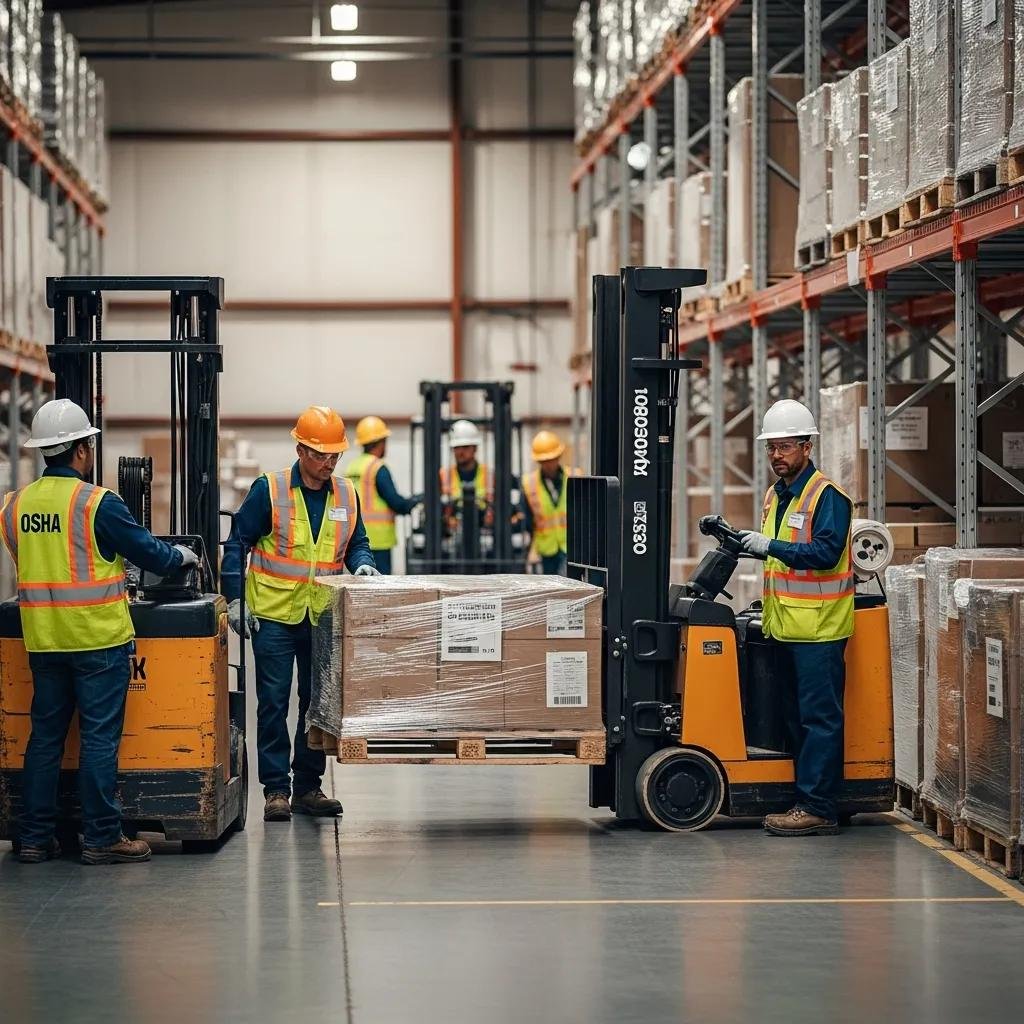
Forklift and equipment operation training is critical for anyone who handles heavy machinery. It covers safe operation, correct loading techniques, visibility concerns and routine maintenance.
Quantum Warehouse Solutions specializes in comprehensive warehouse safety and compliance services with a focus on tailored training programmes.
Common Compliance Issues
Spotting common compliance gaps is essential. Typical issues include improper storage, inadequate employee training and missed safety audits.
Quantum Warehouse Solutions can help address compliance gaps through expert consulting.
Preparation for Warehouse Inspections
Getting ready for inspections means running internal audits and keeping accurate records of training and equipment maintenance.
Post-Inspection Actions and Continuous Improvement
After an inspection, act quickly on any findings and implement corrective actions. Continuous improvement ensures long-term compliance.
Utilizing Technology for Compliance Management
Technology strengthens safety compliance by tracking training records, audits and documentation. VR training improves engagement and retention.
VR Training for Enhanced Warehouse Safety & Risk Management
Virtual reality safety training improves warehouse safety management and auditing skills.
A Al-Hamad, 2025
Best Practices for Maintaining Warehouse Safety
- Clear communication of safety protocols
- Regular safety audits
- Employee involvement in safety discussions
Conclusion
A strong warehouse safety training programme is essential for compliance and injury prevention. Focus on training, audits and employee engagement to build a safe workplace culture.