Table of Contents
ToggleEnd-to-End Warehouse Layout Design and Final Sign-OffComplete Warehouse Solutions: Expert Warehouse Layout Design to Final Sign-Off Process
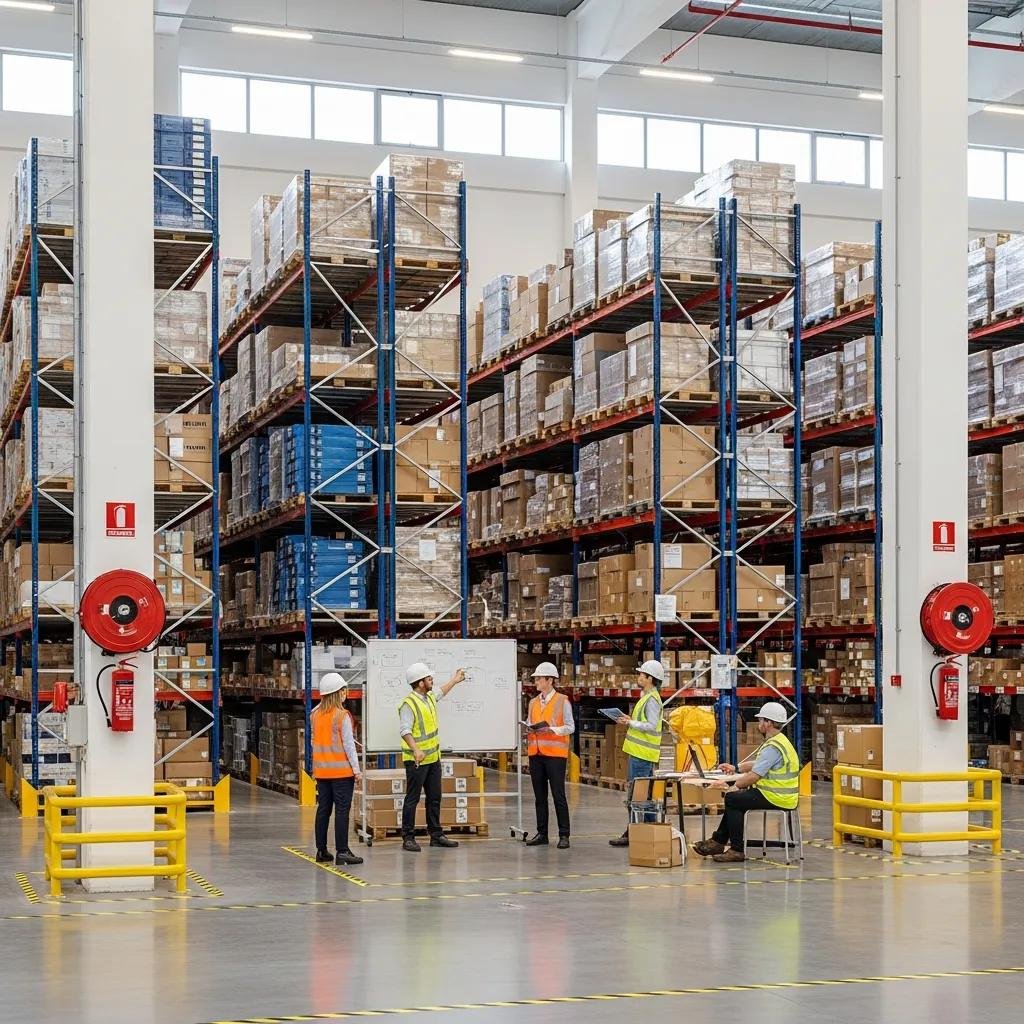
Creating an efficient warehouse layout reduces costs, improves productivity and keeps safety standards up to date. This article outlines the primary steps in layout design, how to sustain safety compliance through each project phase, and the core elements of warehouse project management. Review the complete warehouse solutions from design to final sign-off to streamline operations and improve throughput.
What are the essential steps in warehouse layout design for operational efficiency?
Good layout design maximises space and supports faster operations. Focus on needs assessment, smart racking choices and effective vertical storage to build a practical, efficient facility.
- Assessing Space Requirements: Map inventory types, volume and handling needs to size areas correctly.
- Implementing Strategic Racking Systems: Match racking type to goods and throughput to improve capacity and access.
- Maximizing Vertical Storage: Use height where safe to expand usable footprint and organise inventory.
These steps create a foundation for a layout that meets operational goals.
Warehouse Layout Redesign for Optimized Flow & Space
Warehouse managers want to redesign the layout and procedures. Currently items are not received, scanned, or shipped on time. The flow of people and items is chaotic and space is limited. The objective is to redesign layout, improve flow, standardize procedures, and calculate costs and benefits.
Layout and Procedure Re-Design of DCPP Receiving Warehouse, 2010
How does customized warehouse layout ensure compliance and safety?
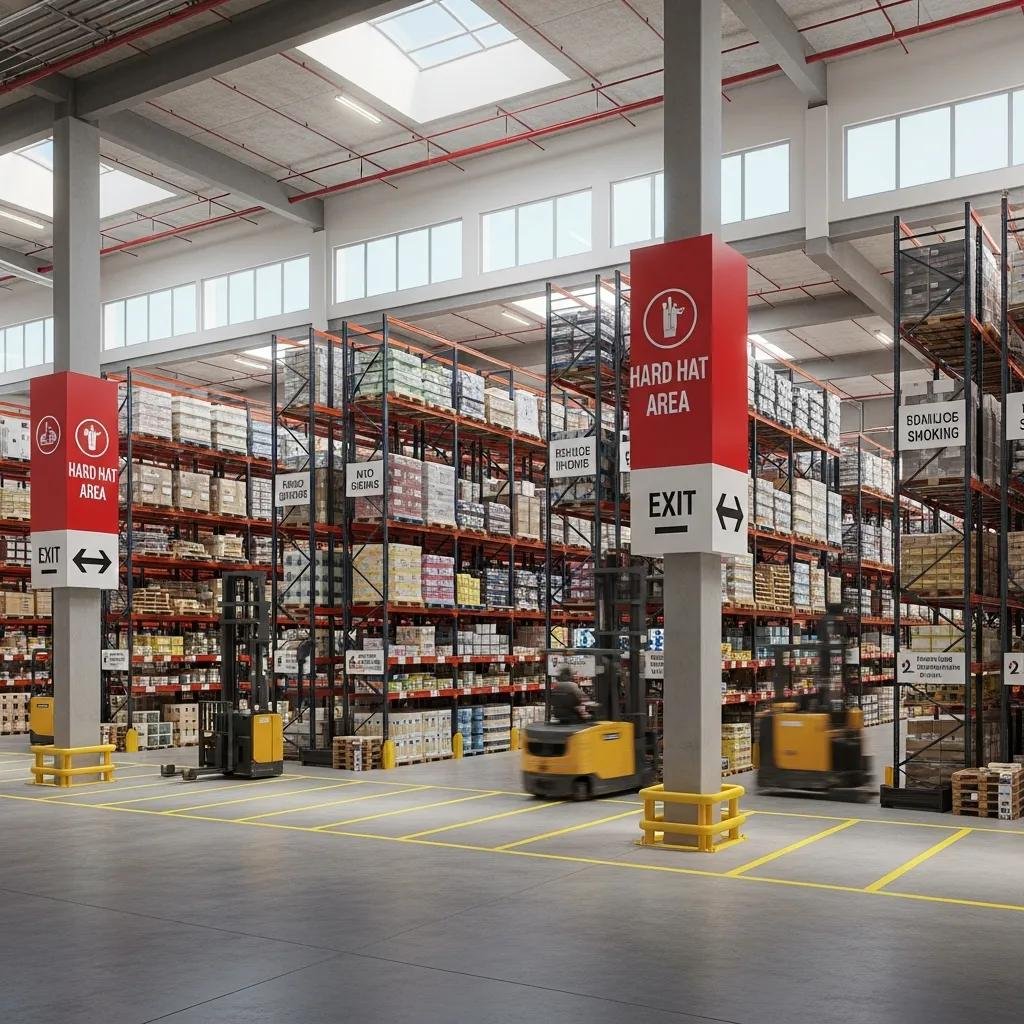
A customised layout reduces hazards and supports day-to-day compliance. Clear aisles, equipment placement and visible signage reduce risk and improve workflow.
- Adherence to Regulations: Design to meet safety and storage regulations from the outset.
- Optimized Storage Practices: Place high-use items for quick access and segregate hazardous materials.
- Clear Pathways and Signage: Mark routes and post instructions to prevent accidents.
These measures create a safer, compliant workplace.
Which best practices optimize warehouse facility planning and logistics integration?
- Strategic Racking Systems: Select racks by SKU size, turnover and equipment.
- Clear Pathways: Separate pedestrian and equipment paths.
- Regular Audits: Schedule audits to catch layout drift early.
These practices maintain accessibility, safety and throughput.
How to achieve full warehouse safety compliance throughout the project lifecycle?
- Familiarize with Regulations: Identify applicable rules early.
- Conduct Regular Audits: Verify controls and fix issues quickly.
- Prepare for Inspections: Maintain documentation and access readiness.
These actions reduce risk and support regulatory compliance.
What is involved in the final warehouse sign-off process?
- Assessment of Requirements: Confirm all standards are met.
- Gathering Documents: Compile reports and certificates.
- Final Inspection: Conduct walkthrough and record corrections.
These steps confirm operational readiness.
Conclusion
A focused warehouse layout and disciplined project management improve efficiency and maintain compliance. Following structured design, audits, and sign-off processes ensures safer and more productive operations.