Warehouse Compliance Audits: What They Are and Why They Matter
Warehouse compliance audits verify a facility meets regulatory and safety standards, uncover risks, confirm protocols, and help streamline operations. With regulators watching more closely, audits are essential to avoid fines and legal problems. This article explains what audits are, the rules that apply, how they are conducted, and why regular checks pay off.
What Is a Warehouse Compliance Audit and Why Is It Important?
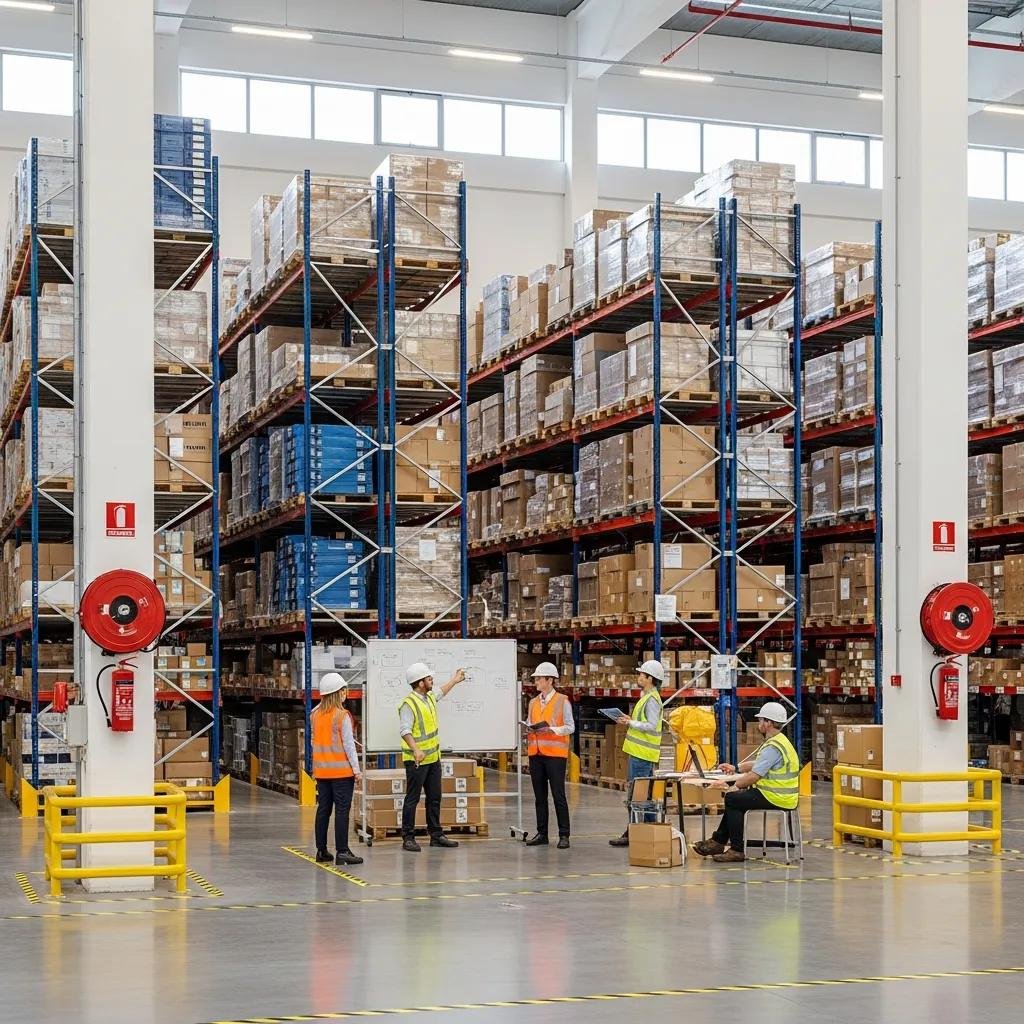
A warehouse compliance audit is a systematic review of operations to verify safety and regulatory compliance. These audits reveal gaps that can lead to hazards or legal exposure. Regular audits improve efficiency and protect employees while reducing the risk of fines and enhancing overall safety.
For comprehensive warehouse compliance audits, consider Quantum Warehouse Solutions.
Defining Warehouse Safety Inspections and Compliance Standards

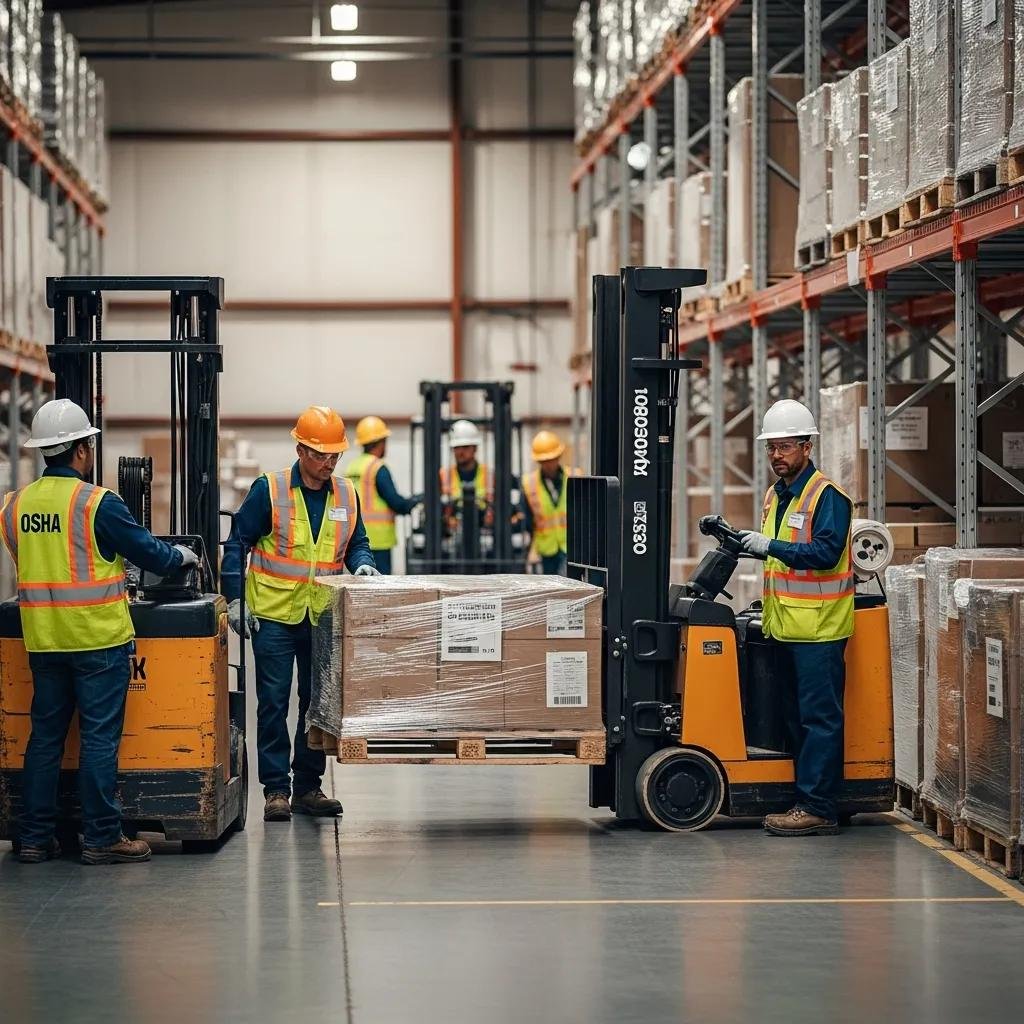
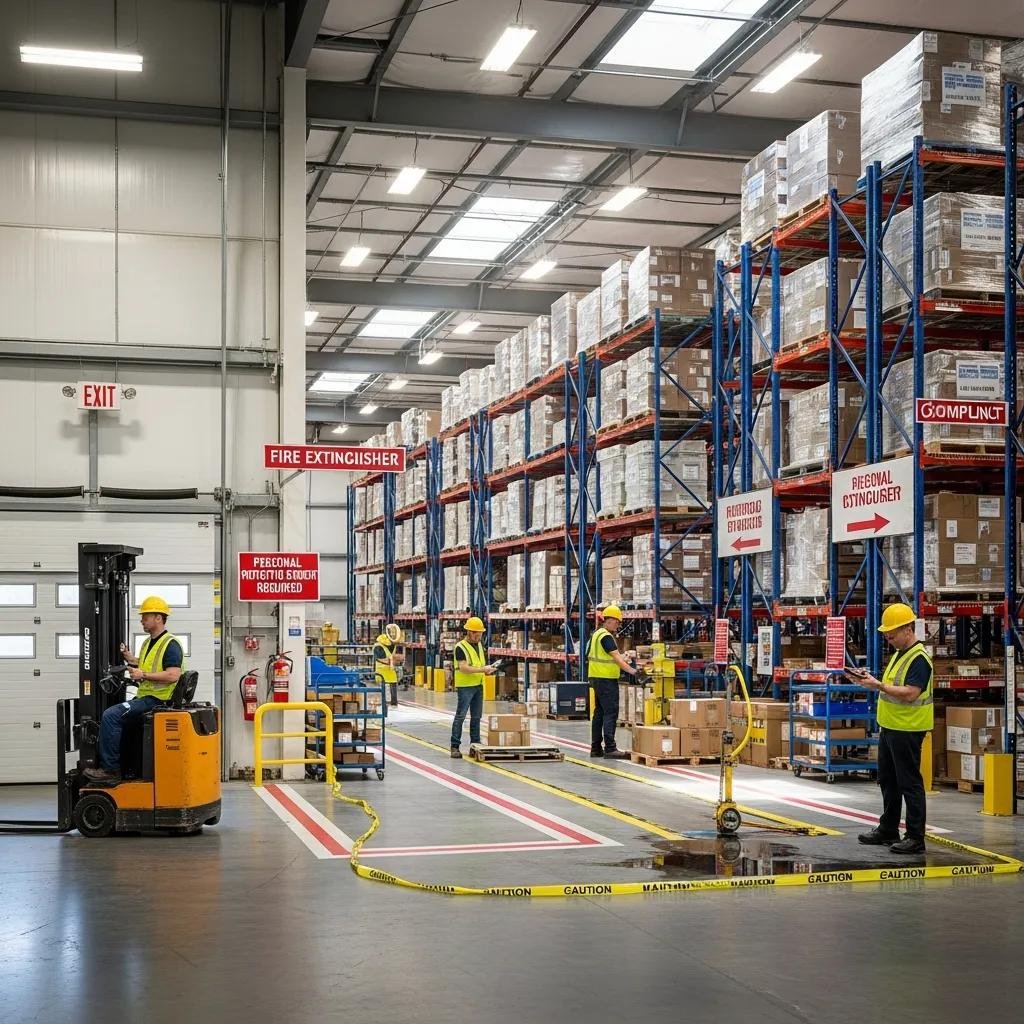
Warehouse safety inspections evaluate the physical site and daily practices to confirm compliance with OSHA guidelines and logistics standards. Common issues include weak safety protocols, insufficient training, and poor equipment maintenance. Preparation requires updated documentation and regular staff training.
Which Key Regulations and Standards Govern Warehouse Compliance?
Several core regulations govern warehouse safety and efficiency. Understanding them is essential for compliance and risk reduction.
Overview of OSHA Warehouse Regulations and Logistics Compliance Standards
OSHA regulations cover forklift safety, fire protection, and hazardous material handling. Logistics standards ensure safe storage and transport practices.
OSHA Compliance & Proactive Safety Audits for Warehouses
Internal audits help maintain OSHA compliance and improve workplace safety before external inspections occur.
OSHA compliance, BG Mujtaba, 2023
How Are Warehouse Compliance Audits Conducted?
A warehouse compliance audit follows a structured process including scope definition, inventory review, and risk assessment.
Step-by-Step Inventory Audit Procedures and Risk Assessment Methods

Audits begin with scope definition, followed by inventory checks and risk assessments to identify hazards and apply corrective controls.
Key Benefits of Regular Warehouse Compliance AuditsWhat Are the Benefits of Conducting Regular Warehouse Compliance Audits?
Regular audits improve safety, reduce costs, and increase operational efficiency.
| Benefit | Description | Impact Level |
|---|---|---|
| Improved Safety | Identifies hazards and strengthens protocols | High |
| Cost Savings | Reduces insurance costs and prevents fines | Medium |
| Operational Efficiency | Optimizes workflows and productivity | High |
Conclusion
Warehouse compliance audits are essential for safety, efficiency, and regulatory compliance. Regular reviews help identify risks early and improve operations across the board.