Table of Contents
ToggleWarehouse Housekeeping Standards: Essential Safety and Compliance Guidelines for Efficient Operations
Warehouse housekeeping is essential for operational efficiency and workplace safety in industrial settings, covering practices that keep facilities clean, organised and compliant with safety rules. Good housekeeping improves functionality and lowers accident risk. This article outlines key standards, the effect of OSHA rules, cleaning procedures, audits and training so managers can run safer, more efficient operations.
What Are the Key Warehouse Housekeeping Standards?
Housekeeping standards define routines, storage rules and training needed to keep the workplace clean and safe. Regular cleaning schedules, correct storage practices and staff training reduce hazards and improve operational efficiency.
Definition and Importance of Warehouse Housekeeping
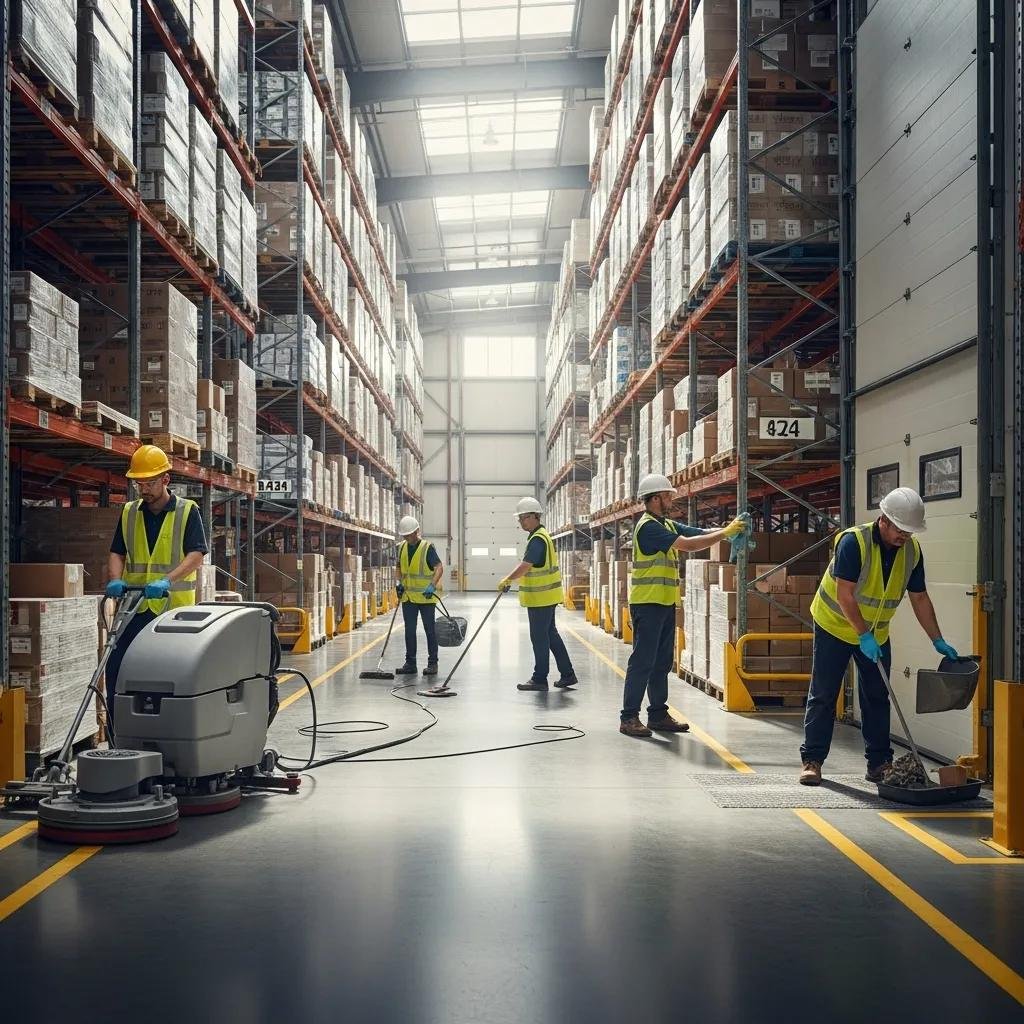
Warehouse housekeeping is a systematic approach to keeping facilities clean and orderly. It reduces accidents from clutter or hazardous materials and speeds operations by cutting the time spent locating tools and materials.
Lack of proper housekeeping can severely impair operational efficiency and waste valuable storage space.
5S for Warehouse Housekeeping & Efficiency
Housekeeping was not adopted in GSDW, which resulted in low space utilization, unnecessary movements and unclean work areas.
An efficient drug warehouse operations: An application of 5S, A Dixit, 2019
Core Procedures and Best Practices for Industrial Warehouse Cleaning
- Regular Inspections: Conduct routine checks to identify and address potential hazards.
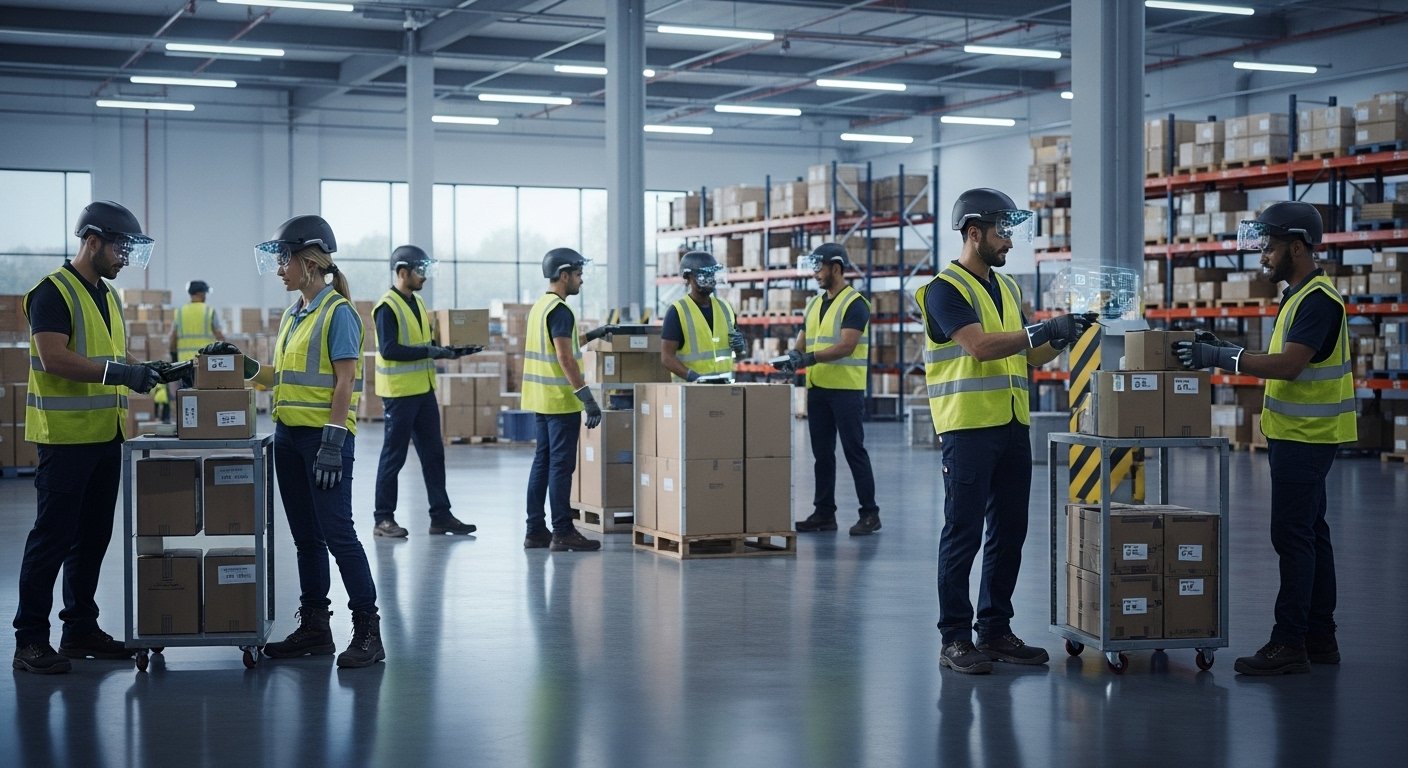
- Use of Personal Protective Equipment (PPE): Ensure employees wear appropriate safety gear during cleaning tasks.
- Clear Pathways: Keep aisles and emergency exits free from obstructions.
How Do Warehouse Safety Requirements and OSHA Compliance Impact Housekeeping?
OSHA and other safety requirements shape housekeeping practices. Meeting these regulations protects employees and helps avoid legal penalties.
Understanding OSHA Standards Relevant to Warehouse Housekeeping
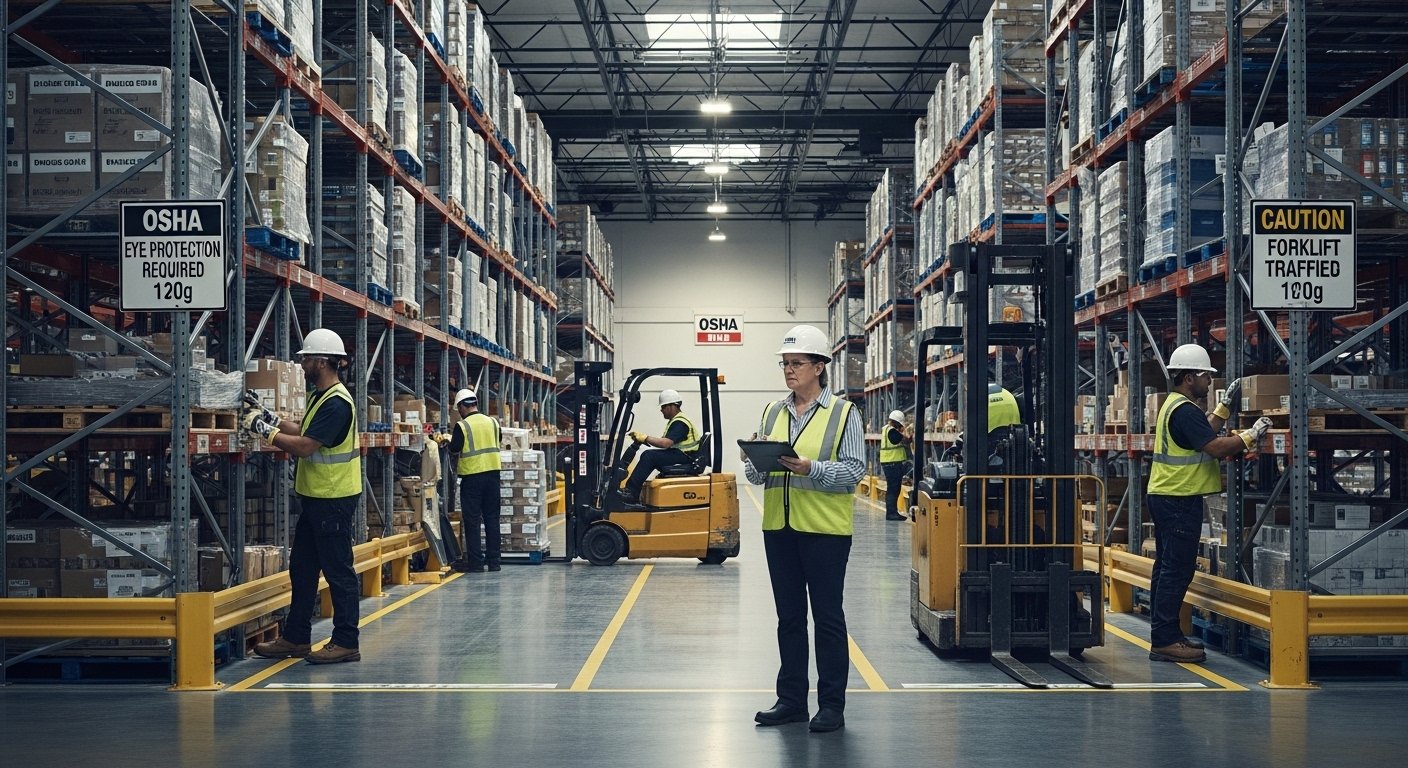
Relevant OSHA standards cover hazard communication, personal protective equipment and general housekeeping practices. These rules protect staff from workplace hazards.
OSHA’s Impact on Warehouse Safety & Compliance
The Occupational Safety and Health Act, passed in 1970, had a major effect on warehousing and other high-risk industries…
Safety, Sanitation and Housekeeping, 1990
What Are Effective Warehouse Cleaning Procedures and Maintenance Checklists?
- Initial Assessment: Evaluate cleaning needs and identify hazardous areas.
- Cleaning Schedule: Establish a regular cleaning timetable.
- Final Inspection: Ensure all areas are safe and compliant after cleaning.
- Daily Cleaning Tasks: Routine cleaning activities
- Weekly Inspections: Safety and maintenance checks
- Training Updates: Keep staff updated on procedures
How Can Compliance Audits and Safety Training Improve Warehouse Housekeeping?
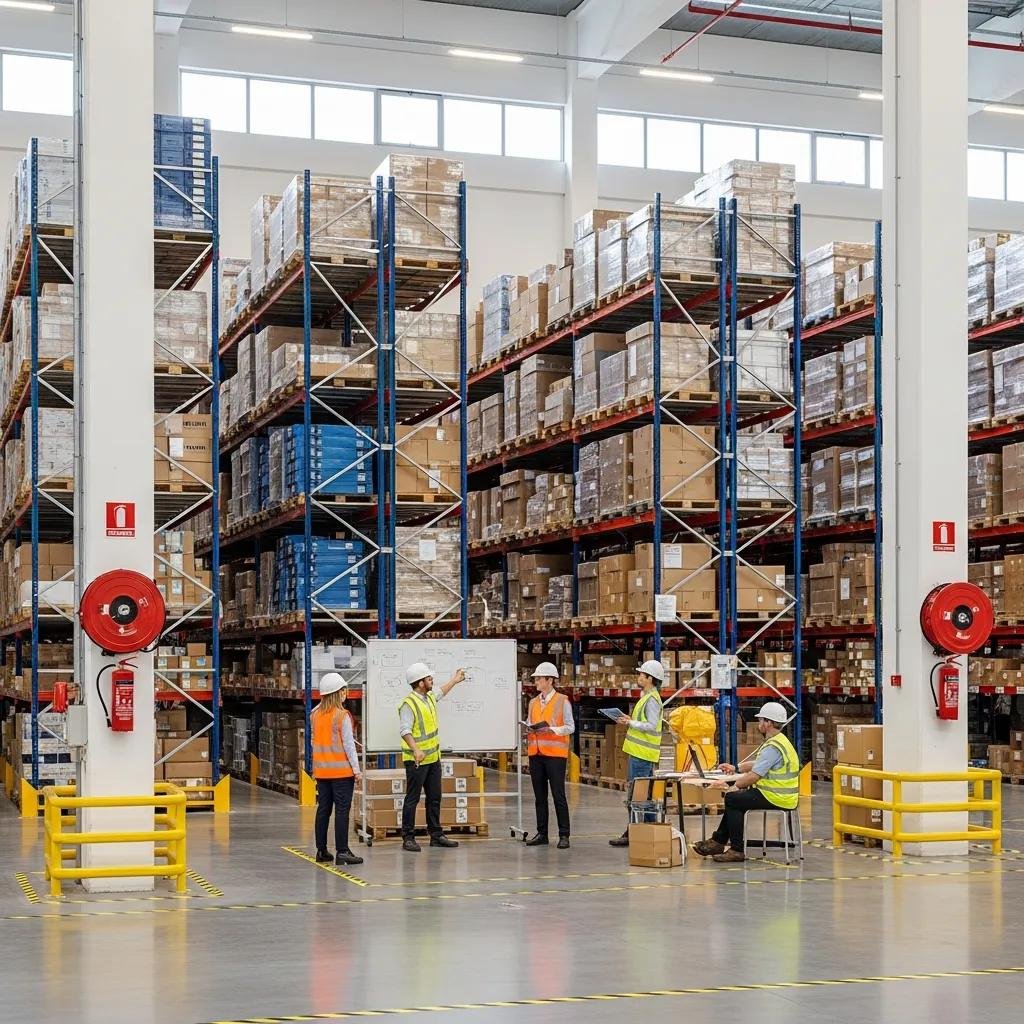
Audits and training identify hazards and ensure employees understand procedures and expectations.
- Interactive Learning: Hands-on training improves retention
- Regular Updates: Keep training current
- Feedback: Improve programs based on employee input
Adhering to warehouse housekeeping standards is essential for safety and efficiency. Applying effective cleaning procedures, OSHA compliance and training builds a safer workplace.
Conclusion
High warehouse housekeeping standards are vital for safety and operational efficiency. Implementing cleaning procedures, compliance systems and training reduces risk and improves productivity.