
Ensure your warehouse is fully compliant with regulations by understanding the importance of compliance audits.
When it comes to running a warehouse, there’s one thing that can’t be overlooked – warehouse compliance audits. While they may not be the most exciting topic, they are a crucial part of maintaining the safety, efficiency, and legality of your operations. Whether you’re dealing with high-pile storage, hazardous materials, or simply trying to stay on top of evolving regulations, a warehouse compliance audit ensures that your business is fully in line with industry standards and legal requirements.
What are Warehouse Compliance Audits?
A warehouse compliance audit is a comprehensive review of your warehouse operations to ensure that they meet all relevant regulatory requirements. These audits assess everything from health and safety protocols to storage methods, equipment maintenance, and employee training. In short, they evaluate whether your operations are adhering to local, state, and federal guidelines.
Why does this matter? Simple! Compliance is non-negotiable. Failing to comply with regulations can lead to costly fines, work stoppages, and even legal issues. But the benefits of a warehouse compliance audit go beyond just avoiding penalties. They can also enhance safety, improve operational efficiency, and reduce the risk of workplace accidents.
Benefits of Proactive Warehouse Compliance Audits
- Safety First: The most obvious benefit of warehouse compliance audits is the improvement in safety. By identifying potential hazards, such as improper storage or unsafe equipment, audits help you prevent accidents before they happen. This is not only good for employees but also for the overall productivity and morale in your warehouse.
- Reduce Liability Risks: Compliance audits ensure that you are meeting the necessary requirements, which can protect your business from legal liabilities. For instance, not adhering to OSHA warehousing guidelines can lead to serious legal consequences. By staying ahead of these requirements, you ensure your business is legally protected.
- Cost Savings: Regular audits help identify inefficiencies and waste in warehouse operations. By addressing these issues early, you can save significant amounts on operational costs, such as energy usage, equipment repairs, or even potential lawsuits from workplace accidents.
- Improved Reputation: Businesses that prioritize safety and compliance are viewed more favorably by customers, suppliers, and regulatory bodies. By ensuring that your warehouse is fully compliant with all regulations, you can improve your reputation and even boost customer loyalty.
Key Areas of Focus During a Warehouse Compliance Audit
- Health and Safety Protocols: Ensuring that all safety equipment is properly maintained and accessible.
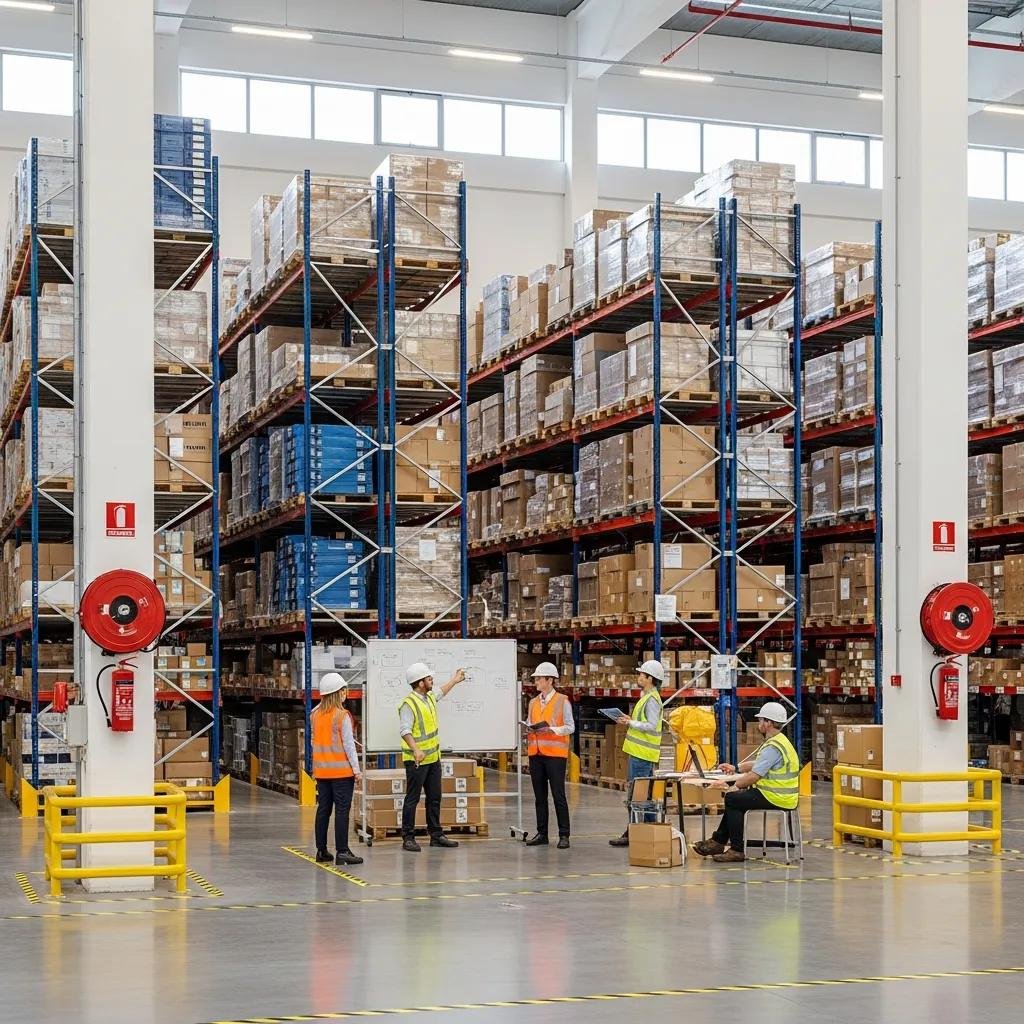
- Storage Practices: Complying with regulations for high-pile storage, hazardous materials, and more.
- Employee Training: Ensuring all employees are trained on safety protocols and proper operational procedures.
- Equipment Maintenance: Verifying that all warehouse equipment meets safety standards and is properly maintained.
One critical aspect of warehouse compliance audits is understanding specific permits like high pile storage permits. These are essential for ensuring your warehouse is properly permitted for this type of storage, as there are distinct regulations that apply to high-pile storage systems.
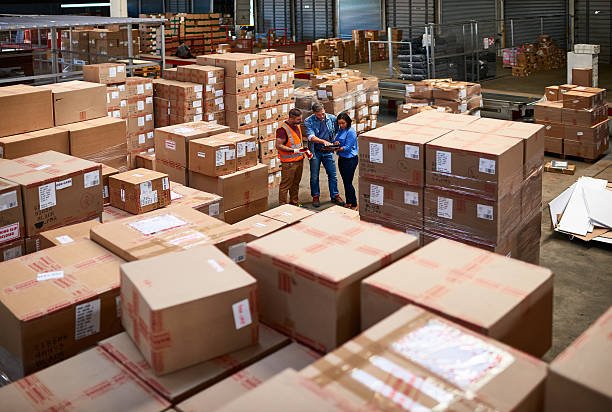
Understanding OSHA Warehousing Guidelines
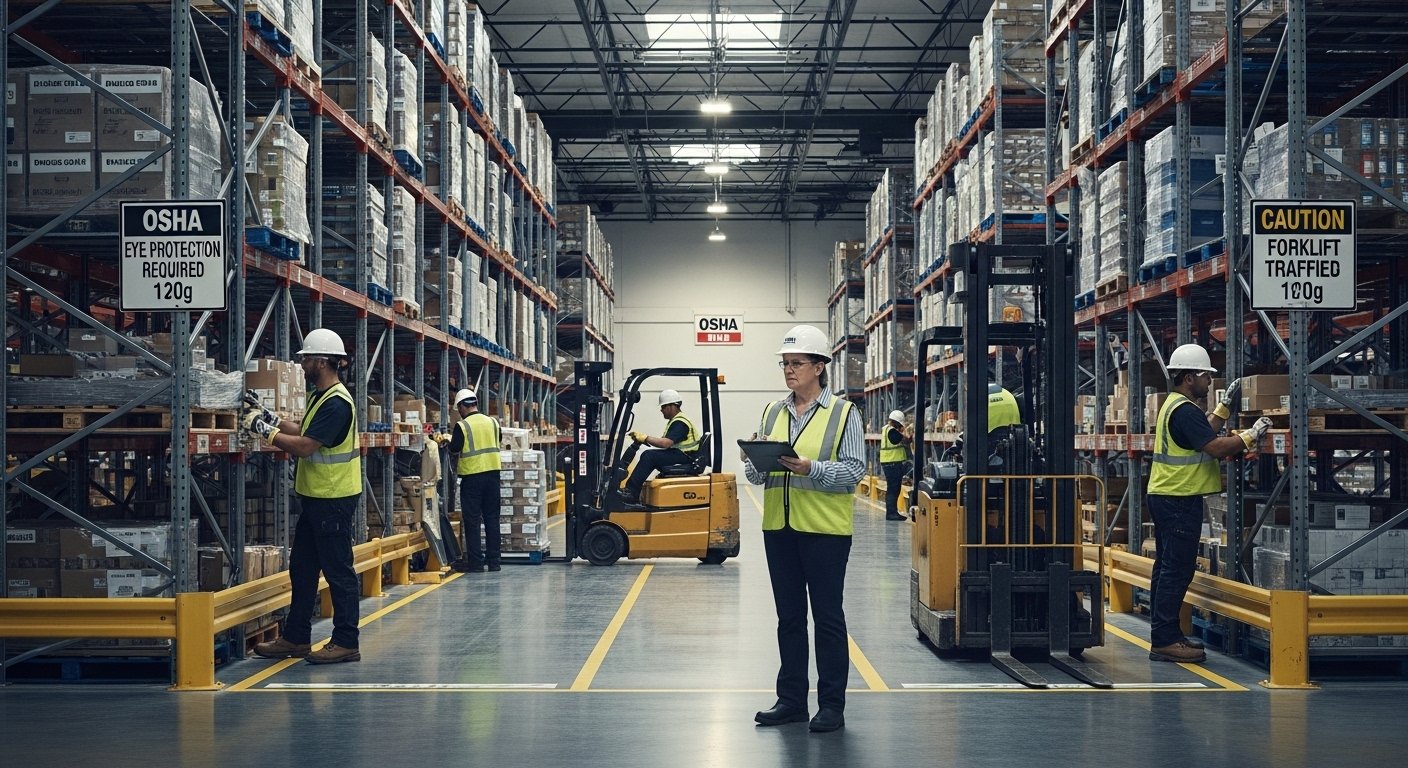
One of the most crucial regulations to be aware of is the OSHA warehousing guidelines. These guidelines are issued by the Occupational Safety and Health Administration to ensure safe working conditions in warehouses and distribution centers. The guidelines address a broad array of topics, such as:
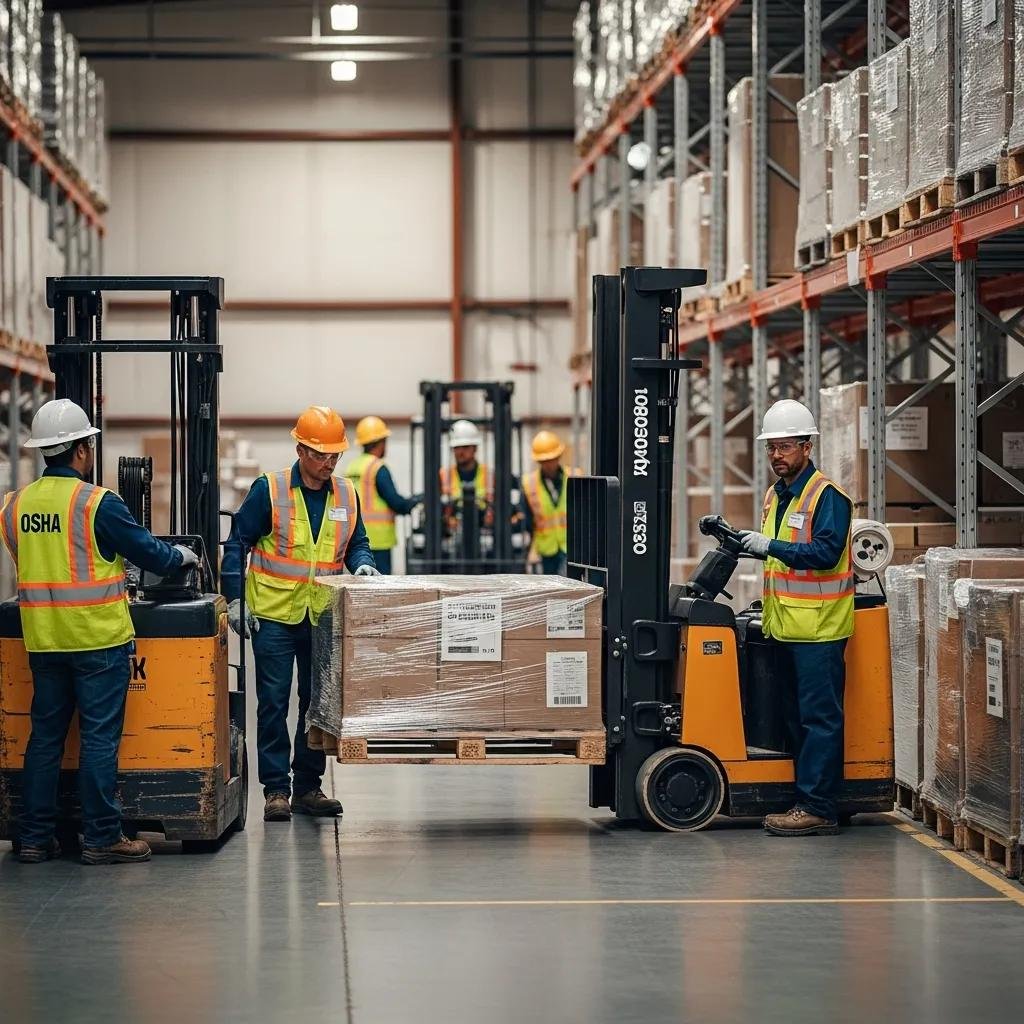
- Forklift Safety: Proper operation, training, and maintenance of forklifts and other material handling equipment.
- Fall Protection: Proper fall protection measures for employees working at height or near unguarded edges.
- Fire Safety: Storage and handling of flammable materials, ensuring the presence of fire extinguishers, and clear access to emergency exits.
- Hazardous Material Handling: Guidelines on safe storage and labeling of hazardous chemicals to prevent accidents or exposure.
By adhering to OSHA warehousing guidelines, you minimize risks and ensure the safety of your employees while also avoiding legal repercussions. These regulations are designed to reduce workplace injuries and fatalities, which is why they should always be a key focus during any warehouse compliance audit.
Take Action: Make Sure Your Warehouse is Compliant
If you’re not sure where your warehouse stands in terms of compliance, it’s time to take action. Quantum Warehouse Solutions specializes in ensuring warehouses meet all necessary safety and compliance regulations. Our team can conduct thorough warehouse compliance audits to make sure you’re meeting all necessary requirements – no matter how complex.
We also encourage businesses to explore resources such as OSHA warehousing guidelines to stay up to date with changing regulations. It’s always better to be proactive than reactive, so make sure your warehouse operations are in compliance today.
Conclusion
Don’t wait until a problem arises. Warehouse compliance audits are an investment in your business’s future, safety, and profitability. Visit Quantum Warehouse Solutions today to schedule a compliance audit and ensure your warehouse is fully compliant with all the necessary regulations.
By making compliance a priority, you safeguard your business and pave the way for smoother, more efficient operations. Don’t leave your warehouse’s safety and compliance to chance. Let us help you take control today!