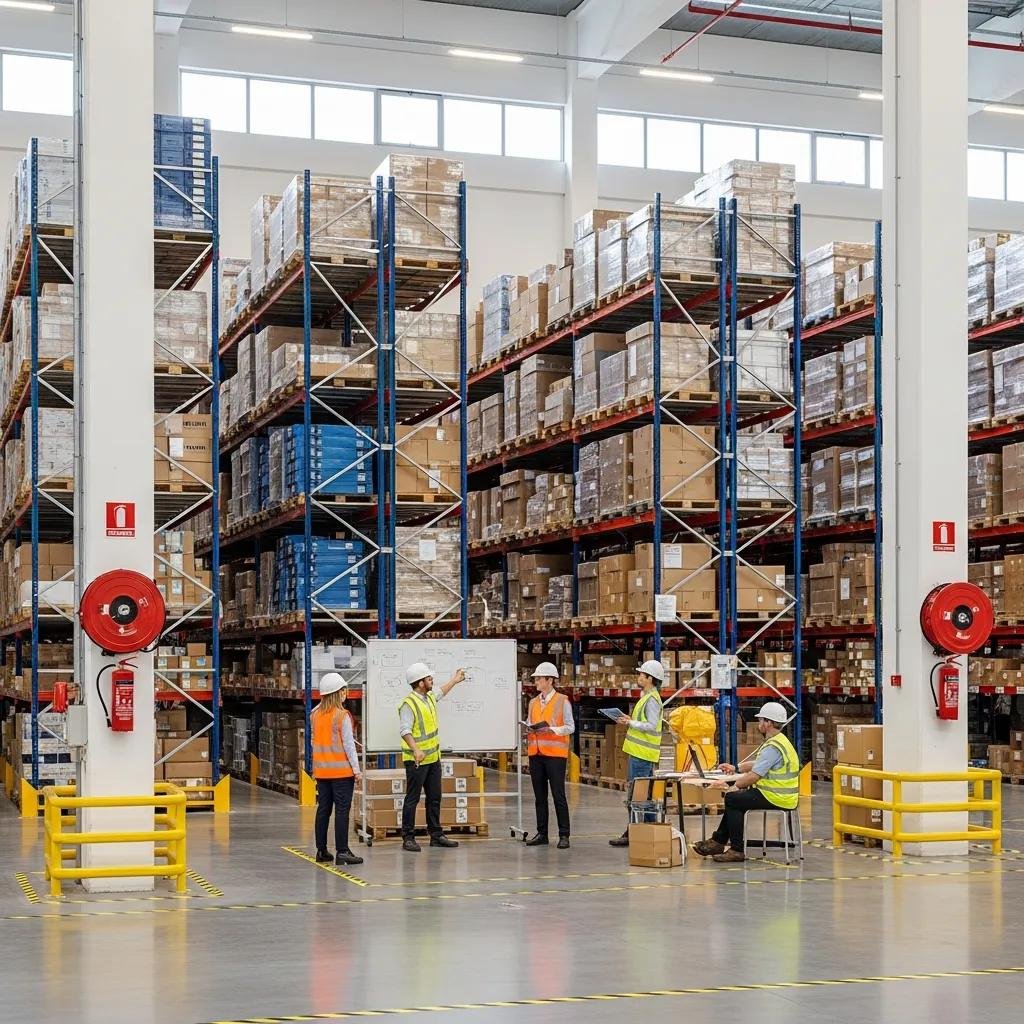

Discover how to maintain storage system compliance and ensure safety in your warehouse operations.
Warehouses must follow strict regulations to maintain efficiency and safety. Storage system complianceensures that storage structures, fire safety measures, and operational procedures meet industry standards. Non-compliance can lead to safety hazards, legal penalties, and operational inefficiencies. This guide explores common compliance challenges, practical solutions, and how to ensure your warehouse meets all necessary requirements.
A well-organized warehouse relies on compliance with safety and operational regulations. Storage system compliance involves adhering to industry standards for racking systems, fire codes, and load capacities. Compliance reduces workplace injuries, minimizes product damage, and ensures smooth operations. Understanding the challenges and solutions is essential for maintaining an efficient and legally sound warehouse.
Common Compliance Challenges
Many warehouses face difficulties in meeting storage system compliance standards. Some of the most common issues include:
- Overloading Racks– Exceeding weight limits can cause rack failure, leading to safety hazards.
- Lack of Fire Safety Measures –High-pile storage requires adequate sprinkler systems and fire-resistant materials.
- Improper Rack Installation– Incorrect assembly or lack of inspections can compromise structural integrity.
- Failure to Obtain Permits– Some storage systems require special permits, such as high pile storage permits, which regulate fire protection requirements.
- Inadequate Employee Training –Employees must understand proper storage practices to ensure compliance and workplace safety.
Key Regulations and Industry Standards
To maintain storage system compliance, warehouses must follow industry standards, including:
- Occupational Safety and Health Administration (OSHA) Regulations –Ensure safe handling, stacking, and storage of materials.
- National Fire Protection Association (NFPA) Standards –Compliance with fire safety measures, including sprinkler system requirements.
- Racking System Guidelines– Adhering to manufacturer specifications for weight limits, spacing, and seismic protection.
- High Pile Storage Permits– Required for warehouses storing goods above a certain height, ensuring proper fire protection measures are in place.

Solutions for Ensuring Compliance
Warehouses can take several steps to improve storage system compliance:
- Conduct Regular Inspections– Schedule frequent rack inspections to identify structural weaknesses or overloading.
- Invest in Fire Safety Systems– Install fire suppression systems and ensure compliance with NFPA standards.
- Follow Proper Rack Installation Procedures– Use certified professionals to install and inspect racking systems.
- Obtain Necessary Permits– Ensure compliance with high pile storage permits to avoid fines and operational disruptions.
- Train Employees on Safety Standards– Provide ongoing training on proper stacking, material handling, and emergency procedures.
Final Steps to Achieve Warehouse Storage System ComplianceConclusion
Maintaining storage system compliance is crucial for warehouse safety and efficiency. By addressing common challenges, following industry regulations, and implementing proactive solutions, warehouses can operate smoothly while avoiding legal and safety risks.
Ensure your warehouse meets storage system compliance standards with expert guidance from Quantum Warehouse Solutions. Visit ustoday to learn more about compliance strategies and permit requirements, including high pile storage permits.