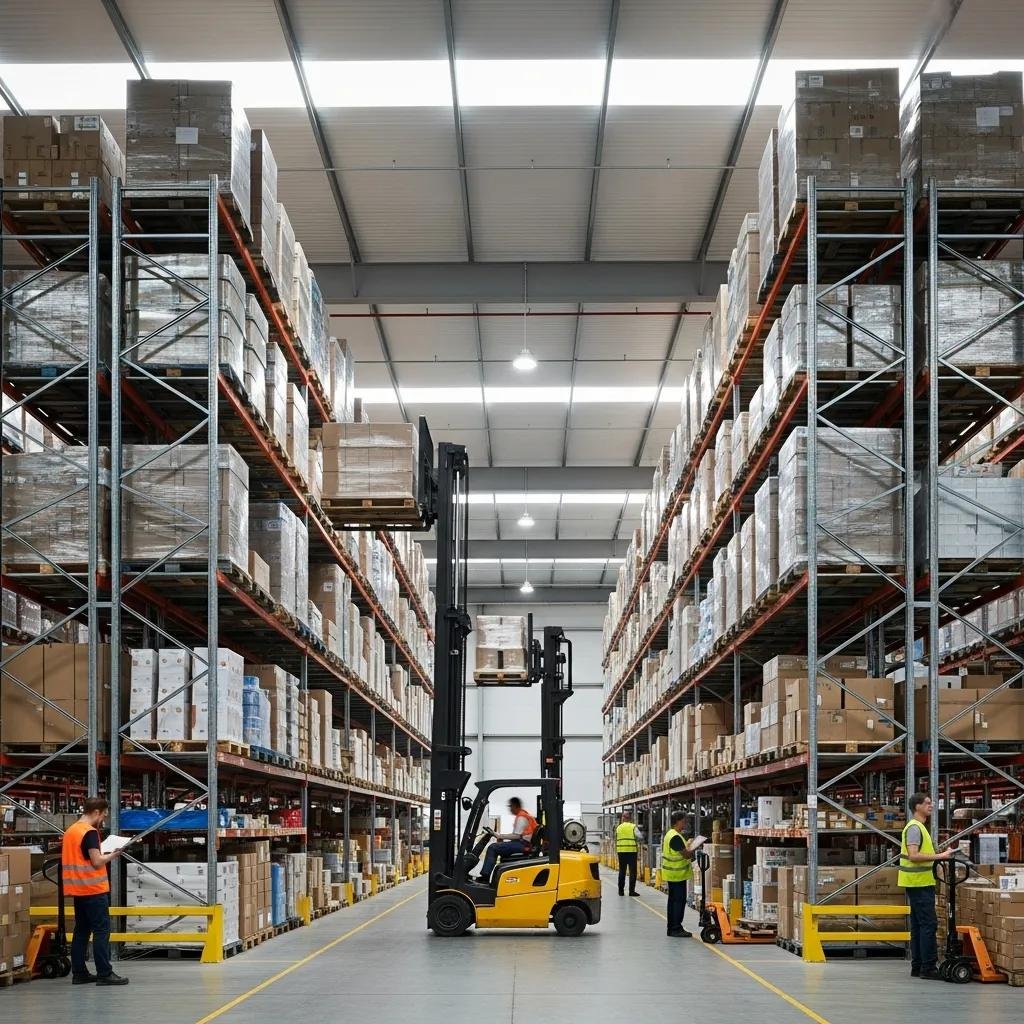
Best Practices for Storage Management
- Effective Stacking Techniques: Follow load limits and stable stacking rules.
- Maintaining Clear Aisles: Ensure emergency access routes remain open.
Regular Inspections
Inspect for overstacking, blocked sprinklers, and damage regularly.
Frequently Asked Questions
What are the benefits of high-pile storage beyond space optimization?
It increases storage density and improves operational efficiency when properly designed.
How can businesses assess fire safety compliance?
Through audits, inspections, and fire marshal reviews.
What role does employee training play?
Training reduces risk and ensures compliance with storage procedures.
What technologies improve safety?
ESFR sprinklers, detection systems, and warehouse management software improve safety and compliance.
Key Takeaways: High-Pile Commodity Classification and ComplianceConclusion
Commodity classification is essential for safe and compliant high-pile storage. Aligning materials, fire protection, and procedures with code requirements reduces risk and improves warehouse efficiency.
High-Pile Commodity Classification Explained
High-pile storage stacks goods vertically to maximize space, but it raises distinct safety and regulatory issues. Correct commodity classification determines required protections, influences permit needs, and guides storage layouts. This article summarizes how classifications affect fire-safety measures, the main codes to know, and practical steps to keep high-pile operations compliant and safe.
What is High-Pile Storage and Why is Commodity Classification Important?
High-pile storage commonly refers to stacking above typical limits (often over 12 feet). Classification of stored commodities—based on combustibility, flammability, or corrosivity—drives sprinkler design, clearances, allowable heights, and other fire-protection choices.
Defining High-Pile Storage in Warehouses
High-pile systems let facilities increase capacity by using vertical space. Maximum permitted heights and configurations depend on the commodity class and installed fire protection, so planning must match storage type to system capability.
How Commodity Classification Affects Storage Requirements
Commodity classification determines required clearances, sprinkler density, aisle widths, and segregation. Flammable and combustible items typically require stricter controls than noncombustible goods.
Which Commodity Classes Impact High-Pile Storage Regulations?
Regulations vary by class; knowing each class for stored items is the first compliance step.
Overview of Commodity Hazard Classes: Flammable, Combustible, Corrosive

- Flammable: Ignite easily; strict storage measures required.
- Combustible: Less easily ignited but still a fire risk.
- Corrosive: Can damage containers and require containment.
What are the Fire Safety Codes and Permit Requirements for High-Pile Storage?
Fire codes set minimum requirements for protection, detection, and documentation. Local authorities typically require permits for high-pile areas and review plans against applicable standards.
Key Fire Codes: NFPA 13 and NFPA 230 Explained

NFPA 13 covers sprinkler system design and installation; NFPA 230 addresses storage practices and commodity-related fire protection requirements.
How to Ensure Compliance and Mitigate Risks in High-Pile Storage?
Risk reduction combines engineering controls, procedures, and training.
Consulting Services
Specialist consultants help align storage systems with fire codes.
Permit Application Assistance
Professional support ensures complete and accurate submissions.
Regular Compliance Audits
Audits identify deviations from approved storage configurations.
Fire Protection Engineering
Engineered sprinkler and detection systems must match commodity risks.
Training and Education
Training ensures safe stacking and emergency preparedness.
Best Practices for Storage Management
- Effective Stacking Techniques: Follow load limits and stable stacking rules.
- Maintaining Clear Aisles: Ensure emergency access routes remain open.
Regular Inspections
Inspect for overstacking, blocked sprinklers, and damage regularly.
Frequently Asked Questions
What are the benefits of high-pile storage beyond space optimization?
It increases storage density and improves operational efficiency when properly designed.
How can businesses assess fire safety compliance?
Through audits, inspections, and fire marshal reviews.
What role does employee training play?
Training reduces risk and ensures compliance with storage procedures.
What technologies improve safety?
ESFR sprinklers, detection systems, and warehouse management software improve safety and compliance.
Key Takeaways: High-Pile Commodity Classification and ComplianceConclusion
Commodity classification is essential for safe and compliant high-pile storage. Aligning materials, fire protection, and procedures with code requirements reduces risk and improves warehouse efficiency.