Loading Dock Safety Rules: Essential Procedures and Compliance Guidelines for Warehouse Safety
Dock safety protects people and keeps the supply chain moving. This guide summarises key OSHA rules, hazard-prevention steps, and practical compliance actions to reduce accidents and keep dock operations efficient.
Making safety a core value is vital for sound warehouse operations and regulatory compliance.
Warehouse Safety: Preventing Incidents & OSHA Compliance
Scannell, former head of OSHA during President George Bush’s administration, argued that companies should treat safety as a workplace value rather than a mere checklist item.
Warehouse safety: a practical guide to preventing warehouse incidents and injuries, 1999
What Are the Key OSHA Loading Dock Standards for Safety Compliance?
OSHA sets minimum requirements to keep loading and unloading safe, covering design, training, and equipment safeguards that reduce accident risk.
Which OSHA requirements apply specifically to loading dock operations?

Key areas include dock design, clear markings, and worker training to address common hazards.
- Structural Integrity: Loading docks must support vehicle and load weight to keep operations stable.
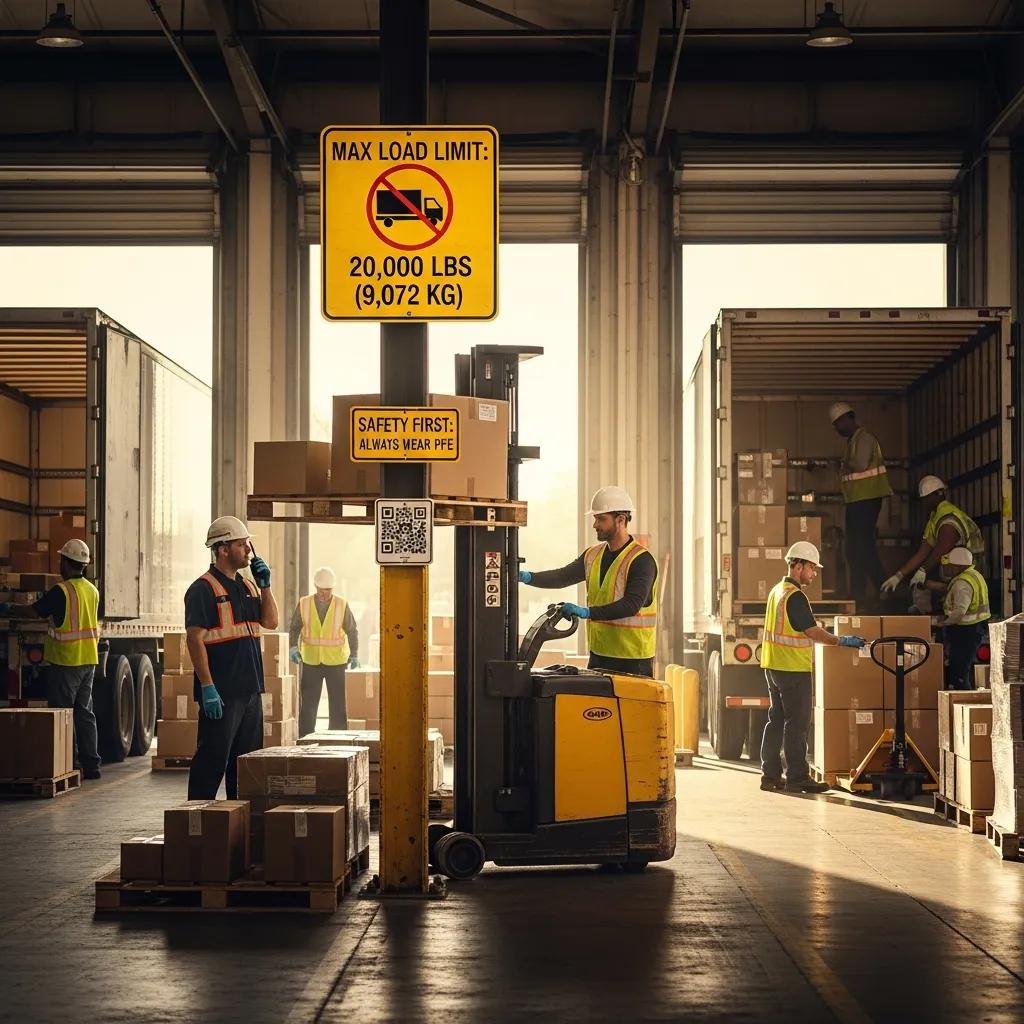
- Load Limits and Markings: Mark load limits clearly to prevent overloading and structural strain.
- Training Mandates: Provide training on safe loading, equipment use, and required PPE.
Critical Loading Dock Safety Procedures
Critical procedures—training, inspections, and clear emergency protocols—reduce risk and speed response when incidents occur.
- Training: Regular training keeps workers familiar with protocols and best practices.
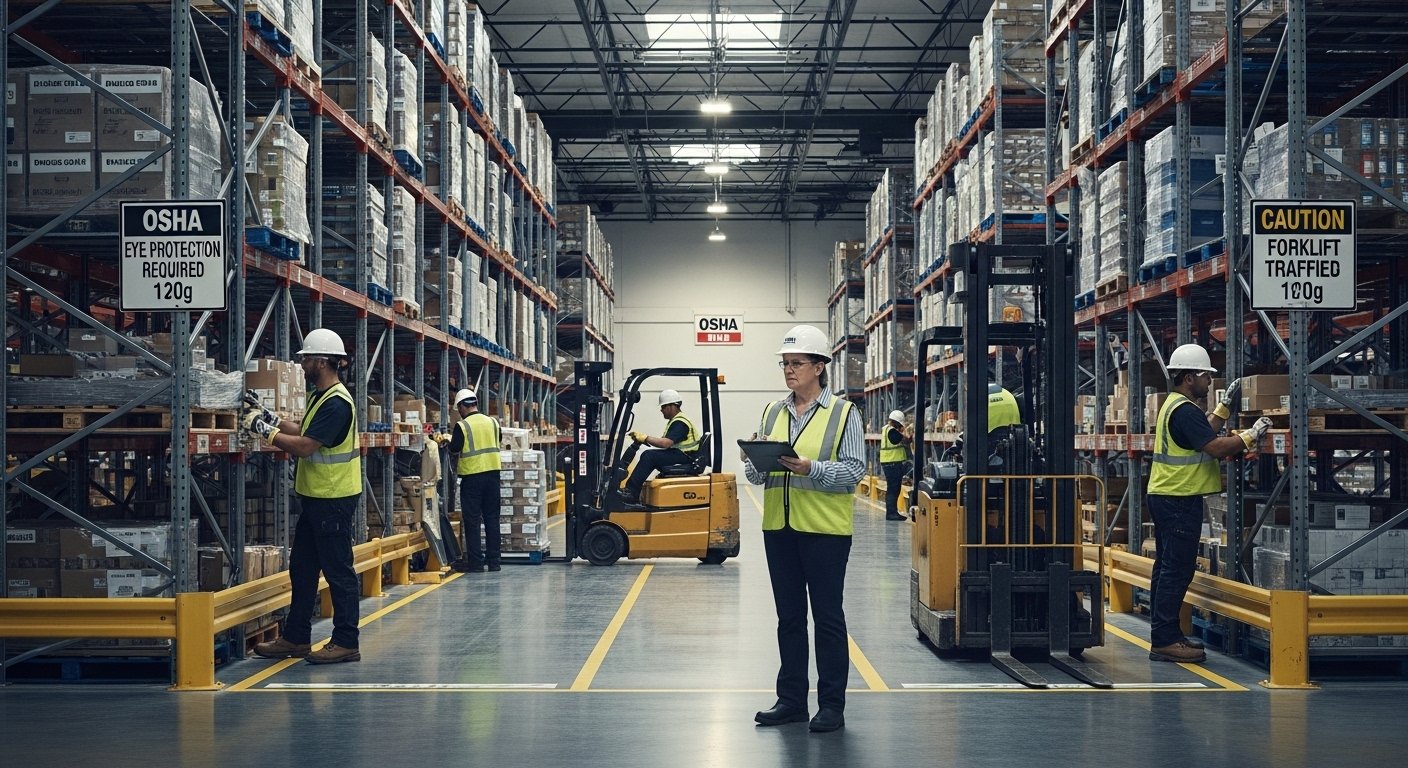
- PPE Use: Require helmets, gloves, safety shoes, and appropriate PPE.
- Inspections: Routine checks identify issues before they cause harm.
Safe Operation of Forklifts and Dock Equipment
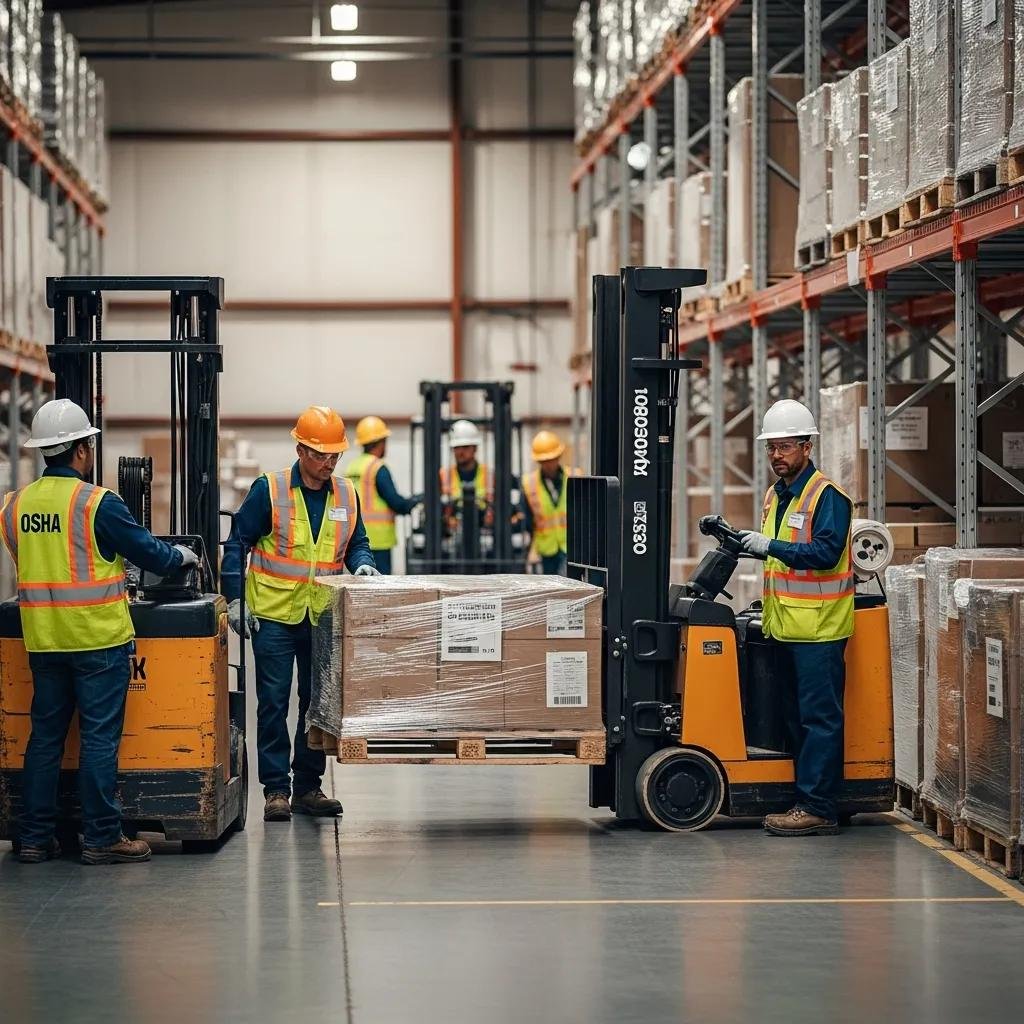
- Certification: Operators must be trained and certified.
- Daily Inspections: Inspect equipment before use.
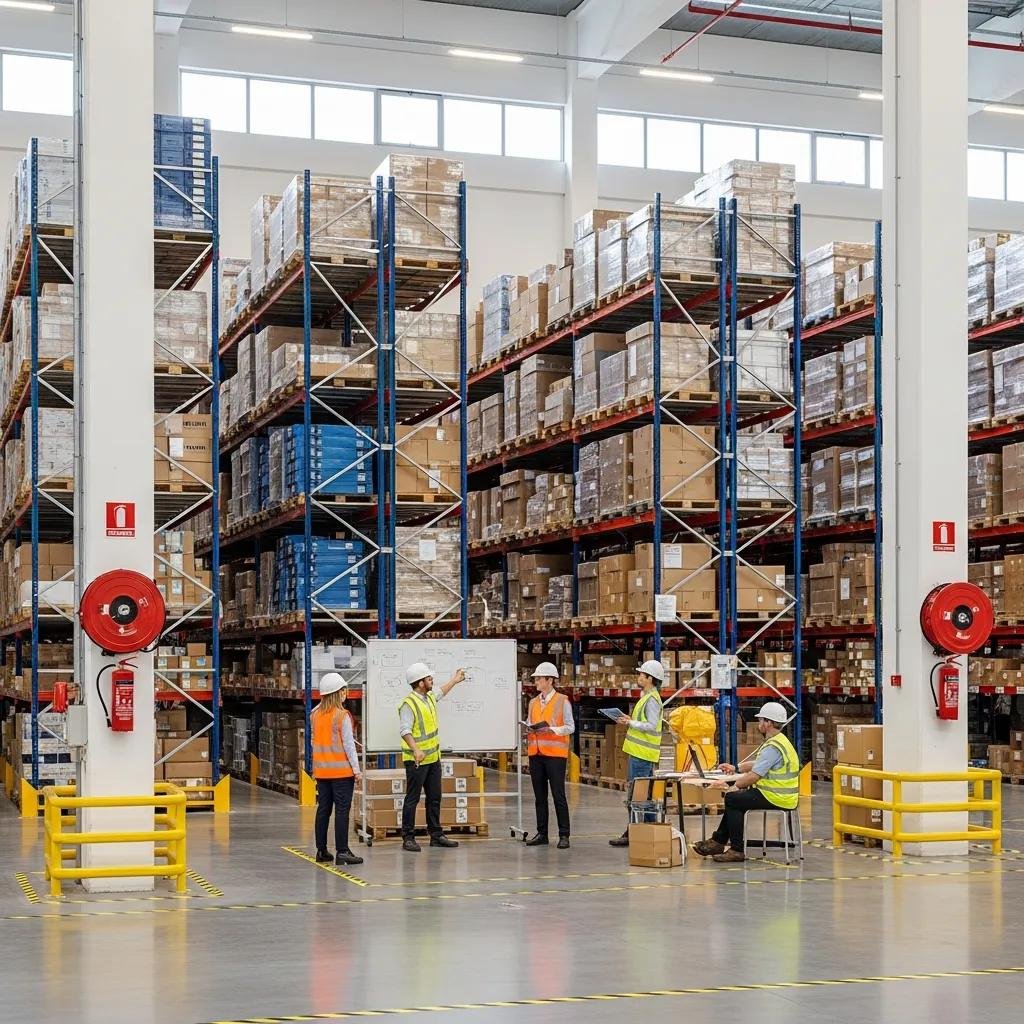
- Clear Exits: Maintain unobstructed emergency routes.
OSHA Forklift Safety Training & Compliance
The settlement agreement outlines OSHA’s requirements for forklift operator training as they apply to the maritime and longshoring industries.
Regulating forklift safety: Strategies to prevent injury and improve compliance, 2016
Ensuring Warehouse Safety Compliance
Effective compliance starts with scheduled inspections, tailored training, and accurate records that show due diligence.
- Compliance Gaps: Audits identify areas needing improvement.
- Safety Culture: Training strengthens awareness and habits.
- Cost Savings: Preventing incidents reduces long-term costs.
Implementing effective safety training programs for dock workers follows assessment, hands-on training, and regular updates.
Common Loading Dock Hazards
- Forklift Collisions: Controlled through training and traffic management.
- Slips and Trips: Prevented with clean, dry floors.
- Chemical Spills: Managed with proper handling protocols.
Accident Prevention Strategies

- Safety Audits: Identify hazards early.
- Training: Reinforce safe habits.
- PPE: Mandatory protective equipment use.
Conclusion
Robust loading dock safety rules protect employees and ensure OSHA compliance. Strong procedures reduce accidents, improve efficiency, and build a safer workplace culture.