Table of Contents
ToggleWarehouse compliance audits verify a facility meets regulatory and safety standards, uncover risks, confirm protocols, and help streamline operations. With regulators watching more closely, audits are essential to avoid fines and legal problems. This article explains what audits are, the rules that apply, how they are conducted, and why regular checks pay off.
A warehouse compliance audit is a systematic review of operations to verify safety and regulatory compliance. These audits reveal gaps that can lead to hazards or legal exposure. Regular audits improve efficiency and protect employees. They also reduce the risk of fines and enhance overall safety. For comprehensive warehouse compliance audits , consider Quantum Warehouse Solutions.
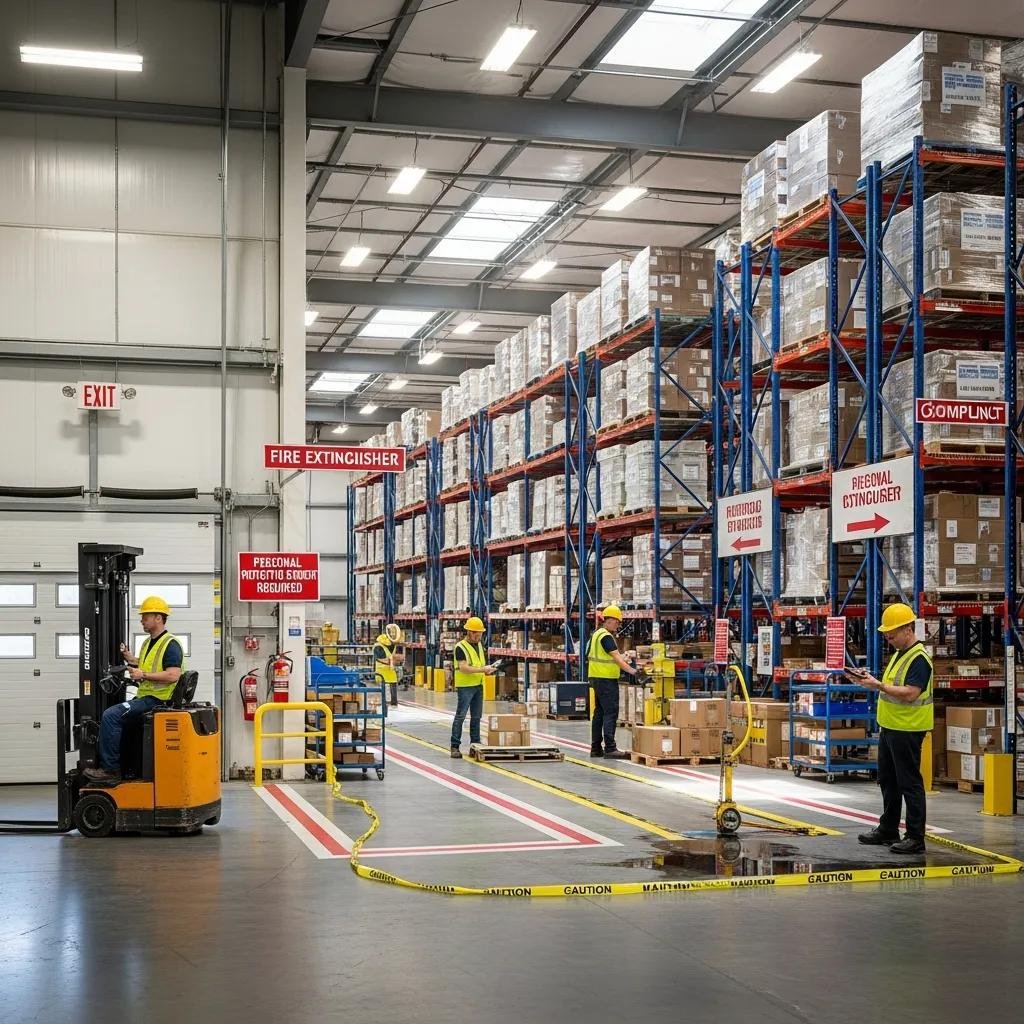
Warehouse safety inspections evaluate the physical site and day-to-day practices to confirm they meet set compliance standards. Key rules include OSHA guidelines for workplace safety and logistics standards for handling and storage. Common issues stem from weak safety protocols, insufficient training, or poor equipment maintenance. Preparing means keeping documentation current and running regular training so staff understand requirements.
Several core regulations and standards focus on safety and operational efficiency in warehouses. Knowing these rules is essential to staying compliant and keeping staff safe. Quantum Warehouse Solutions offers services to help warehouses navigate this regulatory landscape.
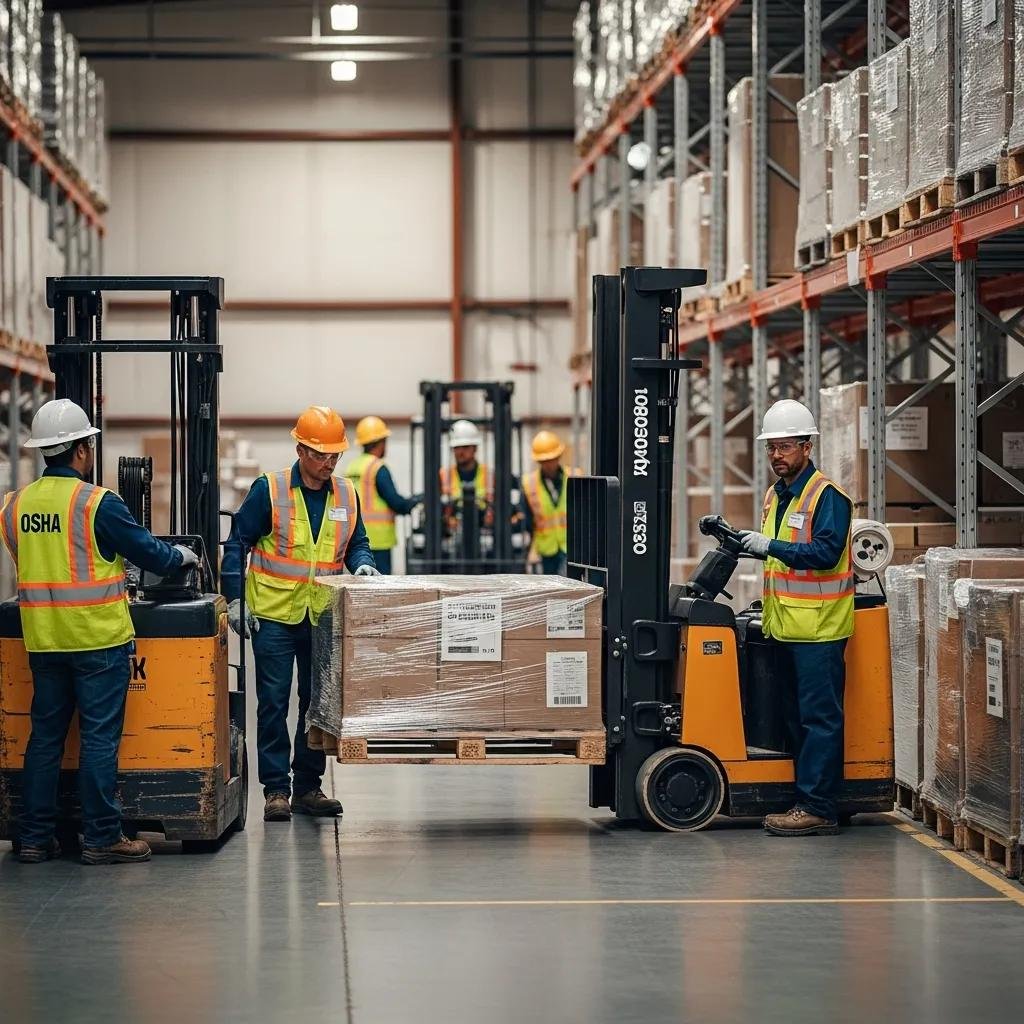
OSHA regulations cover forklift safety, fire protection and hazardous-material handling. Following these rules prevents accidents and ensures trained staff can manage hazards. Logistics compliance standards set expectations for storing and transporting goods, which supports safer, more efficient warehouse operations.
An expert highlights the benefits of internal audits for keeping a healthy, OSHA-compliant workplace.
OSHA Compliance & Proactive Safety Audits for Warehouses
Every business should have a formal checklist for audits and safety audit considerations for a healthy workplace that puts «people before profit» and OSHA compliance. It is beneficial to conduct internal audits before the government conducts their inspections.
Safety audit considerations for a healthy workplace that puts «people before profit» and
OSHA compliance, BG Mujtaba, 2023
Recent changes, for example in high-pile storage rules, affect how audits are conducted. These updates make regular audits important to ensure compliance with new standards. Failure to comply can result in fines or operational shutdowns. Staying up to date helps managers avoid liability. Quantum Warehouse Solutions provides current regulatory information.
A warehouse compliance audit follows a structured process to assess safety practices and operational controls. The approach uses defined steps to ensure the review is complete and accurate.
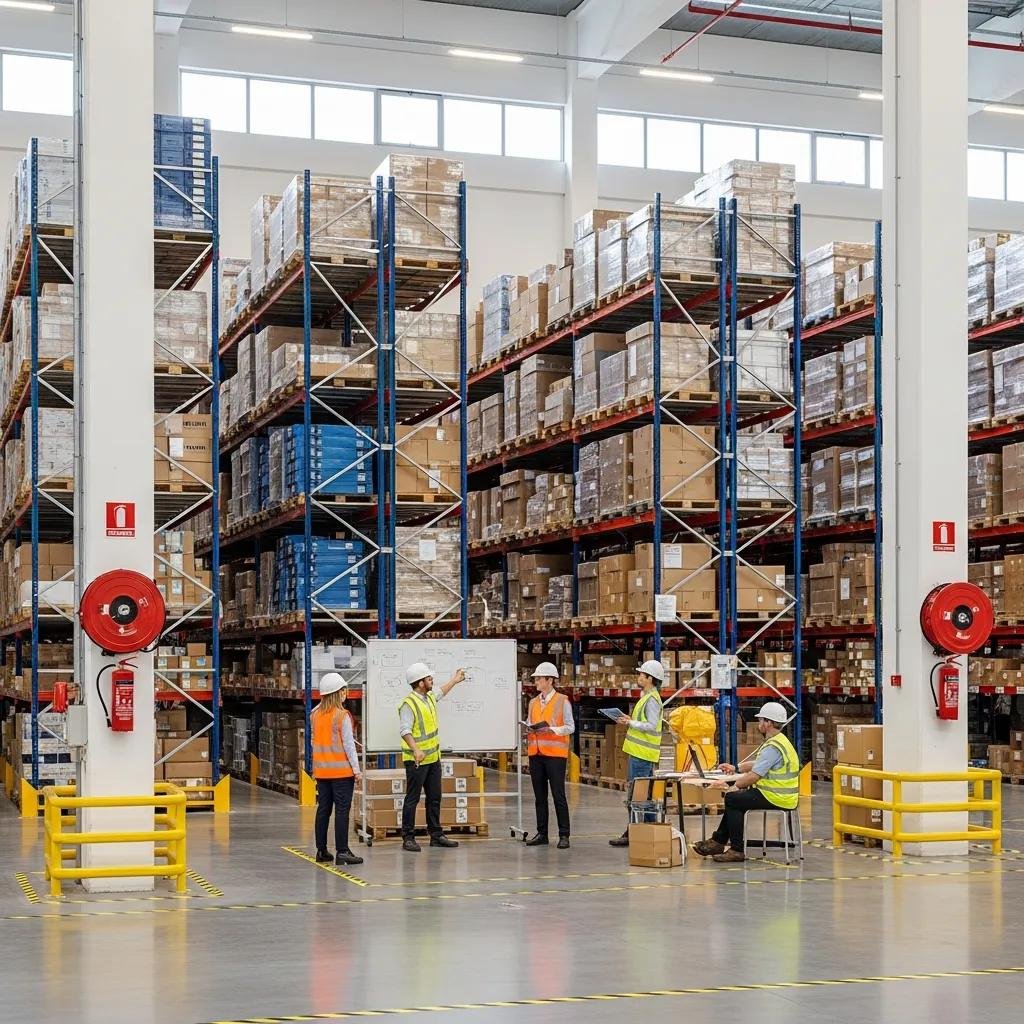
Audits begin by defining scope and proceed to a detailed inventory review. Risk assessment methods identify hazards and recommended controls are put in place to reduce those risks. This methodical process ensures all operational areas are evaluated for compliance.
Experts stress that risk assessment is central to spotting hazards and protecting occupational health and safety in warehouse operations.
Warehouse Risk Assessment for Occupational Health & Safety
Warehouses are essential components of a supply chain management system. Any malfunction in warehouses may have an important effect on the subsequent operations of a firm. For example, an accident that occurs in a warehouse can damage the operations of the company as well as the health of the employees. In this paper, critical operations at a warehouse are considered in terms of occupational health and safety. The originality of the paper is that the proposed approach provides a new perspective on warehouse risk assessment.
Warehouse risk assessment using interval valued intuitionistic fuzzy AHP, S Cebi, 2018
Auditors use checklists and tools to speed and standardise reviews. Typical tools include safety-protocol and documentation checklists, plus mobile inspection apps for real-time data capture. These resources improve audit efficiency and coverage. Quantum Warehouse Solutions advises clients on choosing the right tools.
Regular compliance audits deliver benefits beyond meeting regulations. They strengthen safety, boost efficiency and reduce exposure to financial and legal risks.
Routine audits improve safety by finding and fixing hazards. Key components include inspections, staff training and clear safety procedures. Promoting a safety-first culture cuts accident risk and protects employees.
Compliance audits also save money and optimise operations. By identifying waste and inefficiencies, warehouses can streamline workflows, lower insurance costs and avoid fines. Regular audits protect the organisation financially and increase productivity.
| Benefit | Description | Impact Level |
|---|---|---|
| Improved Safety | Regular audits identify hazards and enhance safety protocols | High |
| Cost Savings | Streamlined operations reduce insurance costs and avoid fines | Medium |
| Operational Efficiency | Compliance leads to optimized workflows and productivity | High |
Warehouse compliance audits are essential for maintaining safety and meeting regulatory requirements. Regular reviews boost operational efficiency and create a safer workplace for employees. Quantum Warehouse Solutions specialises in comprehensive compliance audits and related services to help warehouses meet standards.
A typical audit reviews safety protocols, assesses inventory and conducts a risk assessment to identify hazards. It also checks employee training and whether practices meet regulatory standards. Checklists and tools are often used to ensure every compliance area is addressed.
Frequency depends on industry norms, regulatory demands and your warehouse operations. Annual audits are a common baseline; higher-risk sites or major operational changes usually require more frequent reviews. Regular audits keep compliance and safety on track.
Non-compliance can lead to fines, legal action and potential shutdowns. It can raise insurance premiums and damage reputation. Most importantly, it creates unsafe conditions that increase the chance of accidents and long-term harm to employee health and morale.
Technology speeds audits through real-time data capture, organised documentation and analytics. Mobile inspection apps make assessments faster; software tracks compliance metrics and builds reports. Online training modules help staff stay current with safety procedures.
Employees are critical to compliance: they follow safety rules, join training and report hazards. Their engagement helps detect issues early. Involving staff in audits builds a culture of safety and shared responsibility.
A thorough checklist covers safety protocols, equipment maintenance, employee training and documentation practices. Key checks include fire safety, hazardous-material handling, forklift safety and correct storage methods. The checklist should reference OSHA rules and any industry-specific standards that apply.
Regular warehouse compliance audits are vital for safety, regulatory adherence and improved efficiency. By spotting hazards and refining processes, audits make workplaces safer and deliver cost benefits. Quantum Warehouse Solutions can help implement effective compliance audits today.