Warehouse Safety Rules: A Practical Checklist for Supervisors
Warehouse safety underpins operations and employee health. Supervisors enforce rules, spot hazards, and lead compliance efforts. This checklist summarizes core rules, practical steps for enforcement, and how to reduce common risks such as PPE misuse, forklift incidents, and emergency unpreparedness.
What Are the Essential Warehouse Safety Rules Supervisors Must Enforce?
Supervisors must enforce key safety rules to keep the workplace safe. These include:
- Conduct Routine Safety Audits : Regular audits identify hazards and confirm regulatory compliance.
- Regular Training and Retraining : Ongoing training keeps staff current on procedures and emergency response.
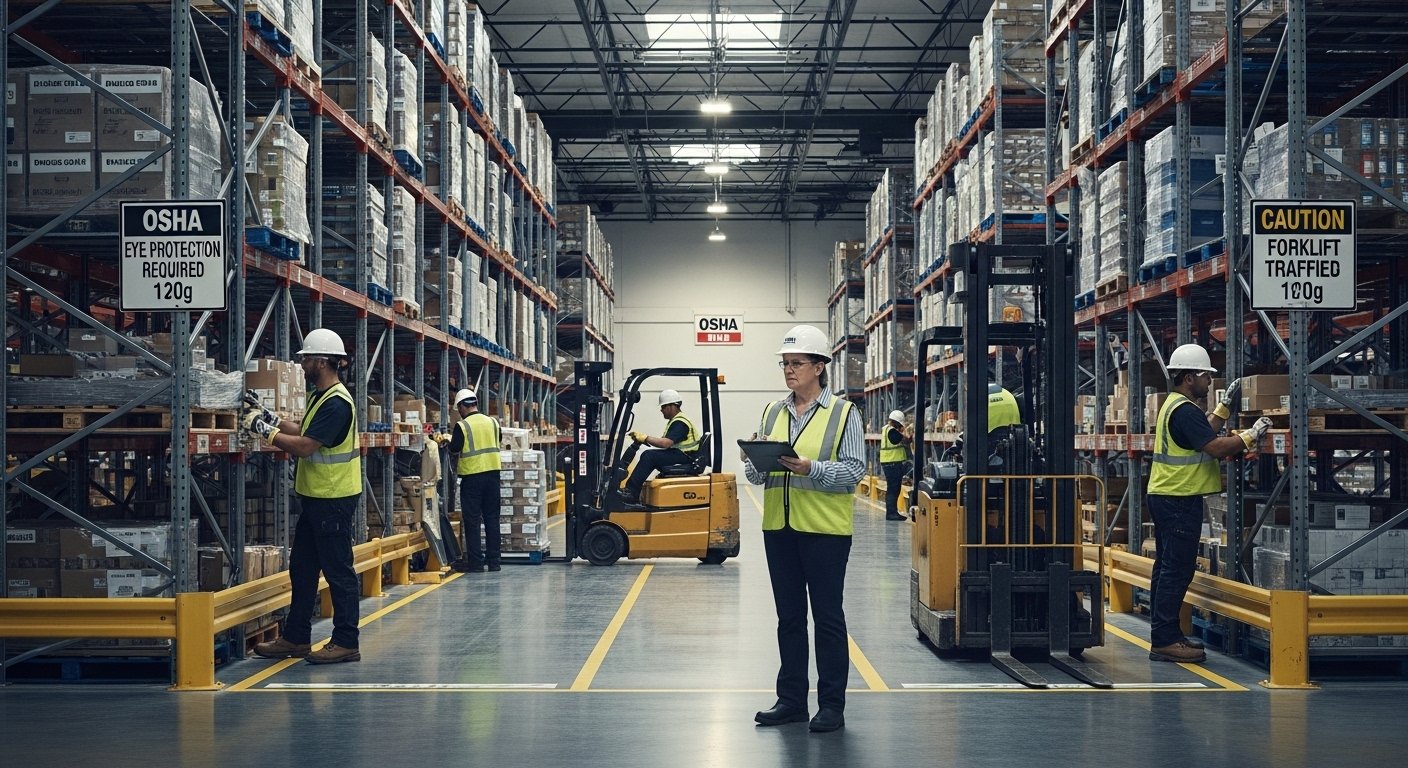
- Post Safety Signage : Clear signs remind employees of hazards and required behaviors.
Consistent enforcement reduces accidents and supports a safer workplace.
How Do Supervisors Use Safety Checklists to Maintain Compliance?

Safety checklists standardize inspections and make compliance visible. Use them to track issues, assign follow-ups, and measure improvements. Key methods include:
- Regular Training Sessions : Teach employees how to use checklists and why they matter.
- Scheduled Audits : A fixed audit cadence prevents drift from standards and highlights gaps.
- Checklist System Implementation : Digital or paper systems streamline tracking and corrective actions.
Which Personal Protective Equipment Is Required in Warehouses?
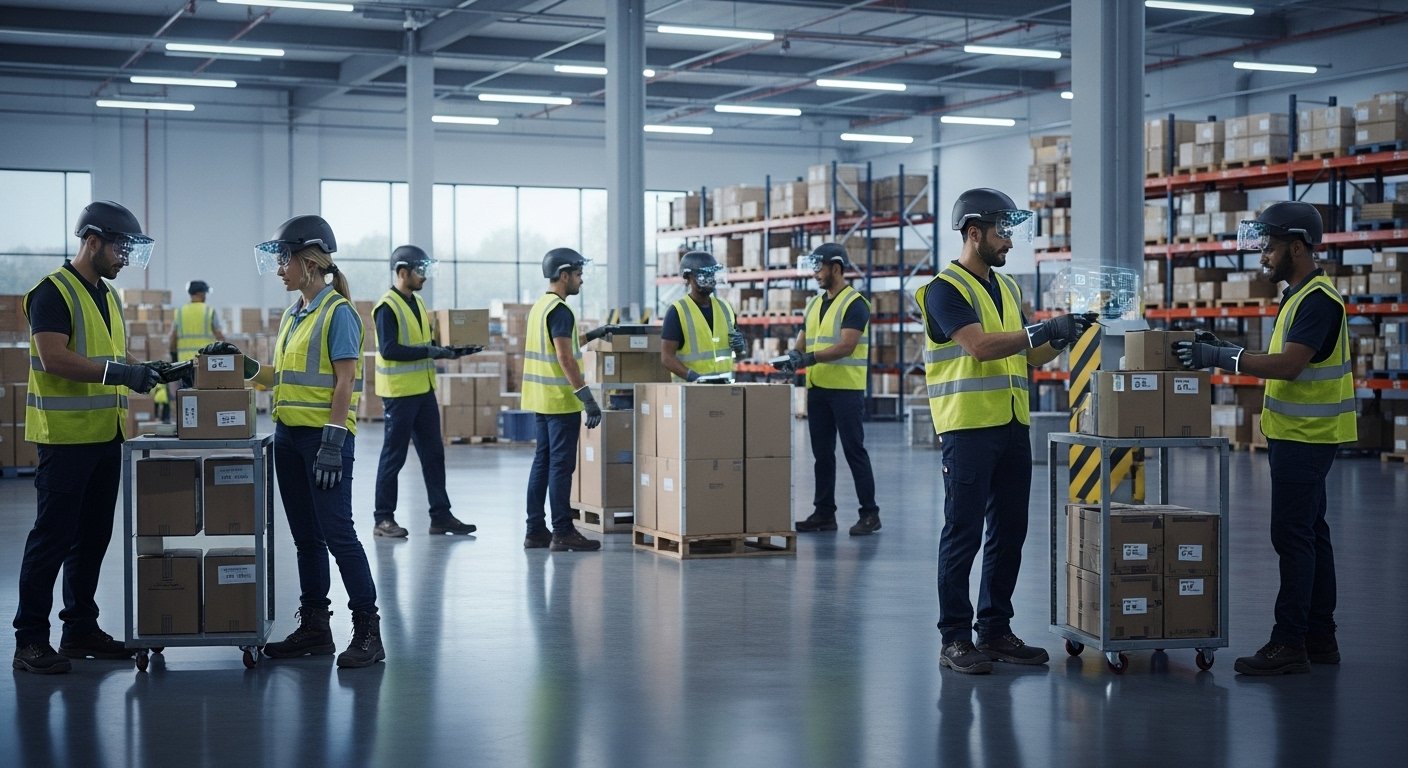
PPE prevents common injuries. Typical items include:
- Hard Hats : Protect heads from falling objects.
- Safety Glasses : Shield eyes from dust and debris.
- Steel-Toed Boots : Protect feet from heavy loads.
Train staff on proper fit, use, cleaning, and replacement schedules for PPE.
How Can Supervisors Identify and Mitigate Common Warehouse Hazards?
Spotting and addressing hazards is a core supervisor duty. Effective strategies include:
- Scope Definition : Define operational boundaries to focus hazard checks.
- Hazard Identification : Inspect for spills, clutter, damaged equipment, and unsafe behaviors.
- Risk Evaluation : Prioritize hazards by likelihood and potential harm.
What Are the Most Frequent Warehouse Hazards and Their Risk Levels?
Common warehouse hazards include:
- Forklift Accidents : High risk from moving equipment and loads.
- Falling Pallets : Moderate risk from improper stacking or handling.
- Poorly Lit Aisles : Low to moderate risk that increases trip and fall likelihood.
Recognizing these lets supervisors apply focused controls and training.
Which Strategies Effectively Reduce Hazard Risks in Warehouse Operations?
Supervisors can reduce risks with practical, consistent actions:
- Regular Inspections : Frequent checks catch issues early.
- Employee Training : Hands-on training and refreshers build competence.
- Clear Emergency Procedures : Well-communicated procedures ensure fast, coordinated responses.
These measures support a proactive safety culture.
What Are the Key Forklift Safety Rules and Equipment Protocols Supervisors Should Implement?
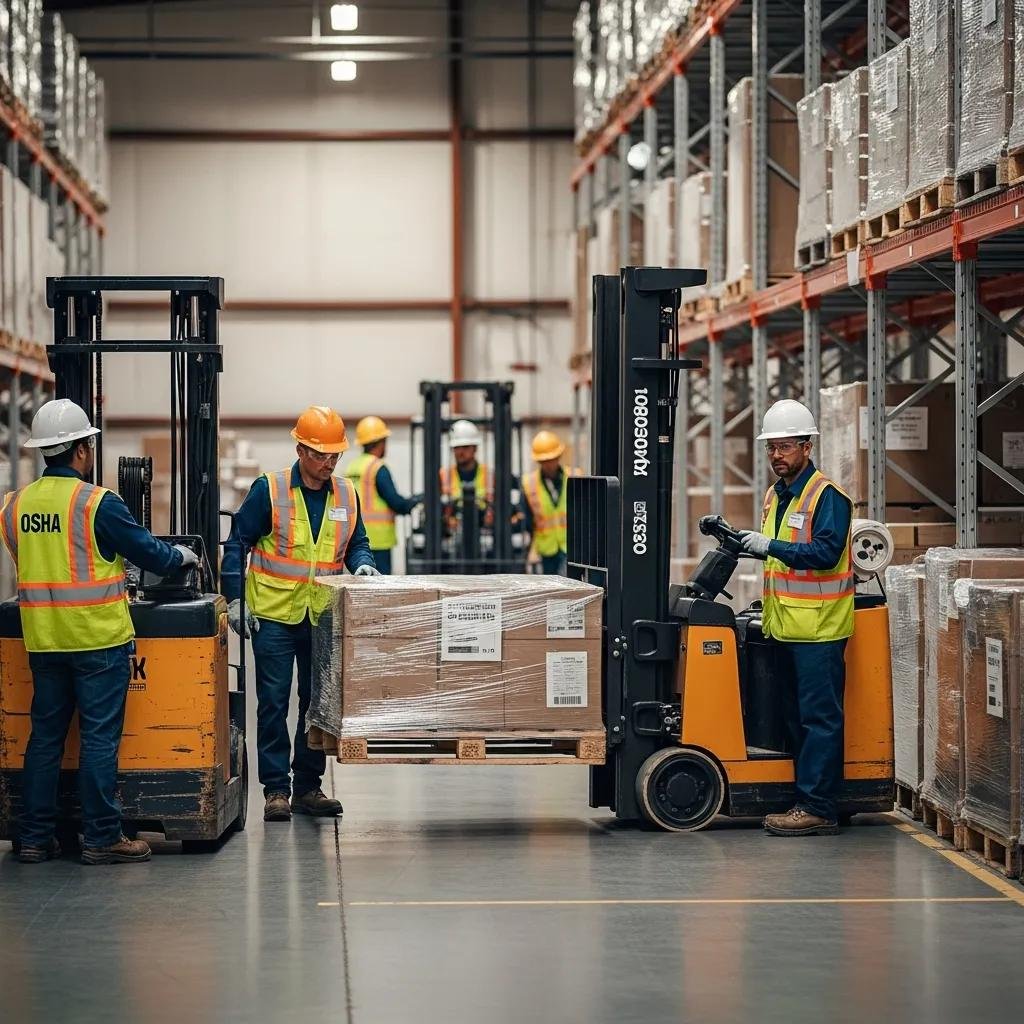
Forklifts increase productivity but require strict controls. Key rules include operator certification, routine maintenance, and enforced safe operating practices.
Research highlights the need for comprehensive strategies to improve forklift safety and operator efficiency.
Enhancing Forklift Safety & Productivity in Warehouses
This paper examines how warehouses meet demand and manage rapid growth, with a focus on forklift operators. Forklifts are essential but pose major safety risks; thousands of work-related injuries and fatalities are reported annually. The review covers factors that affect operator safety and efficiency, including energy consumption, training, the Internet of Things, ergonomics, and human factors such as fatigue. The study proposes a methodological framework to improve operator efficiency and safety by integrating these factors.
Forklift operator safety & productivity: A review of current research and future directions, A Sharotry, 2023
- Forklift Certification and Maintenance : Verify operator certification and schedule routine maintenance.
- Safety Audits : Audit forklift operations and storage layouts for hazards.
- Employee Training : Reinforce safe driving, load limits, and pedestrian awareness.
How Often Should Forklift Safety Inspections Be Conducted?
Inspect forklifts often. Recommended checks include:
- Daily Inspections : Quick operator checks before each shift.
- Monthly Audits : More thorough inspections to confirm ongoing compliance.
What Training Is Required for Safe Forklift Operation?
Training should include certification and scheduled refreshers to maintain safe skills and awareness.
- Certification Requirements : Complete an accredited operator program.
- Retraining Frequency : Provide periodic retraining and post-incident refreshers.
How Should Supervisors Prepare for Warehouse Emergencies and Fire Safety Procedures?

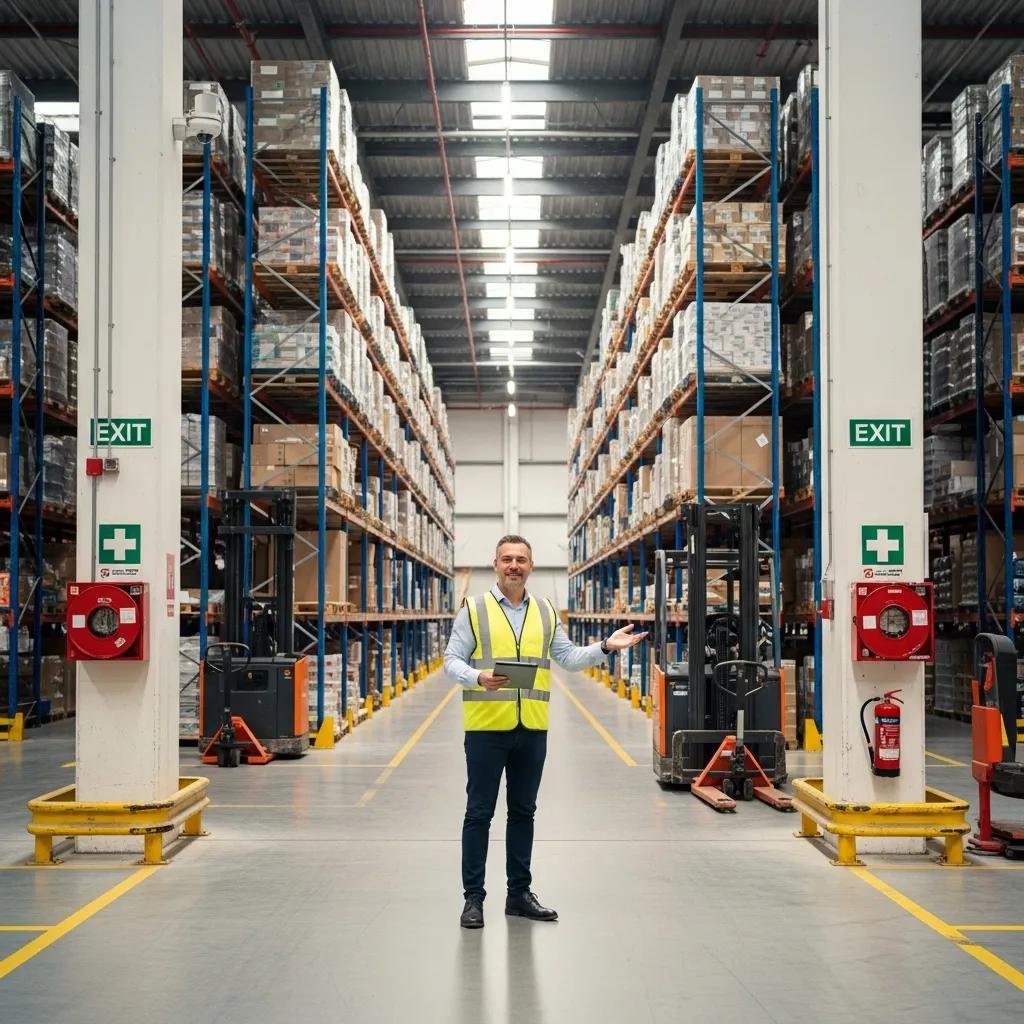
Preparing for emergencies and fires is essential. Supervisors should ensure documentation, meet fire-code requirements, and schedule regular inspections.
- Gathering Necessary Documentation : Keep safety plans, inspection records, and training logs current.
- Familiarizing with Fire Codes : Know local codes and required equipment.
- Scheduling Inspections : Test alarms, extinguishers, and exits on a regular cadence.
What Are the Steps in an Effective Warehouse Emergency Response Plan?
- Gather Information : Document hazards, contacts, and response roles.
- Familiarize with Fire Codes : Train staff on applicable codes and procedures.
- Conduct Regular Inspections : Validate equipment and readiness through routine checks.
How Can Fire Safety Protocols Be Integrated into Daily Warehouse Operations?
- Regular Inspections : Check alarms, extinguishers, and routes.
- Employee Training : Run drills and briefings regularly.
- Clear Access and Signage : Keep exits visible and routes clear.
Following these steps helps supervisors maintain compliance and protect employees.
| Safety Rule | Description | Importance |
|---|---|---|
| Routine Safety Audits | Regular checks to identify hazards | Prevents accidents |
| PPE Training | Educating employees on proper PPE use | Reduces injury risk |
| Forklift Inspections | Daily checks of forklift safety | Ensures operational safety |
This table summarizes key safety rules and their importance. By following these protocols, supervisors can enhance workplace safety and compliance. For more information on “warehouse solutions” , visit Quantum Warehouse Solutions.
Frequently Asked Questions
What are the legal requirements for warehouse safety compliance?
Requirements vary by region but typically follow national standards (for example OSHA in the U.S.). Supervisors must document training, enforce PPE use, and keep inspection records to remain compliant.
How can technology improve warehouse safety?
Technology—automation, monitoring, wearables, and safety software—reduces human error, improves visibility, and speeds incident reporting.
What role does employee feedback play in improving warehouse safety?
Employee feedback uncovers hidden hazards and shows whether controls work. Encourage open reporting and regular safety meetings to act on frontline observations.
How should safety incidents be documented and reported?
Use a clear process that records time, location, people involved, and details. Review incidents to identify trends and submit required reports to authorities.
What are the best practices for maintaining personal protective equipment (PPE)?
Inspect PPE routinely, clean and store it correctly, replace damaged items, and keep an inventory so equipment is available when needed.
How can supervisors foster a culture of safety in the warehouse?
Lead by example, involve employees in safety decisions, recognise safe behaviour, and run regular drills to make safety part of daily operations.
Conclusion
Effective warehouse safety rules protect people and operations. Regular audits, targeted training, proper PPE, and clear emergency plans lower risk and support productivity. Use this checklist to guide consistent supervision and continuous improvement.