Warehouse Fire Code Basics for Storage Systems

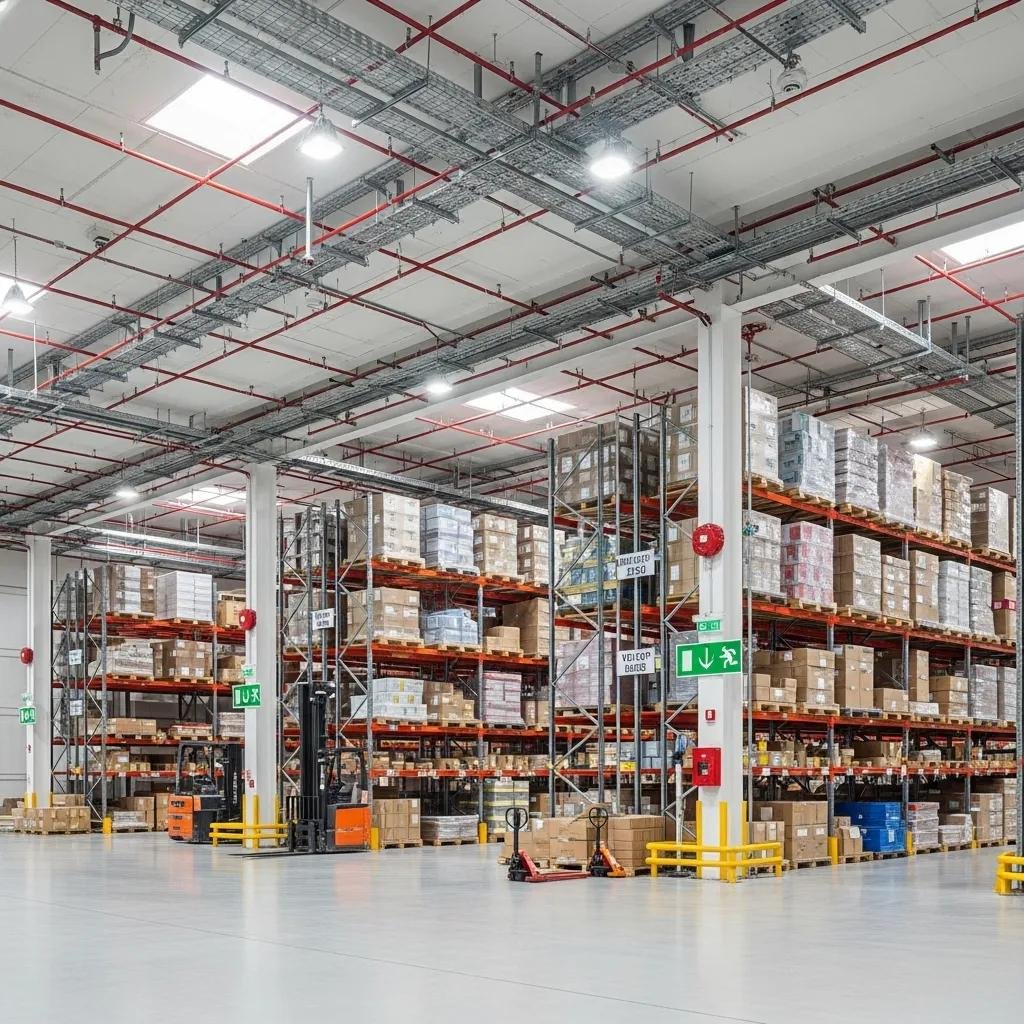
Warehouse interior showcasing fire safety equipment and organized storage systems

Warehouse fire codes are the baseline for safety and regulatory compliance in storage systems. They set standards for fire prevention and response to protect people and property. This article summarizes the main fire-safety rules, compliance steps, sprinkler requirements, and practical risk-management tactics. While rules can be complex, clear practices and the right knowledge reduce fire risk.

What Are the Key Warehouse Fire Safety Regulations?

Fire safety rules for warehouses reduce hazards and keep workplaces safe. They cover requirements such as fire suppression systems, correct aisle spacing, and routine inspections. Following these rules protects assets and the people who work in and visit the facility.

Overview of Fire Safety Standards for Warehouses

Fire safety standards for warehouses include core elements that support prevention and rapid response. These standards highlight:

  1. Fire Suppression Systems : Implementing systems such as sprinklers and fire alarms to detect and control fires promptly.
  2. Aisle Spacing Requirements : Maintaining adequate spacing between storage units to allow for safe evacuation and access for firefighting equipment.
  3. Documentation and Permits : Keeping accurate records of inspections, maintenance, and compliance with local fire codes.

Together, these standards make warehouses safer and reduce the likelihood of a major incident.

A detailed evaluation of a warehouse’s fire protection and life safety design typically looks at storage types and occupancy classifications, as the report below illustrates.

Warehouse Fire Protection & Life Safety Design Evaluation

This report provides a full evaluation of the fire protection and life safety design for a warehouse supporting a large construction project. The findings and conclusions are documented and supported by analysis where needed. The gross floor area per story is 39,000 ft2. The building serves as a warehousing facility for the construction project. Rack storage of Group A plastics is permitted to a height of 20 ft. beneath a 24 ft. ceiling on the main floor. Shelf and solid pile storage of Group A plastics is permitted on the second floor to a height of 10 ft. The facility also contains office space in large open and enclosed areas for operations and maintenance staff. It is classified as a mixed occupancy: moderate storage (S-1) and business (B) purposes.

Construction Warehouse, 2014

Understanding Warehouse Fire Code Compliance Requirements

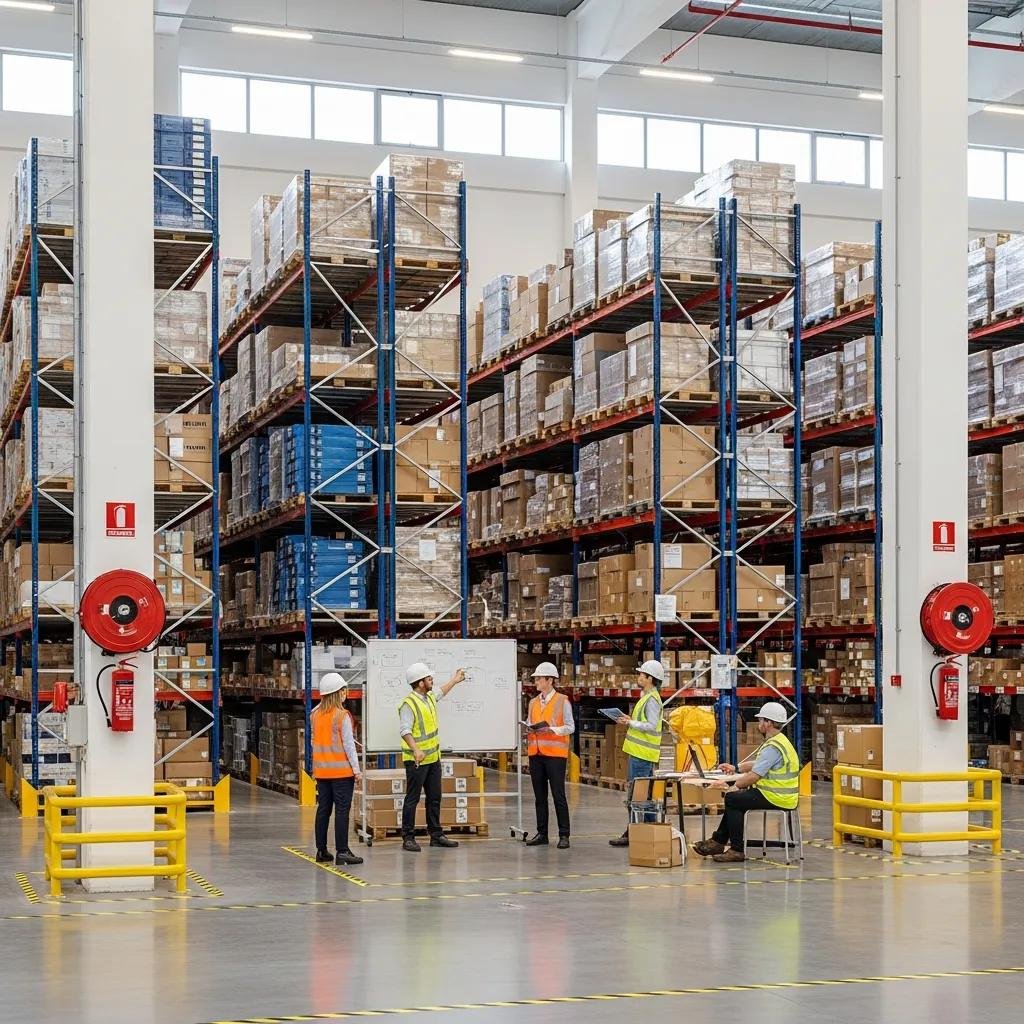
Warehouse compliance audit with inspector and manager reviewing fire safety documentation

Compliance means meeting documentation and inspection rules set by local authorities. Operators should know the applicable codes and keep required records and reports. Key compliance items include:

  1. Documentation for Compliance : Maintaining records of fire safety inspections, maintenance logs, and training programs for employees.
  2. Familiarization with Fire Codes : Understanding the specific fire codes applicable to the warehouse’s location and operations.
  3. Ongoing Compliance Checks : Conducting regular audits to ensure that all fire safety measures are up to date and effective.

Staying informed and proactive helps owners avoid fines and strengthens on-site safety.

How to Ensure Fire Code Compliance in Warehouse Storage Systems?

Achieving compliance requires a system of audits, training, and preventive actions. Regular checks and clear procedures uncover hazards and keep the facility within code.

Steps for Warehouse Fire Code Compliance Audits

Compliance audits identify gaps and guide corrective action. Typical audit steps include:

  1. Preparation and Documentation Review : Gathering all relevant documentation, including previous inspection reports and maintenance records.
  2. Hazard Identification and Risk Evaluation : Assessing the warehouse layout, storage practices, and fire suppression systems to identify potential hazards.
  3. Follow-up Monitoring : Implementing corrective actions and scheduling follow-up inspections to ensure ongoing compliance.

Regular audits are necessary to keep the warehouse safe and to reduce the chance of fire-related incidents.

Common Fire Code Violations in Storage Systems

Operators should watch for frequent violations that increase risk and invite penalties. Common issues include:

  1. Insufficient Sprinkler Coverage : Failing to install adequate sprinkler systems to cover all storage areas.
  2. Blocked Fire Exits : Allowing storage items to obstruct emergency exits, hindering evacuation during a fire.
  3. Improper Aisle Spacing : Not maintaining the required aisle widths, which can impede access for emergency responders.

Addressing these common problems improves compliance and reduces fire risk.

What Are the Warehouse Sprinkler Requirements for Fire Prevention?

Warehouse sprinkler system installation with visible water mist and storage racks

Sprinkler systems are a core part of warehouse fire protection. Knowing the specific requirements for installation and coverage is essential to meet codes and protect assets.

Types of Fire Suppression Systems for Warehouses

Warehouses can use different suppression systems, each with distinct benefits. The common options include:

  1. Sprinkler Systems : Automatically activate to control or extinguish fires, providing immediate response.
  2. Water Mist Systems : Utilize fine water droplets to cool and suppress fires while minimizing water damage.
  3. Fire Alarms : Detect smoke and heat, alerting occupants and emergency services to potential fires.

Selecting the right system helps detect and control fires quickly and limits damage.

Installation and Maintenance of Warehouse Sprinkler Systems

Correct installation and regular maintenance ensure sprinkler systems work when needed. Key actions include:

  1. Complete Installation Services : Engaging qualified professionals to install sprinkler systems according to local codes and standards.
  2. Pallet Rack Repair and Maintenance : Regularly inspecting and maintaining pallet racks to ensure they do not obstruct sprinkler coverage.
  3. Ongoing Support for Compliance : Scheduling routine inspections and maintenance to keep sprinkler systems in optimal working condition.

By prioritizing installation and maintenance, warehouse owners keep suppression systems reliable and compliant.

How Can Warehouse Owners Manage Fire Risks Effectively?

Managing fire risk protects assets and people. A proactive plan of assessment, planning, and training reduces hazards across the site.

Fire Risk Assessment and Emergency Evacuation Planning

A full fire risk assessment is the first step. The assessment should include:

  1. Evaluating Storage Height and Arrangements : Assessing how products are stored and ensuring compliance with fire codes.
  2. Developing Comprehensive Evacuation Plans : Creating clear evacuation routes and procedures for employees in case of a fire.
  3. Ensuring Compliance with Fire Codes : Regularly reviewing and updating fire safety plans to align with current regulations.

These assessments uncover hazards and make emergency response faster and more effective.

Training and Maintenance for Fire Safety in Warehouses

Training staff and maintaining equipment are core to a reliable fire-safety programme. Key strategies include:

  1. Employee Training on Safety Protocols : Providing comprehensive training on fire safety procedures and emergency response.
  2. Regular Inspections and Audits : Conducting routine checks to ensure compliance with fire safety regulations and identify potential hazards.
  3. Documentation and Record Keeping : Maintaining accurate records of training sessions, inspections, and compliance audits.

Training and maintenance build a culture of readiness. For comprehensive “warehouse solutions” , partner with experienced providers to ensure safety and efficiency.

Frequently Asked Questions

What are the consequences of non-compliance with warehouse fire codes?

Failing to comply can lead to large fines, legal liability, and higher insurance costs. In a fire, non-compliance can worsen property loss and risk lives, and it can trigger lawsuits. Authorities may suspend operations until issues are fixed, creating financial and reputational harm.

How often should fire safety inspections be conducted in warehouses?

Inspections should occur at least annually. High-risk environments need more frequent checks. After major layout or storage changes, perform a new inspection to assess fresh risks.

What role does employee training play in fire safety compliance?

Training gives staff the skills to prevent fires and respond safely. Programs should cover prevention, extinguisher use, evacuation procedures, and keeping exits clear. Regular drills keep protocols fresh and speed up safe actions during an emergency.

Are there specific fire codes for different types of warehouses?

Yes. Codes vary by warehouse type and stored materials. Facilities holding flammable goods face stricter suppression and spacing rules. Occupancy classifications, like mixed-use or high-pile storage, also affect the applicable codes. Always consult local regulations for your operation.

What are the best practices for maintaining fire suppression systems?

Best practices include routine inspections, regular testing, and maintenance by qualified technicians. Set a schedule for checking sprinklers, alarms, and other equipment. Keep detailed maintenance records and address any faults promptly to remain compliant.

How can technology assist in fire safety management for warehouses?

Technology strengthens fire safety through automated systems, real-time monitoring, and data analytics. Advanced alarms give instant alerts. Cameras help monitor safety practices. Software can track inspections, maintenance, and training records so nothing falls through the cracks.

What should be included in a warehouse fire safety plan?

A complete fire plan should list a risk assessment, clear evacuation routes, emergency contacts, and reporting steps. It should assign employee roles, include training schedules, and detail equipment maintenance protocols. Review and update the plan regularly to keep it effective and code-compliant.

Conclusion

Following warehouse fire codes protects people and assets. Installing effective suppression systems, keeping accurate documentation, and running regular audits cut fire risk and improve operations. For tailored solutions and expert guidance on fire safety compliance, explore our comprehensive services today.

Recent Articles