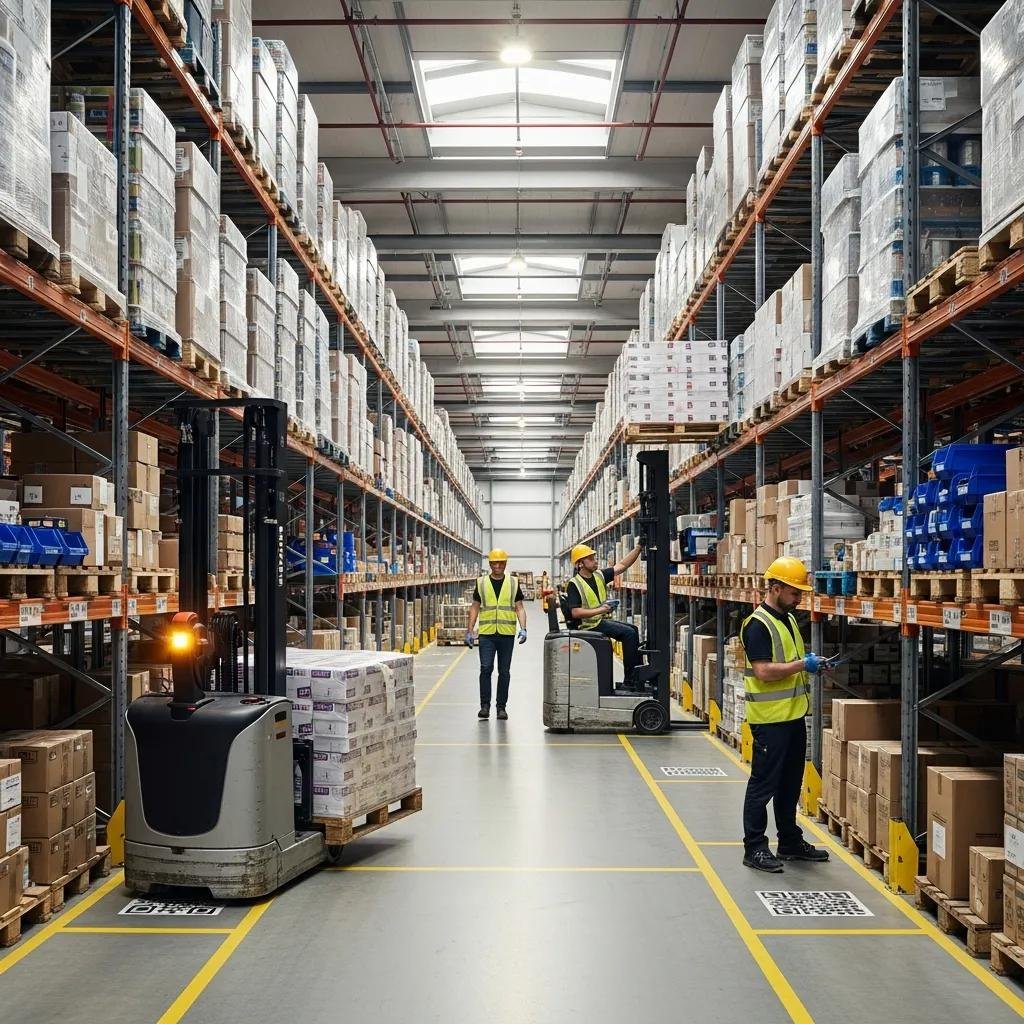
Optimal Warehouse Aisle Widths for Safety and ComplianceAisle Width Requirements for Warehouses: Ensuring Optimal Layout and Safety Compliance
Aisle width in warehouses is critical for efficiency and safety. Properly sized aisles enable smooth traffic, better access, and regulatory compliance. This article covers core layout principles, how aisle width affects traffic flow, recommended dimensions for common material-handling scenarios, the role of different forklift types, the impact of safety standards, and how consultation can help plan layouts that meet operational and safety goals.
What Are the Key Warehouse Layout Design Principles for Aisle Width?
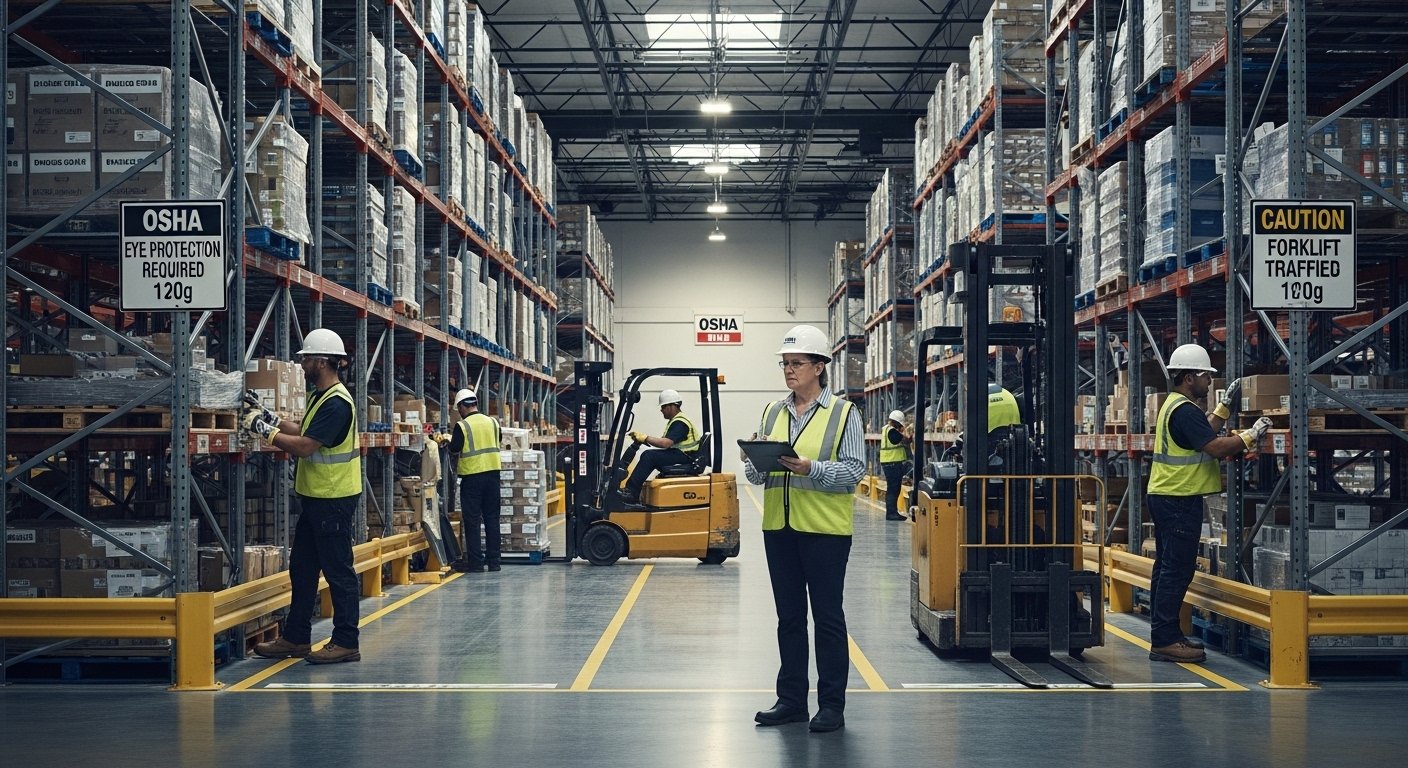
Warehouse aisle design follows a few core principles that prioritise safety and efficiency. Sufficient aisle space lets people and equipment move without obstruction. Meeting regulations such as OSHA helps avoid penalties and keeps the workplace safe. Avoiding overly narrow aisles reduces hazards, accidents and handling inefficiencies.
How Does Aisle Width Impact Warehouse Traffic Flow and Efficiency?
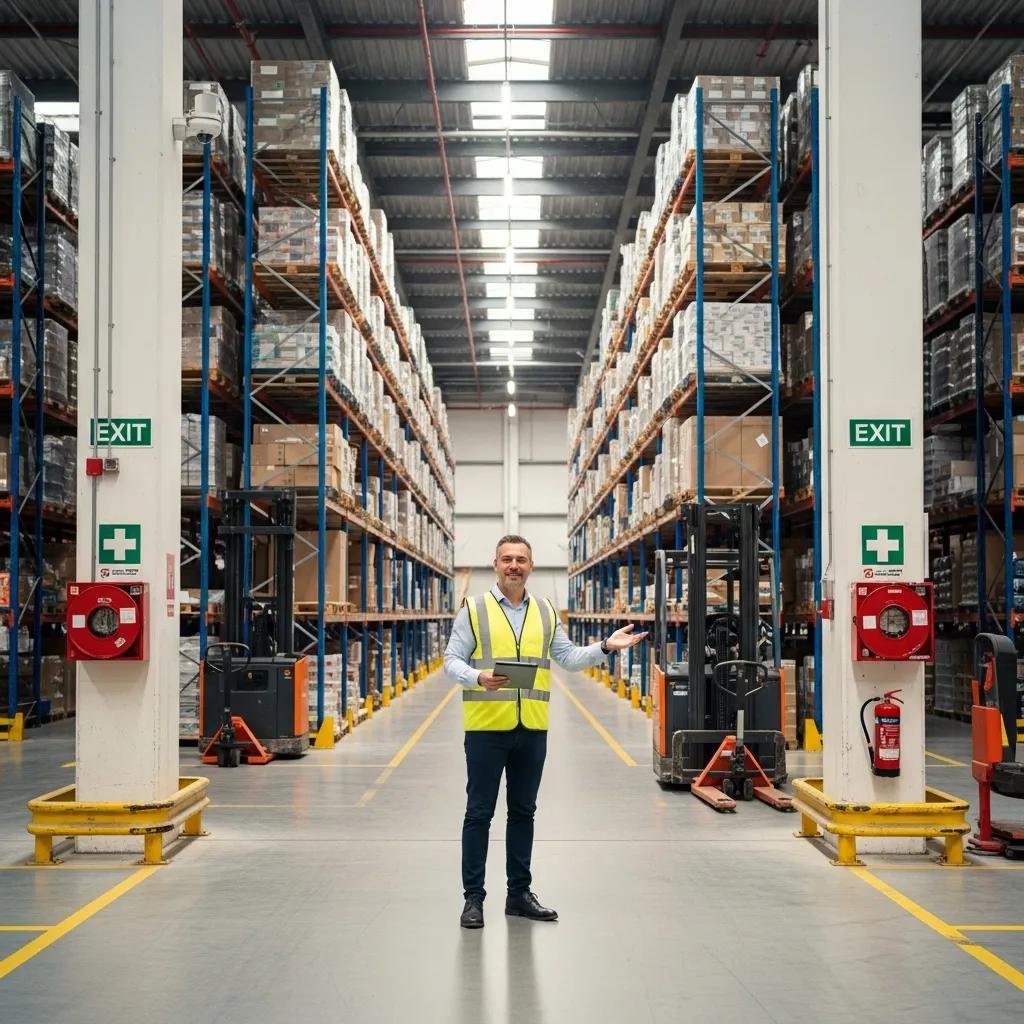
Aisle width significantly affects warehouse traffic flow and overall operational efficiency. Wider aisles ease forklift and pedestrian movement, lower collision risk and improve emergency access. Minimum widths set by regulators aim to protect safety and keep operations effective. Narrow aisles increase collision risk and cause downtime from congestion.
Which Material Handling Aisle Dimensions Optimize Space Utilization?
Correct aisle sizing improves space utilisation. Different handling scenarios require specific widths to suit various equipment. Standard widths work for manual handling, while larger machines need wider aisles. Balancing space and safety is essential because too-narrow aisles harm efficiency and may breach safety rules.
What Are the Optimal Aisle Widths for Different Forklift Types?

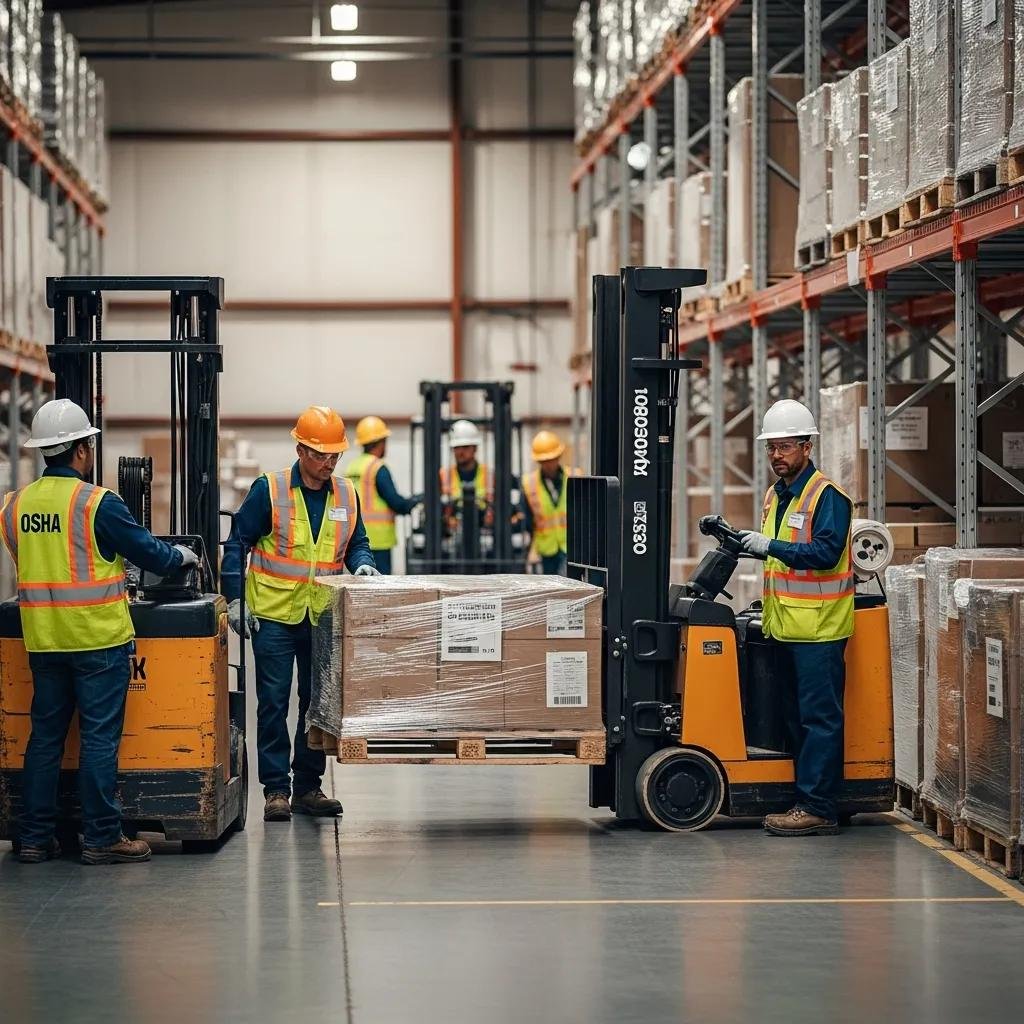
Different forklift types require specific aisle widths to operate safely and efficiently. Recognising those requirements is key to practical warehouse design.
| Forklift Type | Minimum Aisle Width | Recommended Usage |
|---|---|---|
| Standard Forklift | 12 feet | General material handling |
| Narrow Aisle Forklift | 6-7 feet | High-density storage |
| Reach Truck | 9-10 feet | Pallet racking systems |
How Do Warehouse Safety Standards Influence Aisle Width Requirements?

Safety standards are a primary driver of aisle width requirements. Their purpose is to keep operations safe and reduce accident risk.
Which OSHA Regulations Govern Warehouse Aisle Widths?
OSHA sets minimum aisle-width requirements so employees can move safely and emergency routes remain clear. Meeting these rules is both a legal obligation and a fundamental safety practice.
What Are Best Practices for Maintaining Safety Compliance in Aisle Design?
Maintain safety compliance by scheduling regular aisle inspections, posting clear signage and training staff on safe navigation. These actions keep layouts compliant and help employees recognise hazards.
How Can Consultation Services Improve Warehouse Aisle Width Planning?
Consultation services improve aisle-width planning by offering expert, operation-specific guidance. Engaging with professionals in warehouse design produces layouts that boost both efficiency and safety.
What Is the Consultation Process for Warehouse Layout Optimization?
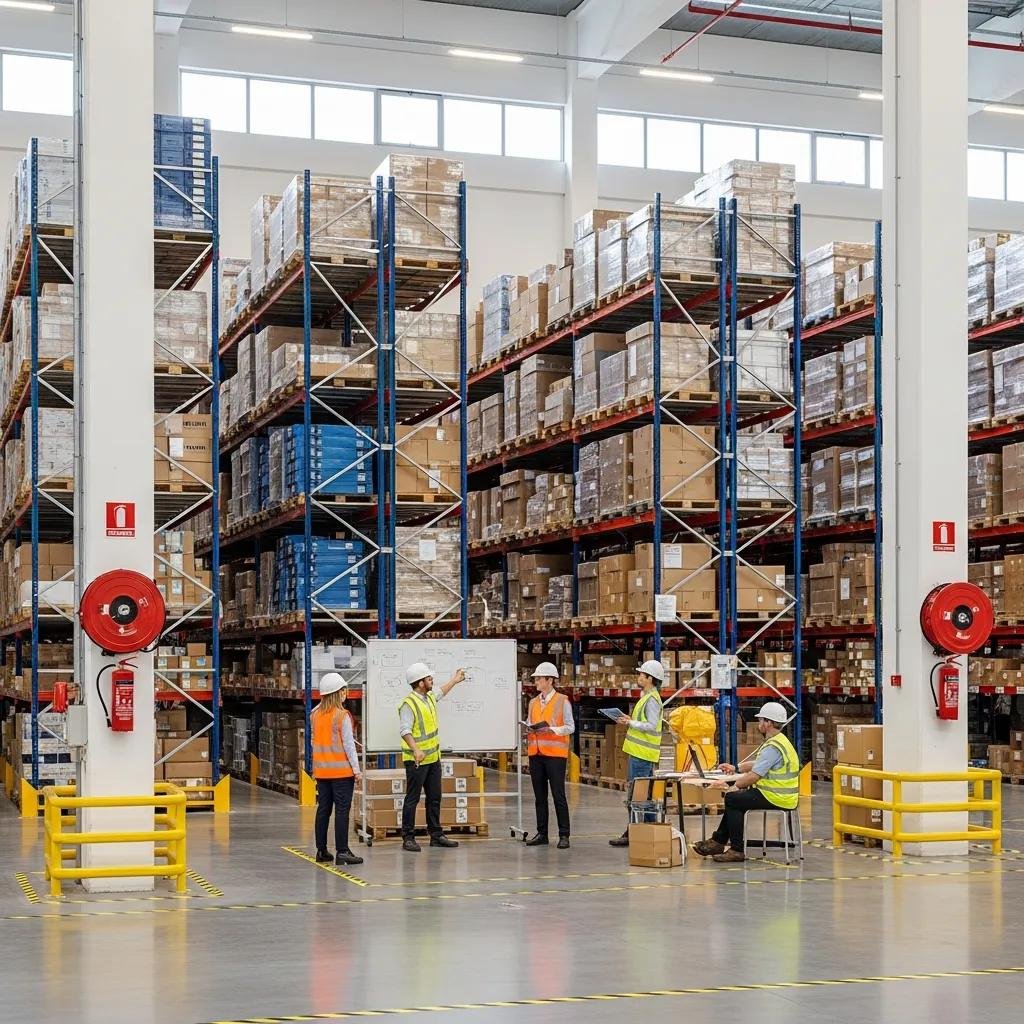
The consultation process starts with an assessment of the current layout, then a site survey to identify needs and compliance checks to confirm safety standards. Working with experts delivers layouts that maximise space use while keeping operations safe.
How Do Case Studies Demonstrate Benefits of Expert Aisle Width Design?
Case studies show the practical benefits of expert aisle design. Companies that implemented optimised layouts report clear improvements in efficiency and safety compliance.
Conclusion
Knowing aisle-width requirements helps you optimise warehouse layout and meet safety standards. Properly designed aisles boost efficiency, reduce hazards and ensure smooth traffic for people and equipment. Working with expert consultants can fine-tune designs to your operational needs.