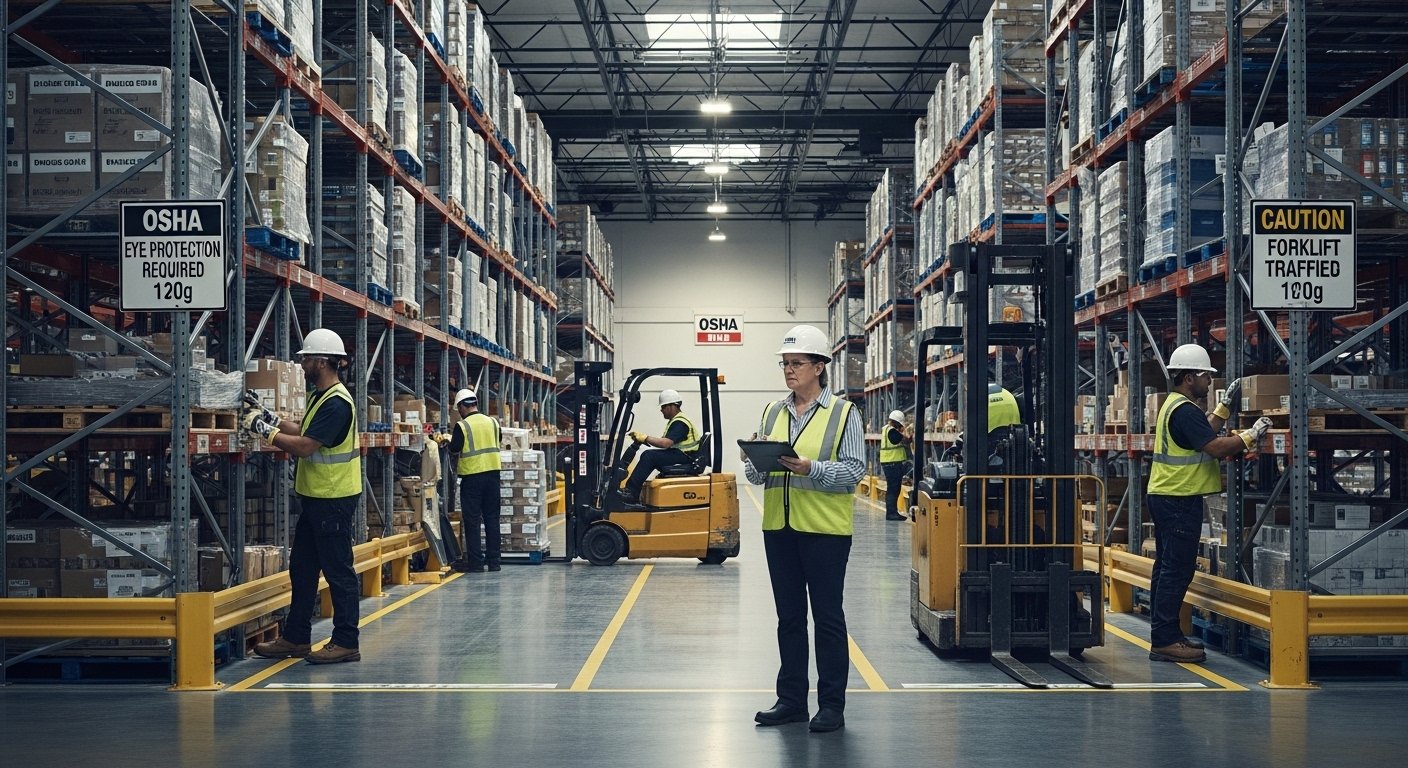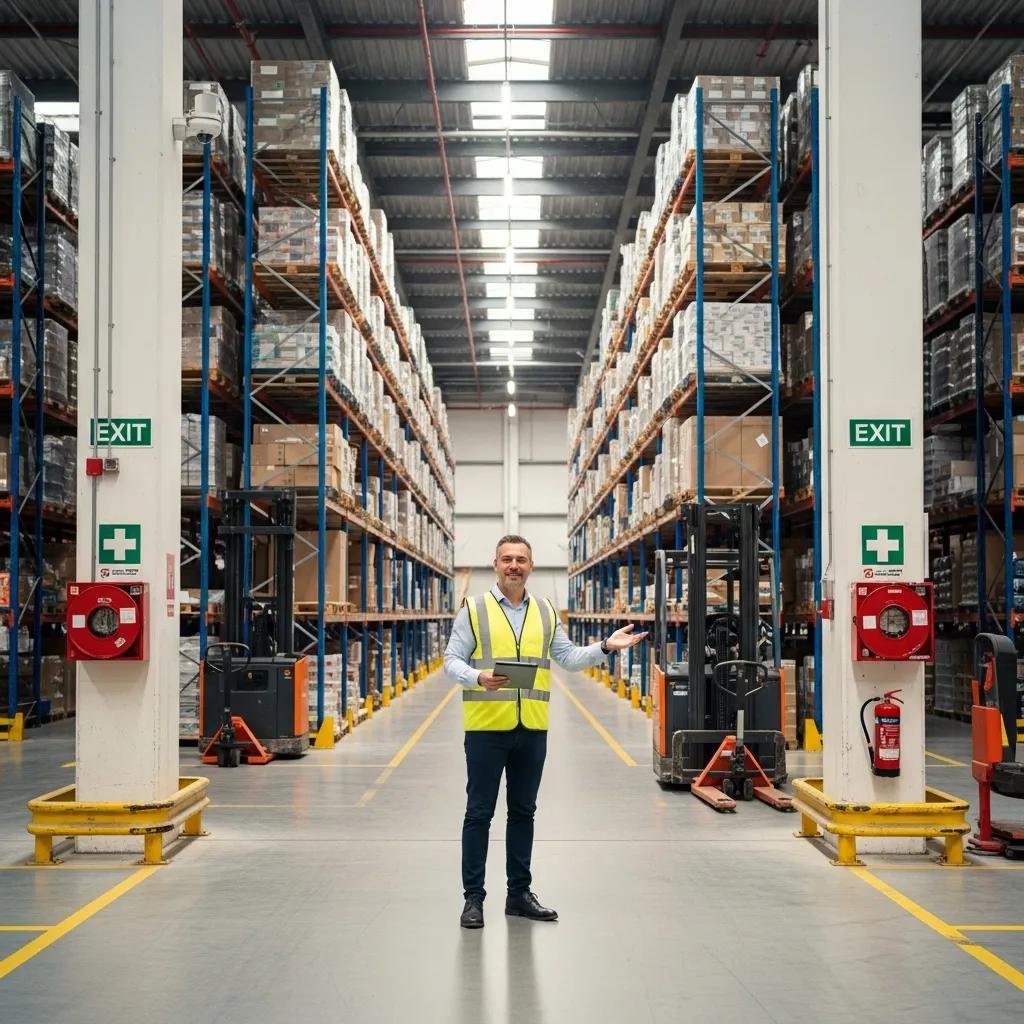

Warehouse conformity inspections ensure storage systems meet safety and regulatory standards, identify hazards and keep operations efficient. This article outlines key inspection components, storage systems requiring regular checks and how inspectors assess structural integrity, along with compliance checklists, main regulatory standards and services from Quantum Warehouse Solutions.

What Are the Essential Components of a Warehouse Safety Inspection?

Inspections cover structural assessments, safety-protocol reviews and documentation audits to spot risks and confirm facilities meet safety requirements.

Because warehouse environments are complex, a thorough risk assessment is essential to identify and mitigate hazards effectively.

Comprehensive Risk Assessment for Warehouse Safety

In-store warehouses can be a dangerous place due to the storage of a high volume of diverse life goods which may raise the total risk of warehouse. The turnover of goods in this kind of warehouse is very high. Therefore, safety risk is a multi-criteria problem and risk assessment of a such dynamic place needs an accurate and simple method to use.

Optimizing in-store warehouse safety: A DEMATEL approach to comprehensive risk assessment, SV Esmaeili, 2025

Which Storage Systems Require Regular Inspection?

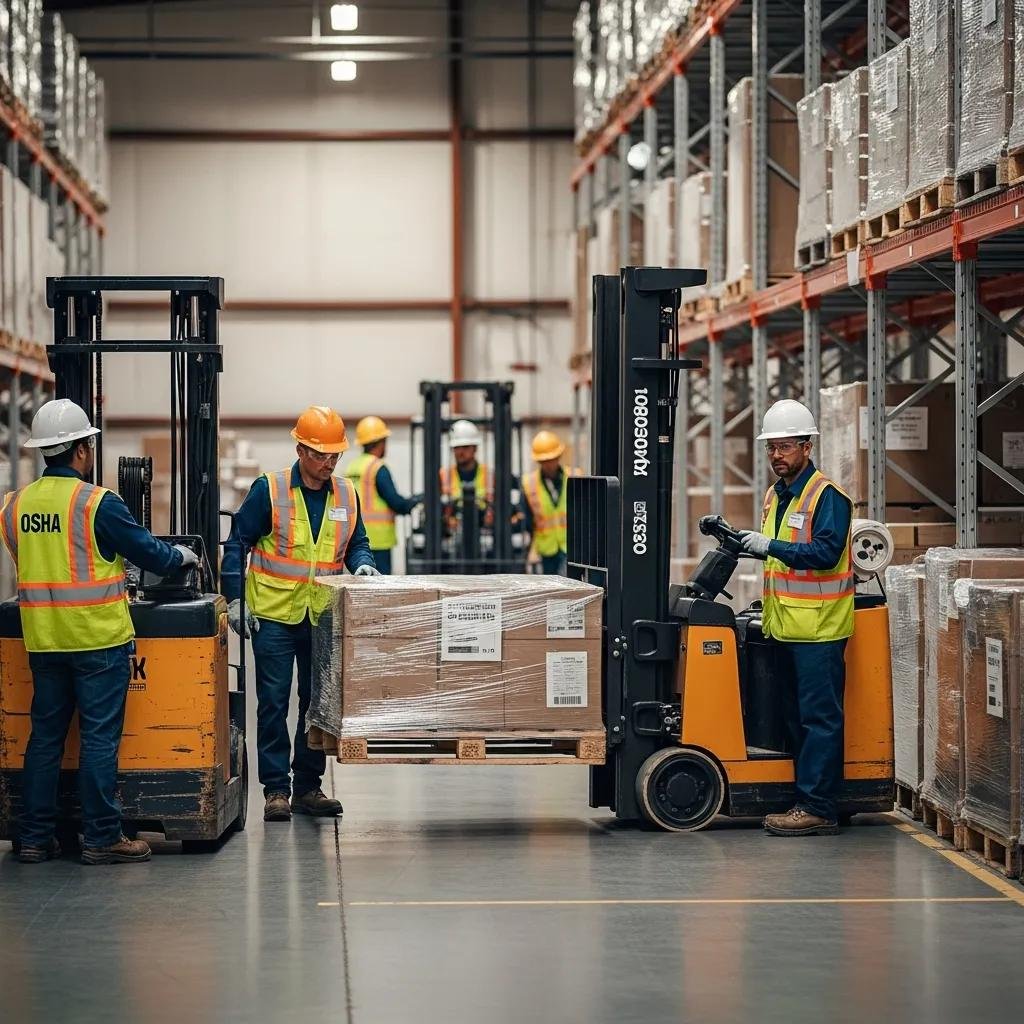
Different storage systems in a warehouse being inspected for safety compliance

Regular inspections keep storage systems safe and compliant; the systems below typically require frequent evaluation:

  1. Racking Systems : These structures must be inspected to ensure they can safely support the loads placed upon them.
  2. Fire Safety Systems : Regular checks are necessary to confirm that fire suppression systems are functional and compliant with safety regulations.
  3. High-Pile Storage Systems : These systems require special attention due to the increased risk of fire and structural failure. For more detail on ensuring warehouse safety and compliance, consider exploring warehouse inspection services .

Focusing on these areas reduces risk.

Ongoing monitoring of technical parameters is vital to preserve the long-term safety and integrity of warehouse racks, especially in high-bay and high-storage environments.

Monitoring Technical Parameters for Warehouse Rack Safety

The main objective of the paper is to develop a theoretical basis and a concept of the monitoring procedure of the technical parameters of warehouse racks, focusing on high-bay warehouses and high storage warehouses. Displacement of rack elements and settlement of racks are also going to be researched. Fatigue and wear of the elements are going to be analysed.

Securing of safety by monitoring of technical parameters in warehouse racks, in high-bay warehouses and high storage warehouses-literature review of the problem, M Kostrzewski, 2017

How Do Inspectors Evaluate Rack Load Capacity and Structural Integrity?

Inspectors follow a systematic process to evaluate rack load capacity and structural integrity, inspecting racking condition and verifying compliance with applicable regulations. Key factors considered include:

  • Condition and Regulatory Compliance : Inspectors check for any signs of wear or damage that could compromise safety.
  • Load Capacity Labeling : Proper labeling is crucial to ensure that loads do not exceed the racking system’s capacity.
  • Documentation Requirements : Inspectors verify that all necessary documentation is in place, including load capacity charts and inspection records.

This preserves safety and operational reliability.

Design and evaluation must also account for external factors such as seismic activity to protect racking integrity.

Seismic Design Rules for Storage Racking Systems

storage racking systems cannot be considered as steel buildings, Eurocode 3 and usual structural elements, connections and structures and to assess design rules for storage racking.

Seismic behavior of steel storage pallet racking systems, CA Castiglioni, 2016

How Does the Storage System Inspection Checklist Ensure Compliance?

An inspection checklist provides a structured way to ensure compliance, helping inspectors spot issues early and confirming that all required components are reviewed.

What Items Are Included in a Comprehensive Rack Inspection Checklist?

A thorough rack inspection checklist normally covers:

  1. Structural Integrity Checks : Inspectors assess the physical condition of the racking systems.
  2. Load Management : Evaluating whether loads are distributed evenly and within safe limits.
  3. Fire Safety Compliance : Ensuring that fire safety systems are operational and meet regulatory standards.

These checks are essential to keep warehouses safe.

How Often Should Warehouse Storage Systems Be Inspected?

Inspection frequency varies by risk and usage; a common schedule includes:

  • Annual Safety Audits : Comprehensive evaluations conducted once a year to assess overall safety compliance.
  • Quarterly Spot Checks : Regular checks every three months to identify any immediate issues.
  • Monthly Walk-Throughs : Informal inspections conducted monthly to ensure ongoing compliance and safety.

This layered schedule helps sustain safety and compliance year-round.

What Are the Key Warehouse Regulatory Compliance Standards to Follow?

Knowing key regulatory standards is vital. Rules such as OSHA regulations and NFPA standards set requirements that reduce risks across warehouse operations.

Which OSHA Guidelines Govern Warehouse Safety and Storage Systems?

OSHA guidelines cover several key areas, including:

  • Forklift Safety : Regulations that ensure safe operation and maintenance of forklifts within the warehouse.
  • Fall Protection Measures : Standards that require safety measures to prevent falls from heights.
  • Fire Safety Guidelines : Regulations that mandate the installation and maintenance of fire safety systems.

Following these guidelines maintains a safer working environment.

How Do Compliance Audits Identify Common Warehouse Inspection Failures?

Compliance audits reveal common failures found in inspections. Frequent issues include:

  1. Inadequate Safety Protocols : Failure to implement proper safety measures can lead to accidents.
  2. Insufficient Documentation : Lack of proper records can hinder compliance efforts.
  3. Blocked Emergency Exits : Ensuring that emergency exits are accessible is critical for safety.

Addressing these failures raises safety and compliance.

How Can Industrial Storage Safety Audits Improve Warehouse Operations?

Industrial storage safety audits improve operations by evaluating safety practices and identifying areas for improvement.

What Actionable Recommendations Do Inspectors Provide After Audits?

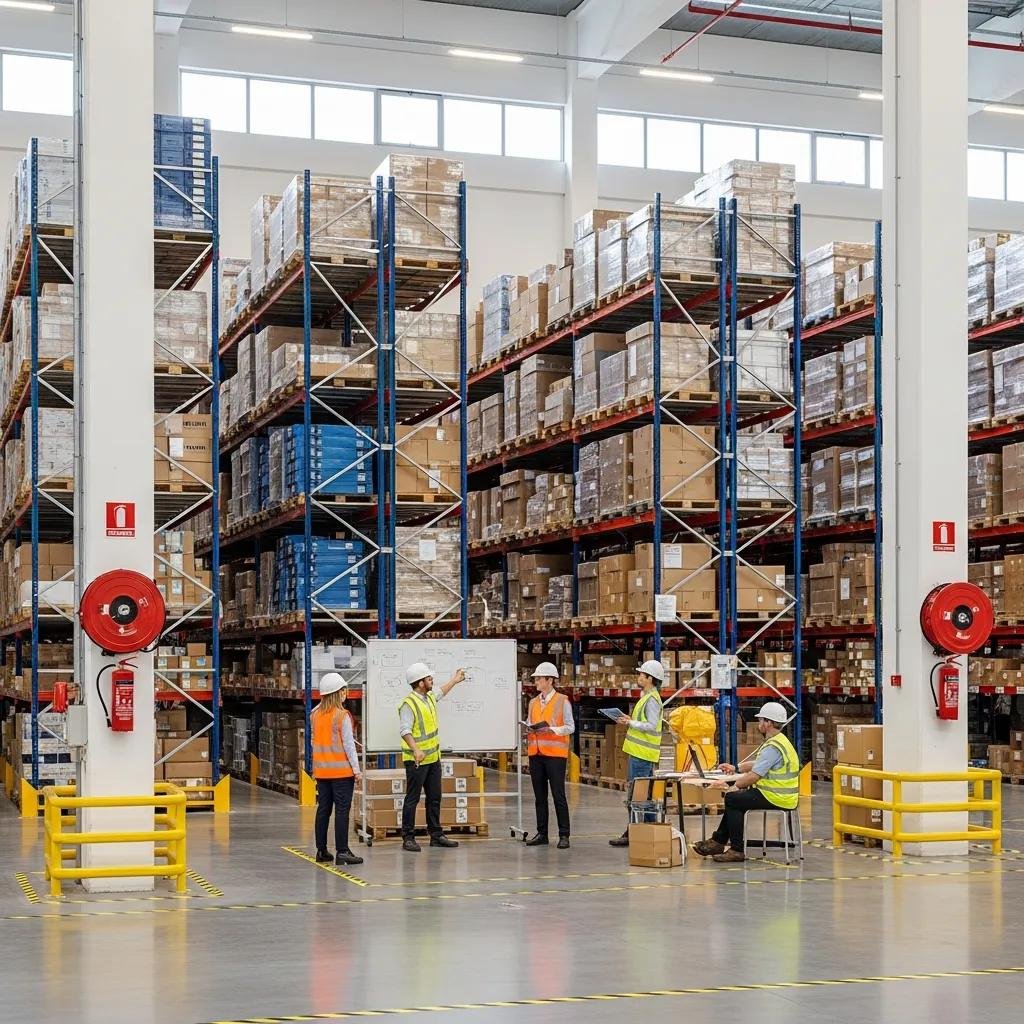
Warehouse inspectors discussing actionable recommendations after a safety audit

Post-audit, inspectors give practical recommendations, including:

  • Improving Safety Protocols : Suggestions for enhancing existing safety measures.
  • Ensuring Compliance : Recommendations for meeting regulatory requirements.
  • Addressing Identified Risks : Strategies for mitigating specific risks identified during the audit.

These actions help build a stronger safety culture within the warehouse.

How Does Quantum Warehouse Solutions Support Warehouse Safety and Compliance?

Quantum Warehouse Solutions offers inspection and compliance services focused on storage system conformity and safety. Their services include:

  • Compliance Audits : Thorough evaluations to ensure adherence to safety regulations.
  • Regular Training : Ongoing training programs for warehouse staff to promote safety awareness.
  • Proactive Risk Monitoring : Continuous monitoring to identify and address potential risks before they escalate.

Using these services helps warehouses strengthen safety, compliance and operational efficiency. To learn how Quantum Warehouse Solutions can assist with your warehouse needs, visit their website.

Frequently Asked Questions

What are the consequences of non-compliance with warehouse safety regulations?

Non-compliance can result in legal penalties, operational disruption, property damage, employee injury and reputational harm. Regular inspections and adherence to standards reduce these risks.

How can technology improve warehouse safety inspections?

Technology—automated systems, drones and inspection software—speeds inspections and provides real-time data. RFID tags track inventory and storage conditions while software generates reports and monitors compliance, improving efficiency and hazard detection.

What training is necessary for warehouse staff regarding safety inspections?

Staff need training on safety protocols, emergency procedures and correct equipment use. Training should cover how to conduct inspections, recognise hazards and report issues, with regular refreshers to stay current.

What role do safety audits play in warehouse management?

Safety audits systematically check practices and regulatory compliance, identify weaknesses, assess measures and recommend improvements. Regular audits let managers address risks proactively and enhance efficiency.

How can warehouses prepare for an unexpected safety inspection?

Keep documentation, inspection records and compliance checklists organised. Run internal audits, train staff on inspection processes and responses, and maintain a strong safety culture to ease surprise inspections.

What are the best practices for maintaining fire safety in warehouses?

Maintain fire safety with regular inspections of suppression systems, clear access to exits and routine drills. Store flammables away from heat sources, use correct storage techniques and keep equipment up to date to meet local codes.

Conclusion

Conformity inspections protect employees and keep operations compliant. Regular checks of storage systems, including racking and fire safety, reduce risk and improve efficiency. Prioritising safety builds a more reliable, compliant workplace. To optimise your warehouse safety practices, explore our inspection services today.